
Planning your Japan trip? Our Omizutori 2026 Guide covers the Otaimatsu torch schedule, Todai-ji viewing tips, and local Nara secrets for this 1,200-year ritual
Your Quick-Start Guide
Have you ever stood in a hushed, ancient courtyard while monks run across a wooden balcony brandishing 20-foot torches that rain embers onto the crowd below? This Omizutori 2026 Guide is your roadmap to experiencing Japan’s oldest, most visceral spiritual event. While most tourists flock to Japan for cherry blossoms, those in the know head to Nara in early March to witness a ritual that has not missed a single year since 752 AD.
Festival Identity Card
-
Theme: Spiritual Purification and the welcoming of Spring.
-
Weather: Brisk and chilly. Expect evening temperatures around 4°C (39°F).
-
One Thing You Can’t Miss: The massive Otaimatsu torches on the night of March 12th.
-
Sensory Experience: The smell of cedar smoke, the rhythmic clatter of wooden sandals (geta) on stone, and the breathtaking sight of “fire rain” against a pitch-black sky.
-
Category: Religious & Cultural Festival
Quick Facts for Your Visit
-
2026 Dates: March 1 – March 14, 2026.
-
Address: Nigatsu-do (Todai-ji Temple), 406-1 Zoshicho, Nara, 630-8211.
-
Price Range: Free (Public viewing area).
-
Official Site: todaiji.or.jp
Dancing with Fire: Why Omizutori is a 2026 Essential
If you’re looking for a “Bucket List” experience that feels genuinely untouched by modern commercialism, this Omizutori 2026 Guide is for you. Omizutori (officially called Shunie) is a series of repentance rituals performed by a select group of monks known as Renghyo-shu. They pray for the world’s peace and a bountiful harvest, but for us spectators, it’s all about the “fire rain.”
I remember my first time standing in the dark at Nigatsu-do. The air was so cold I could see my breath, but the moment those giant pine torches appeared on the balcony, the heat was instantaneous. It’s said that if the sparks fall on you, you’ll have a year of good luck. In 2026, as we seek renewal, there’s something deeply cathartic about watching 1,200 years of tradition burn bright against the Nara night.
Sparks in the Dark: The 2026 Ceremony Schedule
The festival runs for two weeks, but not every night is created equal. Understanding the flow is key to your Omizutori 2026 Guide strategy.
The Nightly Otaimatsu (March 1–11 & 13)
-
Time: 7:00 PM (Lasts about 20 minutes).
-
What happens: Ten monks carry torches across the balcony of Nigatsu-do.
-
The Vibe: Intense but manageable. You can usually find a decent spot if you arrive an hour early.
The “Big One” (March 12)
-
Time: 7:30 PM (Lasts about 45 minutes).
-
What happens: This is the peak. The torches are larger (Kagose-taimatsu), and the ceremony is longer.
-
Warning: This night is incredibly crowded. Security often restricts access once the courtyard is full.
The Final Farewell (March 14)
-
Time: 6:30 PM (Lasts about 10 minutes).
-
What happens: All ten torches are brought out at once in a spectacular, rapid-fire finale.
-
Insider Tip: It’s short, sweet, and usually less crowded than the 12th.
Strategic Scouting: Insider Logistics for 2026
Getting to Todai-ji is easy; getting a good view is the real challenge. Follow these tips to ensure you aren’t just staring at the back of someone’s head.
The Waiting Game
For the March 12th ceremony, people start staking out spots as early as 2:00 PM. If you aren’t a fan of standing for five hours in the cold, aim for the March 3rd or 4th ceremonies. The fire is just as beautiful, and you can walk right up to the front row ten minutes before it starts.
Hidden Viewing Spots & Angles
-
The Staircase Side: Most people crowd the front courtyard. If you can snag a spot near the bottom of the stone staircase on the left side of Nigatsu-do, you get a profile view of the sparks falling—it’s much better for photography.
-
The “Bell Tower” Retreat: If the main area is too claustrophobic, move back toward the Kanzeon-do area. You won’t feel the heat, but you’ll see the silhouettes of the monks against the glow, which is hauntingly beautiful.
A Taste of Ancient Nara: Local Secrets for the Hungry Traveler
You can’t come to Nara and just eat a convenience store sandwich. To truly follow this Omizutori 2026 Guide, you need to eat like a local pilgrim.
The “Lucky” Food: Chagayu
Nara is famous for Chagayu (tea gruel). It’s a simple, soul-warming dish of rice cooked in roasted green tea.
-
Why try it? It’s what the monks have eaten for centuries to stay warm during their ascetic practices.
Street Bites: Yomogi Mochi
Head to Nakatanidou near Kintetsu Nara Station. They are famous for high-speed mochi pounding.
-
The Flavor: Mugwort-flavored rice cake filled with sweet red bean.
-
The Pro Tip: Eat it while it’s warm and stretchy. It’s the perfect hand-warmer as you walk toward the temple.
“Don’t Do What I Did”: Common Mistakes to Avoid
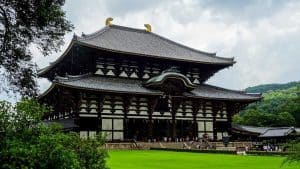
Omizutori Festival: Japan’s Ancient Fire and Water Ritual in Nara
-
Underestimating the Cold: Nara in March is deceptive. The stone floors and mountain air will leach the heat right out of your boots. Wear thermal leggings and bring heat packs (Kairo).
-
Using Flash Photography: It’s strictly forbidden and, honestly, ruins the vibe for everyone. Plus, flash just illuminates the smoke, not the fire.
-
Missing the “Water” in Omizutori: Everyone focuses on the fire, but the “Water Drawing” happens at 2:00 AM on the night of March 12th. If you have the stamina, staying up to see the sacred water being carried to the temple is a surreal, ghostly experience.
Where to Stay: Nara’s Best Pillow Options
| Hotel Name | Category | Carnival Perk | Estimated Price |
| Nara Hotel | Historic Luxury | Built in 1909; feels like stepping back in time. | €350+ |
| Miro Nara | Boutique | Modern, minimalist, and very close to the park. | €180+ |
| Sarusawa-ike Visitor Center | Budget | Clean, central, and has a great traveler lounge. | €40+ |
The 72-Hour Itinerary: The Nara Deep Dive
Day 1: The Giants of Nara
-
Morning: Visit the Great Buddha (Daibutsu) at the main Todai-ji hall.
-
Afternoon: Bow to the deer in Nara Park (but hide your crackers!).
-
Evening: Your first Otaimatsu fire ceremony at Nigatsu-do.
Day 2: Sacred Peaks & Sake
-
Morning: Hike Mt. Wakakusa for a panoramic view of the city.
-
Afternoon: Explore the Kasuga Taisha Shrine and its thousands of lanterns.
-
Evening: Sake tasting in the Naramachi district.
Day 3: The Quiet Side of Nara
-
Morning: Visit Horyu-ji (the world’s oldest wooden buildings) via a short train ride.
-
Afternoon: Walk through the Isuien Garden.
-
Evening: A final, quiet visit to Nigatsu-do after the torches are put out.
Logistics & Survival Essentials
Omizutori Survival Table
| Date | Significance | Crowds | Best Strategy |
| March 1-11 | Daily Rituals | Moderate | Arrive 45 mins early for front row. |
| March 12 | Peak Night | Extreme | Arrive by 3:00 PM; bring snacks/water. |
| March 13 | The Drawing | High | Stay late; the 2 AM ritual is magical. |
| March 14 | The Finale | Low/Moderate | Quick and punchy; great for a final look. |
The “Warm & Ready” Packing Checklist
-
Footwear: Thick wool socks and sturdy boots. Standing on stone kills your toes.
-
Tech: A power bank (cold drains phone batteries fast).
-
Comfort: Hand warmers (Kairo)—buy these at any Japanese 7-Eleven.
-
Etiquette: A small plastic bag to carry your trash out (there are no bins!).
Experience & Ethics: Being a Respectful Guest
Omizutori is a religious service first and a “festival” second.
-
Silence is Golden: During the ceremonies, keep your voice down. The monks are performing deep spiritual work.
-
Eco-Travel: Nara is very walkable. Avoid taxis during the festival as the narrow roads near the temple become gridlocked. Stick to your own two feet!
Pros & Cons of Omizutori
Pros:
-
Authentic, non-commercial atmosphere.
-
Visually stunning and high-energy.
-
Completely free to attend.
Cons:
-
Intense cold and long waiting times.
-
Can be overwhelming for those with claustrophobia on peak nights.
Final Thoughts & FAQ
This Omizutori 2026 Guide is designed to help you navigate one of the most powerful experiences in Japan. There is something primal about the combination of ancient chanting and roaring fire that stays with you long after the embers fade.
FAQ Section
Q: Is Omizutori okay for children?
A: It can be scary and very crowded. I’d recommend the early-March nights rather than the 12th for families.
Q: Can I take photos?
A: Yes, but no flash and no tripods in the crowded areas. Respect the “No Photo” signs inside the temple buildings.
Q: How do I get there from Kyoto?
A: Take the Kintetsu Limited Express. It’s a 35-minute ride. From the station, it’s a beautiful 20-minute walk through the deer park.

Sandra is experienced travel guide expert with a passion for exploration and cultural immersion.