
Planning for Sakura Matsuri 2026? Discover the best blooming dates for Japan and Washington D.C., ticket secrets, and insider tips to experience the cherry blossoms like a local.
Quick Answer: Sakura Matsuri 2026 Snapshot
-
Peak Bloom Forecast: Late March to Early April 2026 (Weather dependent).
-
Top Locations: Tokyo & Kyoto (Japan), Washington D.C. (USA).
-
Main Events: Ueno Park (Tokyo), Tidal Basin (D.C. Japanese Street Festival).
-
Cost: Mostly free to view; $10–$20 for specific festival zones in D.C.
-
Official Resource: National Cherry Blossom Festival (USA) | Japan Meteorological Corp (Forecast)
The Sakura Matsuri Festival Identity Card
-
The Vibe: A delicate, ethereal world of whispering pink petals, the scent of sweet Sakura-mochi, and a collective sense of “Hanami” (the art of viewing flowers).
-
The “One Thing”: Yozakura—viewing the illuminated cherry blossoms at night.
-
2026 Address (D.C.): Pennsylvania Ave NW, between 3rd & 7th St, Washington, DC, 20001, USA.
-
2026 Address (Tokyo): Ueno-koen, Taito City, Tokyo 110-0007, Japan.
The Magic of 2026: Why Sakura Matsuri is a Bucket-List Experience
The Sakura Matsuri Festival is more than just a photo opportunity; it is a profound cultural celebration of the ephemeral nature of life. In 2026, as climate patterns shift, the festivals are emphasizing sustainability and “Slow Hanami”—encouraging visitors to appreciate the blossoms away from the frantic crowds.
The History: Originating in Japan over a millennium ago, the tradition traveled to the U.S. in 1912 as a gift of friendship. Today, it stands as a global symbol of renewal and international peace.
Timing the Bloom: The 2026 Forecast for Japan & D.C.
The “Peak Bloom” lasts only a few days. For 2026, meteorologists predict a slightly earlier bloom due to a mild winter.
-
Washington D.C.: Predicted Peak: March 22 – March 28.
-
Tokyo, Japan: Predicted Peak: March 24 – April 1.
-
Kyoto, Japan: Predicted Peak: March 27 – April 4.
Pro Strategy: Don’t just target “Peak Bloom.” The Sakura Fubuki (Cherry Blossom Blizzard), when petals fall like snow, usually happens 4-6 days after the peak and is arguably more beautiful.
The Great Debate: Japan vs. Washington D.C.
| Feature | Tokyo/Kyoto (Japan) | Washington D.C. (USA) |
| Authenticity | Highest: Deeply rooted in Shinto/Zen traditions. | High: Exceptional Japanese cultural booths. |
| Accessibility | Requires international travel & JR Pass. | Easier for U.S. domestic travelers. |
| The Vibe | Traditional picnics (Hanami) & temples. | Large-scale parades & street festivals. |
| Crowd Level | Extremely High (Ueno/Arashiyama). | High (Tidal Basin). |
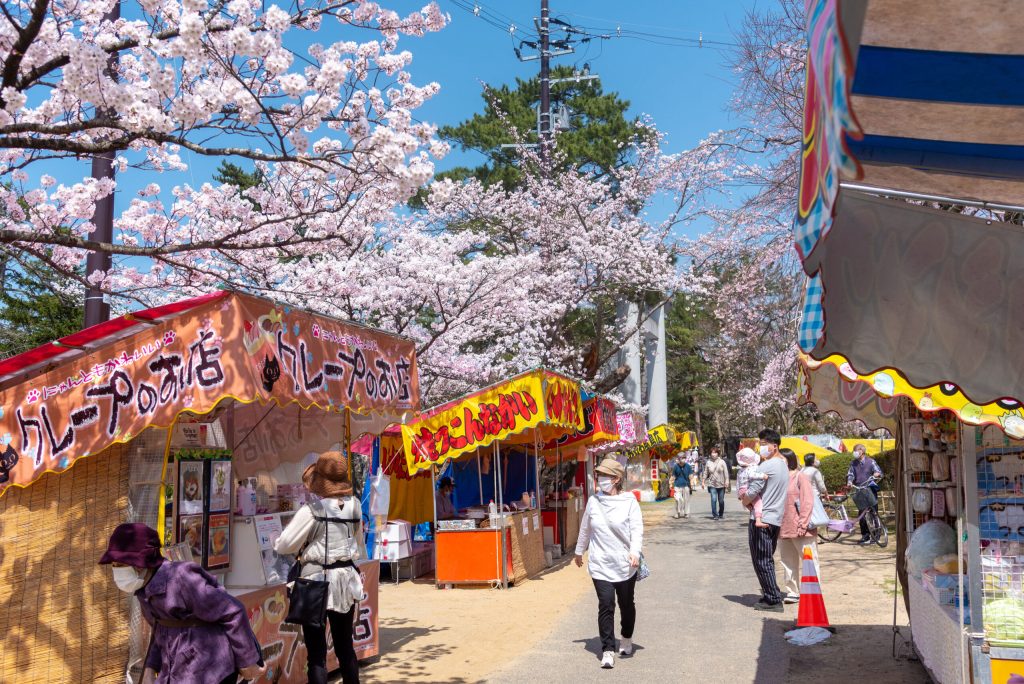
Comparison of cherry blossoms reflecting in the Tidal Basin D.C. vs. traditional pagodas in Kyoto.
Insider Secrets: How to Beat the Crowds & Find Hidden Spots
As a frequent traveler to these festivals, I’ve learned that the main “tourist spots” can be overwhelming. Here is how to experience it like a local:
-
The 6:00 AM Rule: In D.C., arrive at the Tidal Basin by sunrise. Not only is the light perfect for photos, but you’ll have the trees to yourself before the tour buses arrive at 9:00 AM.
-
The “Local” Spot (Japan): Skip Ueno and head to Shinjuku Gyoen (Tokyo). There is an entry fee, which keeps the rowdiest crowds away, and it features multiple varieties of trees that bloom at different times.
-
The “Hidden Gem” (D.C.): Visit Dumbarton Oaks in Georgetown. It’s a stunning private estate with fewer crowds than the National Mall.
-
Common Mistake I Made: Bringing a large stroller or heavy bag to the D.C. Street Festival. The security checkpoints are tight, and the crowds make large items a nightmare. Use a baby carrier and a small backpack.
A Taste of Spring: Essential Sakura Treats
During Sakura Matsuri, the food is just as important as the flowers. Look for these seasonal specialties:
-
Sakura Mochi: A pink rice cake wrapped in a pickled cherry leaf.
-
Hanami Dango: Tri-colored dumplings (Pink, White, Green).
-
Sakura Sake: Often infused with real blossoms for a floral finish.
The 72-Hour Sakura Matsuri Immersion Itinerary
-
Day 1: The Iconic View. Sunrise at the Tidal Basin (D.C.) or Chidorigafuchi (Tokyo). Afternoon at the Japanese Street Festival.
-
Day 2: The Cultural Dive. Visit the Smithsonian Freer Gallery (D.C.) or a Tea Ceremony in a Kyoto temple.
-
Day 3: The Night Glow. Experience Yozakura (Illuminated blossoms) at Nakameguro (Tokyo) or The Wharf (D.C.) followed by a riverside dinner.
Survival Guide: Logistics, Safety, and Sustainability
-
Transportation: In D.C., use Metrorail (Smithsonian Station). In Japan, use the Suica/Pasmo card. Parking is impossible during peak bloom.
-
Sustainability: Carry a small bag for your trash. In Japan, “Leave No Trace” is strictly followed. Do NOT touch the branches or pick the blossoms; it is considered disrespectful and can damage the trees.
-
Safety: Stay hydrated and be aware of your belongings in crowded festival zones.
Frequently Asked Questions (FAQ)
Q: Is the Sakura Matsuri Festival free?
A: In D.C., walking the Tidal Basin is free, but the Japanese Street Festival requires a ticket ($10-$15). In Japan, most parks are free, but some gardens (like Shinjuku Gyoen) have a small fee.
Q: What happens if I miss the peak bloom?
A: Don’t worry! Late-blooming varieties like “Yaezakura” (Double-petal) usually bloom 1-2 weeks after the main crop.
Q: Can I have a picnic under the trees?
A: In Japan, “Hanami” picnics are a tradition. In D.C., picnicking is allowed but setting up large tables or stakes is prohibited.

Sandra is experienced travel guide expert with a passion for exploration and cultural immersion.