
Mevlana festival 2026: see the whirling dervishes in KonyaQuick answer box: your 2026 Mevlana festival essential guide
Imagine stepping into a realm where time seems to fold, where ancient whispers echo through every stone, and where spiritual transcendence manifests in a dance of pure grace. This is Konya, Türkiye, during the annual Mevlana Festival. More than just an event, it’s a profound journey into the heart of Sufi mysticism, culminating in the mesmerising whirl of the dervishes, a spectacle of devotion that has captivated souls for centuries. In December 2026, Konya will once again become the spiritual epicentre, drawing pilgrims and curious travellers alike to honour the legacy of Jalal ad-Din Muhammad Rumi, the 13th-century Persian poet, Islamic scholar, and theologian, whose teachings of universal love and tolerance continue to resonate globally. This guide ensures your experience is not merely a visit, but an immersive pilgrimage into a timeless tradition.  Why this festival matters in 2026The Mevlana Festival, locally known as Şeb-i Arus (meaning “wedding night” or “night of union”), commemorates the death of Rumi, which he considered a joyous reunion with the Divine, rather than an occasion for mourning. This annual celebration holds immense historical and spiritual significance, marking Rumi’s legacy of peace, tolerance, and divine love. Attending in 2026 offers a unique opportunity to witness living history and experience a spiritual tradition largely unchanged for over 700 years, a truly bucket-list experience for any discerning traveler. It’s not just a performance; it’s a sacred ritual, recognized by UNESCO as a Masterpiece of the Oral and Intangible Heritage of Humanity, offering a window into the depth of Sufi philosophy.  Festival quick facts
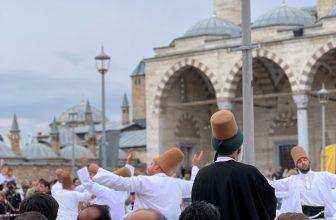
The 2026 festival experienceThe Mevlana Festival transforms Konya into a hub of cultural and spiritual activity. During the day, the Mevlana Museum, housing Rumi’s tomb, becomes a focal point for pilgrims and visitors. You can explore the dervish lodge, marvel at sacred relics, and soak in the tranquil atmosphere of this revered site. Throughout the city, cultural events, exhibitions, and talks on Rumi’s philosophy are held. These daytime activities offer a deeper understanding of Sufism and the history of the Mevlevi Order, preparing you for the evening’s main event. As night falls, the Mevlana Cultural Center comes alive for the Sema ceremony. This is the heart of the festival. Witnessing the dervishes, clad in their pristine white skirts, whirl to the hypnotic rhythm of traditional music is an experience of profound beauty. Each element of the Sema is symbolic, from their black cloaks representing the tomb to the white robes signifying the shroud, and their conical hats representing the tombstone. The ceremonial bowing, turning, and reaching to the heavens embody a spiritual journey, a communion with the divine. The final night, December 17th, holds particular significance, recreating the atmosphere of Rumi’s passing. How to experience it like a localTo truly immerse yourself, venture beyond the main venues. Seek out smaller, local dervish lodges (tekkes) that may host more intimate Sema rituals or devotional music sessions; these offer a raw, unpolished glimpse into Sufi practice. Don’t miss exploring the historic bazaars of Konya, where you can sample local street food like Etli Ekmek (a long, thin Turkish pizza) or enjoy a traditional Turkish tea. Engage with local vendors and residents; their insights often reveal hidden gems and stories. Early mornings are best for visiting the Mevlana Museum to avoid crowds, allowing for a more reflective experience. Consider attending a Turkish classical music concert, which often features instruments integral to Sema, enhancing your understanding of the ceremony’s musical backdrop. 72-hour festival itinerary
 Where to stay during the festivalFinding suitable accommodation during the Mevlana Festival is crucial, as Konya becomes quite busy. Booking well in advance is highly recommended. Here are a few options catering to different budgets and preferences:
Common festival mistakes (from experience)From my years of attending such significant cultural events, I’ve learned a few things the hard way. One common mistake is not booking tickets for the Sema ceremonies in advance. While some are free, the main ones, especially on the final day, sell out quickly or have limited capacity. Another error is underestimating Konya’s winter weather; it gets genuinely cold, and I’ve seen many unprepared tourists shivering. Pack layers, a good coat, and waterproof shoes. Finally, don’t just see the Sema; engage with the festival beyond the main spectacle. Attend the talks, visit the surrounding museums, and explore the local markets. The true depth of Rumi’s legacy isn’t just in the dance, but in the entire cultural fabric of Konya during this period. Budget breakdownPlanning your finances is key to a stress-free Mevlana Festival experience. Here’s a high-tier budget breakdown for a 3-day trip, excluding international flights, focusing on comfort and immersive experiences.
Etiquette, sustainability & respectAttending the Mevlana Festival requires a keen awareness of cultural etiquette. Dress modestly, especially when visiting religious sites like the Mevlana Museum. Women should carry a headscarf to cover their heads inside the museum. During Sema ceremonies, maintain silence and avoid photography or recording unless explicitly permitted, as it’s a sacred ritual, not a show. For sustainability, strive to minimize your environmental footprint. Opt for public transport or walking when possible. Support local businesses that champion ethical practices. Respect the sanctity of the festival by refraining from littering and being mindful of your waste. Remember, this is a spiritual commemoration, and reverence is paramount. Engage with respect and an open heart, and you will find your experience all the more enriching.
FAQ sectionWhen exactly is the Mevlana festival in 2026?The official Mevlana Festival (Şeb-i Arus) runs from December 7th to December 17th, 2026. The most significant Sema ceremonies and commemorative events typically take place during the latter half of the festival, from December 10th to the 17th. Do I need to buy tickets for the whirling dervishes ceremony?Some public Sema ceremonies are free, particularly those held at the Mevlana Cultural Center on certain evenings. However, special gala events or ceremonies on the final day (December 17th) often require purchased tickets, which can sell out quickly. It’s advisable to check the official cultural calendar or the Mevlana Museum website closer to the date for precise ticket information and availability. (Refer to [OFFICIAL_MEVLANA_SITE] for confirmed details.) What should I wear when visiting the Mevlana museum and attending ceremonies?Modest dress is highly recommended. For men, long trousers and shirts are appropriate. For women, covered shoulders and knees are essential, and it is respectful to wear a headscarf when entering the Mevlana Museum or other mosques and religious sites. Comfortable, warm shoes are also important due to the winter weather and walking involved. Is photography allowed during the Sema ritual?Generally, photography and videography are restricted or entirely prohibited during the Sema ceremony to maintain its sanctity and avoid disturbing the dervishes and audience. Always look for explicit signage or ask an usher before attempting to take photos. Some venues might have designated times or areas for non-flash photography, but respect for the ritual should always come first. Besides the dervishes, what else can I do in Konya during the festival?Konya offers a rich historical and cultural experience beyond the Sema. You can visit the Mevlana Museum, explore the Sems-i Tebrizi Mosque and Tomb, wander through the historic Alaeddin Hill and Mosque, and discover ancient madrasahs like Karatay and Ince Minare. Don’t miss exploring the local bazaars, sampling traditional Anatolian cuisine, and attending various cultural exhibitions and talks on Rumi’s philosophy held throughout the city. The Mevlana Festival in 2026 is more than an event; it’s a profound spiritual pilgrimage and an unparalleled cultural immersion. By embracing its history, respecting its traditions, and immersing yourself in the local experience, you will discover the enduring beauty of Rumi’s teachings and the hypnotic grace of the whirling dervishes. This isn’t just a trip; it’s an invitation to connect with a timeless message of love and unity. Will you answer the call to witness this extraordinary spectacle? |

Sandra is experienced travel guide expert with a passion for exploration and cultural immersion.