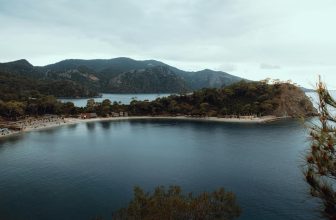

Planning your next escape to the Turquoise Coast? Marmaris Travel in Turkey for 2026 promises an unforgettable blend of vibrant history, breathtaking natural beauty, and a lively modern atmosphere. Nestled where the Aegean Sea meets the Mediterranean, this captivating destination offers a dynamic experience for every traveler, from tranquil beach relaxation to exhilarating adventures and rich cultural immersion.

TL;DR / Quick answer box: Marmaris 2026
- Best time to visit: May-June or September-October for pleasant weather and fewer crowds.
- Top 2026 highlight: Exploring the rejuvenated Old Town and its charming bazaars, followed by a sunset cruise along the coast.
Identity card: Marmaris
- City: Marmaris, Turkey
- Weather: Hot, dry summers (30-35°C), mild, wet winters (10-15°C). Spring and autumn are warm and sunny.
- Gear: Lightweight clothing, sturdy sandals, swimwear, sun protection (hat, high-SPF sunscreen), a light scarf for evenings or religious sites.
- Sensory vibe: The salty kiss of the Aegean breeze, the distant call to prayer blending with lively street music, the aroma of grilled fish and jasmine, and the dazzling sparkle of sun on turquoise waters.
2026 Logistics & essentials
Navigating international travel requires preparation, and Marmaris is no exception. For 2026, understanding entry requirements, local currency, and safety measures ensures a smooth journey.
Visas and entry requirements
As of 2026, many nationalities, including those from the UK, EU, and USA, can enter Turkey without a visa for short tourist stays (typically up to 90 days within a 180-day period). However, always verify the latest requirements for your specific nationality via the official Turkish Ministry of Foreign Affairs website before travel. Travelers from the EU/Schengen area should be aware of the ETIAS (European Travel Information and Authorisation System) expected to be operational for entry into the Schengen zone, but this does not directly affect entry into Turkey, which is not an EU member state. Keep a valid passport with at least six months’ validity beyond your intended departure date.
Currency and payment methods
The official currency in Turkey is the Turkish Lira (TRY). While major credit cards (Visa, MasterCard) are widely accepted in hotels, larger restaurants, and shops, it’s essential to carry some cash for smaller purchases, local markets, and tips. ATMs are readily available throughout Marmaris. Exchange offices are common, but always compare rates. Inform your bank of your travel plans to avoid card issues.
Safety and daily budget
Marmaris is generally a safe destination for tourists. Common sense precautions apply: safeguard your valuables, be aware of your surroundings, and avoid walking alone in poorly lit areas at night. The emergency number in Turkey is 112 for all services. Below is an estimated daily budget for 2026, which can vary greatly depending on your travel style:
| Category | Budget Traveler (per person) | Mid-Range Traveler (per person) | Luxury Traveler (per person) |
|---|---|---|---|
| Accommodation | €25-€40 (hostel/guesthouse) | €50-€90 (3-4 star hotel) | €100+ (5-star hotel/resort) |
| Food (3 meals) | €15-€25 (street food/local eateries) | €30-€50 (mid-range restaurants) | €60+ (fine dining) |
| Activities/Sightseeing | €10-€20 (beach/walking tours) | €25-€50 (boat trips/entry fees) | €60+ (private tours/excursions) |
| Local Transport | €5-€10 (dolmuş/bus) | €10-€20 (taxis/some dolmuş) | €20+ (private transfers) |
| Miscellaneous | €5-€10 | €10-€20 | €20+ |
| Daily Total (approx.) | €60-€105 | €125-€230 | €260+ |
Destinations & landmarks
Marmaris offers a treasure trove of sights, from ancient fortresses to bustling markets and serene natural escapes. Here are five must-see places that encapsulate the spirit of the region.
Marmaris castle and archaeological museum
Dominating the harbor, Marmaris Castle stands as a testament to the city’s rich history, with roots tracing back to the Hellenistic era. Explore its well-preserved walls, wander through its courtyards, and discover the Archaeological Museum housed within, showcasing artifacts from the local area. The panoramic views of the marina and the town from its ramparts are truly spectacular.
Marmaris marina and bar street
The heart of Marmaris’s vibrant nightlife and yachting scene. Stroll along the marina, admiring luxurious yachts and enjoying waterfront dining. As evening descends, Bar Street ignites with music, lights, and energy, offering countless venues for dancing and entertainment.
Icmeler beach
Just a short dolmuş ride from Marmaris, Icmeler Beach offers a more tranquil alternative to the main city beach. Its golden sands, crystal-clear waters, and lush green surroundings create a perfect setting for relaxation. Enjoy water sports, sunbathe, or dine at one of the charming beachfront restaurants.
Dalyan river cruise to turtle beach (Iztuzu)
Embark on a full-day excursion to Dalyan, a journey that takes you through reed-lined waterways. Witness the impressive Lycian rock tombs carved high into cliffs, take a therapeutic mud bath, and finally, relax on Iztuzu Beach, a protected nesting ground for loggerhead sea turtles. The entire experience is steeped in natural beauty and ancient history.
Cleopatra island (Sedir island)
A short boat trip away, Cleopatra Island is famed for its unique golden sands, said to have been brought by Mark Antony for Cleopatra. The island also features ancient ruins, including an amphitheater and Roman baths. The turquoise waters surrounding the island are incredibly inviting for swimming and snorkeling.
Seasonal & cultural calendar (2026)
Marmaris pulses with different energies throughout the year, with specific events and ideal weather patterns shaping your experience.
Best months to visit
- Spring (April-May): Pleasant temperatures (18-25°C), blooming landscapes, and fewer crowds. Ideal for hiking, sightseeing, and enjoying the outdoors before the intense summer heat.
- Summer (June-August): Hot and sunny (30-35°C+). This is peak season, perfect for beach holidays, water sports, and vibrant nightlife. Be prepared for crowds and higher prices.
- Autumn (September-October): Warm and comfortable (20-28°C), with the sea still warm enough for swimming. Similar to spring, it offers a great balance of good weather and fewer tourists.
- Winter (November-March): Mild and wetter (10-15°C). Many tourist businesses close, but it’s an excellent time for cultural exploration without the crowds, enjoying local life, and perhaps hiking.
Major events 2026
While specific dates for 2026 will be confirmed closer to the time, Marmaris typically hosts several annual events that add to its cultural vibrancy:
- Marmaris international yacht festival (spring): A grand celebration of sailing, featuring regattas, yacht displays, and related festivities.
- Marmaris tourism and culture festival (summer): Showcases local traditions, music, dance, and culinary delights.
- Turkish public holidays: Be mindful of national holidays like Republic Day (October 29) and religious holidays (Eid al-Fitr, Eid al-Adha), which may affect business hours and transport.
Local culture & dining
Immersing yourself in Turkish culture in Marmaris is a sensory delight, from its flavorful cuisine to its warm hospitality.
Dishes to savor
Turkish cuisine is a feast for the senses. Start with a traditional Turkish breakfast (kahvaltı), a spread of cheeses, olives, fresh bread, jams, eggs, and strong tea. For lunch or dinner, indulge in various kebabs (Adana, Urfa, Iskender), fresh seafood caught daily, or a traditional Turkish pizza (pide). Don’t miss out on mezes, a selection of small, flavorful dishes perfect for sharing. Finish your meal with a sweet treat like baklava or Turkish delight (lokum), accompanied by a strong Turkish coffee or a refreshing glass of çay (tea).
Etiquette and customs
Turkish people are known for their hospitality. A simple “Merhaba” (hello) and “Teşekkür ederim” (thank you) go a long way. When visiting mosques, women should cover their heads, and everyone should remove their shoes. Bargaining is expected in bazaars, but less so in fixed-price shops or restaurants. Politeness and respect for elders are highly valued.
Sounds and smells of Marmaris
The air in Marmaris carries a symphony of sounds: the gentle lapping of waves against the shore, the distant call to prayer from minarets, the lively chatter of street vendors, and the energetic beats from Bar Street at night. Intertwined with these sounds are the intoxicating aromas of grilling meats, sweet pastries, exotic spices, and the fresh scent of pine from the surrounding hills. Evenings often bring the subtle fragrance of jasmine blooming in gardens.
Survival & insider tips
Navigate Marmaris like a seasoned traveler with these essential tips, avoiding common pitfalls and discovering authentic experiences.
Avoiding scams
Be wary of overly friendly strangers offering unsolicited tours or assistance, particularly in crowded tourist areas. Always agree on taxi fares before starting your journey, or insist on the meter. Check your bill carefully in restaurants, especially those in tourist hotspots. When shopping for carpets or jewelry, research reputable dealers and don’t feel pressured into making a purchase.
Neighborhoods to explore
- Old town & bazaar: A maze of narrow streets, perfect for getting lost among artisan shops, traditional cafes, and historical buildings. The perfect place to haggle for souvenirs.
- Siteler: A more modern, upscale area with resorts, sophisticated restaurants, and a well-maintained promenade leading to Icmeler.
- Armutalan: Slightly further inland, offering a glimpse into local life away from the main tourist bustle, with more authentic eateries and residential areas.
Common mistakes to avoid
- Not bargaining: In the bazaar, not bargaining means you’ll almost certainly overpay. Always start lower than the asking price.
- Underestimating the sun: The Mediterranean sun is potent. Always wear sunscreen, a hat, and stay hydrated, especially during peak summer months.
- Only sticking to tourist traps: Venture beyond Bar Street and the main promenade. Seek out local tea gardens and eateries for a more authentic taste of Turkey.
- Not carrying cash: While cards are accepted, many smaller vendors, dolmuş drivers, and market stalls are cash-only.

Budget and costs analysis
Understanding the financial landscape of Marmaris is key to enjoying your trip without unexpected expenses. While Turkey generally offers good value, careful planning can make your budget stretch further.
Accommodation costs
Marmaris has a wide range of accommodation. Budget-friendly guesthouses can start from €25-€40 per night. Mid-range 3-4 star hotels typically cost €50-€90, offering amenities like pools and breakfast. Luxury resorts can exceed €100-€200 per night, especially during high season. Booking in advance, particularly for peak summer, is advisable to secure better rates.
Food and drink expenses
Eating locally can be very affordable. A delicious street food meal like a dürüm or a simit can be just a few euros. A meal at a local “lokanta” (eatery) might cost €8-€15. Waterfront restaurants and those in the Old Town cater to tourists, with mains ranging from €15-€30. Alcoholic drinks, especially imported ones, can be pricier. Local beer is reasonably priced, but cocktails in tourist bars can be €10-€15.
Activity and excursion costs
Many activities offer excellent value. A full-day boat trip, often including lunch, can range from €20-€40. Entry to Marmaris Castle is usually a few euros. Scuba diving, jeep safaris, and Turkish bath experiences (hamam) might cost €30-€60. Always compare prices from different tour operators at the marina or through your hotel, and don’t hesitate to negotiate slightly.
Hidden gems
Beyond the well-trodden paths, Marmaris reveals delightful secrets for those willing to explore a little deeper.
The village of Bayir
Tucked away in the mountains, Bayir is a traditional Turkish village renowned for its ancient plane tree in the village square. Locals believe walking around it three times brings good health. You can enjoy traditional village breakfast or honey, a local specialty, tasting the authentic rhythms of rural life.
Turgut waterfall
A tranquil escape from the bustling town, Turgut Waterfall offers a refreshing experience. While not a dramatic cascade, the lush surroundings and cool waters provide a perfect spot for a leisurely stroll or a picnic. There are small cafes nearby serving local fare.
Amos ancient city
Perched on a hill overlooking the beautiful Kumlubük Bay, the ruins of ancient Amos offer a glimpse into the region’s past without the crowds of more famous sites. You can explore remnants of a theater, temple, and defensive walls, all while soaking in spectacular panoramic views of the Aegean Sea. It’s an ideal spot for history buffs and those seeking solitude.
Dos and don’ts: 5 tips for dealing with locals
- Do be polite: A warm smile and basic Turkish phrases like “Merhaba” (hello) and “Teşekkür ederim” (thank you) are always appreciated.
- Do respect customs: When visiting mosques, dress modestly, cover your head (women), and remove your shoes.
- Do try to bargain: In markets and smaller shops, it’s customary to haggle over prices. Do so respectfully and with a smile.
- Don’t be overly affectionate in public: Public displays of affection are generally frowned upon in conservative areas.
- Don’t refuse an offer of tea: If a shopkeeper or local offers you a glass of Turkish tea, it’s a gesture of hospitality. Accepting it, even if you just sip, shows respect.
Essential tools
- Universal travel adapter: Turkey uses Type F sockets (two-pin, round).
- Portable power bank: Keep your devices charged, especially for day trips.
- Offline maps: Download Google Maps or an equivalent for offline navigation.
- Basic first-aid kit: For minor cuts, blisters, and upset stomachs.
- Reusable water bottle: Stay hydrated and reduce plastic waste.
Travel budget analysis: peak vs. shoulder season
Your travel dates significantly impact your overall budget for a trip to Marmaris.
| Category | Peak Season (June-August) | Shoulder Season (May, Sept-Oct) |
|---|---|---|
| Accommodation | Highest prices, limited availability, often require booking months in advance. Expect 20-50% higher rates. | Moderate prices, better availability, good deals possible. Rates typically 10-25% lower than peak. |
| Flights | Most expensive, especially direct routes. Book well in advance for any savings. | Cheaper fares, more flight options, greater flexibility. Significant savings compared to peak. |
| Activities/Excursions | Standard pricing, but popular tours may sell out quickly. Some may increase prices slightly. | Standard pricing, more flexibility in booking, potential for group discounts due to lower demand. |
| Food & Drink | Prices remain relatively consistent, though some tourist-centric venues might inflate slightly. | Generally stable, with local eateries offering good value. |
| Overall Experience | Vibrant, bustling, energetic atmosphere. Expect crowds at popular attractions and beaches. | Pleasant weather, fewer crowds, more relaxed pace. Ideal for exploring and cultural immersion. |
Frequently asked questions (FAQ)
What are the best outdoor activities in Marmaris?
Marmaris offers fantastic outdoor activities, including boat trips to nearby islands and bays, diving and snorkeling, jeep safaris through the Taurus Mountains, rafting on the Dalaman River, and paragliding for breathtaking views over the coast. Hiking in the surrounding pine forests is also popular in spring and autumn.
Is Marmaris suitable for families with children?
Absolutely. Marmaris is very family-friendly, offering numerous resorts with kids’ clubs and pools. Activities like boat trips, visits to Aqua Dream Water Park, and beach days at Icmeler are perfect for children. Many restaurants also cater to younger palates.
What is the local transport like in Marmaris?
The primary local transport method is the “dolmuş” (shared minibus), which runs frequently along main routes, including to Icmeler. Taxis are also readily available, but it’s best to agree on a price beforehand or ensure the meter is used. Renting a scooter or car is an option for exploring further afield, but be prepared for lively traffic conditions.
Can I drink tap water in Marmaris?
While tap water in Marmaris is generally considered safe for brushing teeth, it’s recommended to stick to bottled water for drinking to avoid any potential stomach upsets. Bottled water is widely available and inexpensive.
What kind of souvenirs should I buy in Marmaris?
Popular souvenirs include Turkish delight (lokum), authentic Turkish rugs and carpets, leather goods, intricate ceramic pottery, evil eye charms (Nazar Boncuğu), spices, and local honey. Don’t forget to practice your bargaining skills in the Grand Bazaar for the best deals.
With its vibrant tapestry of history, natural beauty, and modern allure, Marmaris truly offers a complete Turkish experience. Are you ready to discover the magic and make lasting memories on the Turquoise Coast in 2026?