
Welcome to San Sebastian, a culinary paradise nestled on Spain’s stunning Basque coast. This guide for 2026 is your definitive resource to experiencing the unparalleled delights of San Sebastian Food, from its world-renowned Michelin-starred restaurants to the buzzing pintxo bars in the heart of its historic old town. Prepare for an immersive journey where every bite tells a story, and the vibrant culture of Euskadi comes alive through its flavors, sounds, and breathtaking scenery.

TL;DR / Quick Answer Box
Best time to visit: Late spring (May-June) or early autumn (September-October) for ideal weather, fewer crowds, and peak culinary experiences.
Top 2026 highlight: Embark on an extensive pintxo crawl through the Old Town, savoring miniature culinary masterpieces unique to San Sebastian.
Identity Card: San Sebastian
- City: Donostia-San Sebastián, Basque Country, Spain
- Weather: Oceanic climate with mild summers (20-25°C) and temperate winters (8-12°C). Expect occasional rain year-round.
- Gear: Comfortable walking shoes are essential for exploring. Pack layers for fluctuating temperatures and a light rain jacket.
- Sensory vibe: The aroma of grilled seafood and simmering stews mingles with the salty sea air. The joyful clatter of pintxo bars, the melodic Basque language, and the vibrant blues and greens of the Bay of La Concha create an unforgettable atmosphere.
2026 logistics & essentials
Planning your 2026 trip to San Sebastian requires attention to detail, especially regarding entry, currency, and daily budgeting. Spain, as part of the Schengen Area, is adopting new digital border systems that will affect many international travelers.
Visa and entry requirements (ETIAS/EES)
For non-EU citizens, 2026 marks the full implementation of the European Travel Information and Authorisation System (ETIAS) and the Entry/Exit System (EES). ETIAS is not a visa but a pre-travel authorization required for visa-exempt visitors from over 60 countries. You will need to apply online, usually for a fee, before your trip.
The EES will register the entry and exit of non-EU citizens, replacing manual stamping of passports. Ensure your passport is valid for at least three months beyond your intended departure date from the Schengen Area and was issued within the last 10 years. Always check the official ETIAS website closer to your travel date for the most up-to-date requirements.
Currency and payment methods
The official currency in San Sebastian, and throughout Spain, is the Euro (€). Credit and debit cards (Visa, MasterCard) are widely accepted in restaurants, shops, and hotels. However, it’s wise to carry a small amount of cash for smaller purchases, like some pintxo bars or local markets, and for tipping. ATMs are readily available throughout the city.
Safety
San Sebastian is a very safe city, with low crime rates. However, like any popular tourist destination, petty crime such as pickpocketing can occur, especially in crowded areas like the Old Town or on public transport. Always be mindful of your belongings, especially your wallet and phone. Emergency services can be reached by dialing 112.
Daily budget table (estimate)
Your daily expenses in San Sebastian can vary widely based on your travel style. This table provides an estimated breakdown for 2026:
| Category | Budget Traveler (€) | Mid-Range Traveler (€) | Luxury Traveler (€) |
|---|---|---|---|
| Accommodation | 50-80 | 100-180 | 250+ |
| Food & Drink | 30-50 | 60-100 | 120+ |
| Transportation | 5-15 | 10-20 | 20-40 (taxis) |
| Activities | 10-20 | 25-50 | 70+ |
| Total Daily Estimate | 95-165 | 195-350 | 460+ |
Note: These are estimates and can fluctuate based on seasonality, specific choices, and economic conditions. Prices for pintxos range from €2.50 to €5 each.
Destinations & landmarks
San Sebastian is a city of captivating beauty, where urban sophistication meets natural splendor. While its food scene is a primary draw, these five landmarks offer a glimpse into its charm and history.
Parte Vieja (old town)
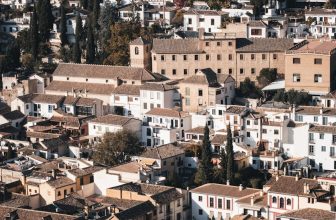
The labyrinthine streets of Parte Vieja are the beating heart of San Sebastian’s culinary scene. This charming district is packed with hundreds of pintxo bars, each offering unique gastronomic delights. Explore its narrow alleys, stumble upon historic churches, and soak in the vibrant atmosphere that truly defines the city.
La concha beach (kontxa hondartza)
Consistently ranked among Europe’s best city beaches, La Concha is a crescent of golden sand hugged by a picturesque bay. It’s perfect for a leisurely stroll, a refreshing dip, or simply admiring the iconic views of Santa Clara Island and Monte Igueldo. The elegant promenade is ideal for an evening walk.
Monte igueldo
For breathtaking panoramic views of San Sebastian and La Concha Bay, take the charming vintage funicular up Monte Igueldo. At the summit, you’ll find an old-fashioned amusement park and several viewpoints. It’s an unforgettable vantage point, especially at sunset, offering a perfect photo opportunity.
Mercado de la bretxa
Immerse yourself in the local culinary culture at Mercado de la Bretxa. This vibrant market offers a feast for the senses, with stalls brimming with fresh seafood, local produce, cheeses, and charcuterie. It’s an excellent place to observe daily life, find ingredients for a picnic, or sample regional specialties.
San sebastian cathedral (good shepherd cathedral)
Located in the city center, the Good Shepherd Cathedral of San Sebastian is a stunning example of Neo-Gothic architecture. Its towering spires and intricate details make it a prominent landmark. Step inside to admire its impressive stained glass windows and peaceful interior, offering a moment of tranquility amidst your explorations.
Seasonal & cultural calendar (2026)
San Sebastian offers a vibrant calendar of events throughout the year, with each season bringing its unique charm. Planning your visit around specific festivals can enrich your experience, while understanding the weather patterns helps with packing.
Best months to visit
Late spring (May-June): Pleasant temperatures, blooming flowers, and fewer crowds than summer. Ideal for exploring and enjoying outdoor dining without the intense heat. Many culinary events begin to pick up.
Summer (July-August): Warmest months, perfect for beach activities and bustling nightlife. This is peak tourist season, meaning higher prices and larger crowds. Major festivals occur during this period.
Early autumn (September-October): Still mild temperatures, golden light, and often fewer tourists after the summer rush. A fantastic time for foodies, as the harvest season brings fresh produce, and many cultural events continue.
Winter (November-April): Cooler temperatures and more rain, but the city retains its charm. Enjoy cozy pintxo bars, often with roaring fires, and experience a more local atmosphere. Prices for accommodation are generally lower.
Major annual events (2026)
While specific 2026 dates are confirmed closer to the year, these are San Sebastian’s most anticipated annual events:
- Jazzaldia (Donostia Jazz Festival) (July): One of Europe’s oldest and most prestigious jazz festivals, attracting world-class musicians. Concerts take place in various venues across the city, including free stages on the beach.
- Semana Grande (August): The city’s main summer festival, a week of celebrations featuring live music, traditional Basque sports, parades, and spectacular fireworks displays over the bay. It’s a lively and boisterous experience.
- San Sebastian International Film Festival (September): A prestigious “A” category film festival, drawing international stars and cinephiles. It’s a fantastic time to see new films and experience the city’s glamour.
- Tamborrada (January 20): San Sebastian’s biggest festival, where the entire city celebrates its patron saint with a 24-hour drumming parade. This noisy, joyful event sees adults and children march in traditional uniforms.
Local culture & dining
San Sebastian’s soul is inextricably linked to its food, a culture so rich it’s often considered the culinary capital of the world. Beyond eating, understanding local customs enhances your experience.
A sensory feast: sights, sounds & smells
The city awakens with the rich aroma of freshly baked bread from local bakeries and the salty tang of the Cantabrian Sea. In the Old Town, the air buzzes with conversations, the clinking of glasses, and the sizzle of culinary creations. Later, the evening brings the enticing smell of grilled octopus (pulpo a la gallega) and sizzling chorizo from bustling pintxo bars.
The visual landscape shifts from the elegant Belle Époque architecture along La Concha to the rustic charm of the fishing port and the vibrant displays at local markets. Evenings are illuminated by the soft glow from restaurant windows, casting a warm light on the cobblestone streets.
Dishes you must try
- Pintxos: These aren’t just tapas; they’re miniature culinary works of art. From simple skewers of anchovies and olives to elaborate creations with foie gras or scallops, pintxos are the heart of San Sebastian dining. The act of pintxo hopping is a cultural ritual.
- Txuleta (Chuletón): A thick-cut, perfectly grilled bone-in ribeye steak from aged Galician cows. It’s usually served rare and sliced, showcasing its incredible flavor and tenderness. A must for meat lovers.
- Marmitako: A hearty tuna and potato stew, traditionally made by Basque fishermen at sea. It’s comforting, flavorful, and perfect on a cooler day.
- Kokotxas: Hake cheeks, typically prepared pil-pil style (in an emulsion of olive oil, garlic, and chili) or grilled. A delicate and highly prized local specialty.
- Gilda: The original pintxo, a simple skewer of an olive, an anchovy, and a guindilla pepper. It’s a burst of salty, briny, and spicy flavors.
- Basque cheesecake (burnt cheesecake): A creamy, crustless cheesecake baked at high heat to achieve a deeply caramelized, almost burnt exterior and a wonderfully gooey interior. It’s a revelation.
Dining etiquette
When pintxo hopping, it’s common to stand at the bar rather than sit at a table. You typically help yourself to cold pintxos on display and ask the bartender for hot ones. Keep track of what you eat, or the bartender will, then pay at the end. Dinner is usually eaten quite late, often starting around 9 PM or 10 PM.
Tipping is not mandatory but appreciated for good service. A small amount, usually rounding up the bill or leaving 5-10% in a sit-down restaurant, is customary. When dining in a Michelin-starred restaurant, dress smartly to match the sophisticated atmosphere.
Survival & insider tips
Navigating San Sebastian like a local means avoiding common tourist pitfalls and embracing authentic experiences. These tips will help you make the most of your culinary adventure.
Avoiding scams
San Sebastian is generally safe, but be aware of common tourist scams. Watch out for pickpockets in crowded areas, especially in the Old Town’s pintxo bars and along the beach promenade. Keep your valuables secure and out of sight. Be wary of unsolicited offers or individuals trying to distract you.
Neighborhoods to explore beyond the old town
- Gros: Trendy and youthful, Gros is home to Zurriola Beach, popular with surfers. It boasts its own excellent pintxo bars, independent boutiques, and a more relaxed vibe than the Old Town.
- Antiguo: Located at the foot of Monte Igueldo, Antiguo offers a charming, residential feel with local shops and eateries. It’s less touristy and provides a glimpse into local life, close to Ondarreta Beach.
- Egia: Known for its cultural venues like Tabakalera and Cristina Enea Park, Egia is a vibrant, artistic neighborhood. It’s a great place to discover local art, enjoy green spaces, and find more authentic, less tourist-oriented dining.
Common mistakes to avoid
- Only eating in the Old Town: While iconic, the Old Town can be very touristy. Venture into Gros or Antiguo for equally delicious, and sometimes more authentic, pintxos.
- Not trying the traditional pintxos: While modern pintxos are impressive, don’t miss out on classic items like Gildas or simple bread with Iberian ham.
- Ignoring siesta hours: Many smaller shops and some restaurants close for a few hours in the afternoon (roughly 2 PM to 5 PM). Plan your activities accordingly.
- Renting a car in the city: San Sebastian is highly walkable, and parking can be challenging and expensive. Rely on public transport or your feet for getting around.
- Not booking Michelin-starred restaurants in advance: If you plan to dine at one of San Sebastian’s world-famous gastronomic temples, reservations are essential, often months in advance.
Hidden gems
Beyond the well-trodden paths, San Sebastian holds delightful secrets waiting to be discovered, offering unique experiences that reveal the city’s true character.
Sagüés promenade in gros
While La Concha gets all the fame, the Sagüés promenade at the eastern end of Zurriola Beach in Gros offers a vibrant, local atmosphere. It’s a great spot for watching surfers, enjoying a casual drink at a beachfront bar, and experiencing the city’s youthful energy. The murals and public art here are also a highlight.
Txindoki (the basque matterhorn)
For those willing to venture slightly outside the city, the hike up Mount Txindoki, often called the “Basque Matterhorn,” offers spectacular natural beauty. It’s a challenging but rewarding climb with stunning views of the Basque countryside. It provides a stark contrast to the city’s urban landscape and an opportunity to appreciate the region’s rugged interior.
The secret garden of miramon park
Escape the urban bustle at Miramon Park, a serene green oasis on the outskirts of the city. Within it lies a lesser-known botanical garden, perfect for a peaceful stroll. It’s a tranquil spot to enjoy nature, admire diverse plant species, and find a quiet moment away from the crowds.
Astelehena (monday market)
On Mondays, the area around the Bretxa market expands with an open-air market, Astelehena. Here you’ll find an even wider array of local produce, artisanal goods, clothing, and household items. It’s a fantastic place to observe local life, practice your Spanish or Basque, and find unique souvenirs.
Comparison table: san sebastian seasons
Choosing the right season for your San Sebastian trip depends on your priorities, from culinary focus to outdoor activities.
| Season | Weather & Crowds | Culinary Focus | Best for |
|---|---|---|---|
| Spring (Apr-Jun) | Mild, pleasant; moderate crowds. | Fresh spring produce, early seafood, Michelin-star season. | Food tours, hiking, pleasant city exploration. |
| Summer (Jul-Aug) | Warm, sunny; peak crowds. | Outdoor dining, fresh seafood, lively pintxo scene. | Beaches, festivals (Jazzaldia, Semana Grande), vibrant nightlife. |
| Autumn (Sep-Oct) | Mild, sunny; fewer crowds than summer. | Harvest season produce, mushroom foraging, film festival food tie-ins. | Fine dining, cultural events (Film Festival), comfortable exploration. |
| Winter (Nov-Mar) | Cool, often rainy; fewest crowds. | Hearty stews, warming pintxos, cozy indoor dining. | Authentic local experience, lower prices, surfing (for the brave!). |
Frequently asked questions (faq)
What is the best way to get around San Sebastian?
San Sebastian is a highly walkable city, especially its main attractions. For longer distances, an excellent public bus system (DBUS) connects all neighborhoods. Taxis are also readily available, though more expensive.
Is san sebastian expensive for a foodie trip?
San Sebastian can be as expensive or as affordable as you make it. Michelin-starred dining is a splurge, but you can eat incredibly well on a budget by focusing on pintxo bars, local markets, and daily menus (menú del día) for lunch.
Do I need to speak basque or spanish?
While Spanish is the main language, Basque is also widely spoken. In tourist areas, many people in hospitality will speak English. Learning a few basic phrases in Spanish or Basque (e.g., “Kaixo” for hello, “Eskerrik asko” for thank you) is always appreciated.
Can I bring children to pintxo bars?
Absolutely! Children are welcome in most pintxo bars, especially earlier in the evening. It’s a lively, family-friendly atmosphere where kids can sample different dishes alongside adults. Many bars have a casual, standing-room-only setup, so it’s less formal than a sit-down restaurant.
What is the difference between tapas and pintxos?
While often conflated, pintxos are distinct from tapas. Pintxos (from the Spanish “pinchar,” meaning to pierce) are typically small, individual portions of food often “skewered” with a toothpick onto a slice of bread. Tapas can be any small dish, not necessarily on bread, and often shared. In San Sebastian, pintxos are the dominant culinary form.
Dos and don’ts for dealing with locals
- Do try to use a few Basque or Spanish phrases. Locals appreciate the effort.
- Don’t expect dinner service before 8:30 PM; locals typically eat late.
- Do embrace the pintxo bar etiquette: stand at the bar, socialize, and enjoy the communal atmosphere.
- Don’t be overly loud or disruptive in residential areas, especially late at night.
- Do explore beyond the Old Town; each neighborhood offers a different slice of San Sebastian life.
Mini trip guide: a 3-day culinary immersion
This mini guide focuses on maximizing your San Sebastian food experience:
Day 1: Old town pintxo pilgrimage. Arrive, check into your accommodation. Spend the afternoon strolling along La Concha Beach. In the evening, embark on a comprehensive pintxo crawl through Parte Vieja, sampling at multiple bars and embracing the local tradition.
Day 2: Market, culture & haute cuisine. Start with a visit to Mercado de la Bretxa to experience local produce. Explore the elegant city center and visit the Good Shepherd Cathedral. For dinner, consider a Michelin-starred experience (book well in advance) or another curated pintxo experience in Gros.
Day 3: Coastal views & local charm. Take the funicular up Monte Igueldo for panoramic views. Spend the afternoon exploring the Antiguo neighborhood, enjoying its quieter charm and local eateries. Consider a cooking class in the afternoon to learn some Basque culinary secrets.
Ready to embark on a gastronomic adventure that will tantalize your senses and redefine your understanding of food? What local Basque dish are you most excited to try first?