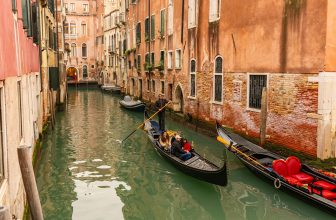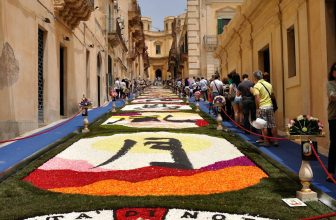

Embarking on a journey to Naples Italy Travel promises an experience that ignites the senses and enriches the soul. This vibrant metropolis, steeped in history and bursting with life, offers a profound immersion into authentic Italian culture. From the aromatic allure of its world-renowned pizza to the dramatic vistas of the Bay of Naples, the city captivates at every turn.

Best time to visit: Spring (April-May) and Autumn (September-October) offer pleasant weather and fewer crowds.
Top 2026 highlight: The continued resurgence of Naples as a cultural powerhouse, with evolving art scenes and culinary innovations.
Identity Card (Contextual)
- City: Naples
- Weather: Mediterranean, with hot summers and mild, wet winters. Spring and autumn are ideal.
- Gear: Comfortable walking shoes are essential for exploring cobblestone streets. Light layers are recommended for fluctuating temperatures.
- Sensory vibe: A captivating blend of chaotic energy, historical grandeur, and the omnipresent aroma of freshly baked pizza and salty sea air.
2026 logistics and essentials
Planning your trip to Naples in 2026 involves understanding a few key logistical elements. For many international travelers, entry into Italy will be facilitated by the European Travel Information and Authorisation System (ETIAS) or the upcoming European Entry/Exit System (EES). It’s crucial to check the latest requirements well in advance of your travel dates. The currency used is the Euro (€), and while credit cards are widely accepted in hotels, restaurants, and larger shops, carrying some cash is advisable for smaller trattorias, markets, and public transport.
Safety in Naples is generally comparable to other large European cities. Like any bustling urban environment, awareness of your surroundings is paramount, particularly in crowded tourist areas and on public transport, to avoid petty theft. The daily budget can vary significantly based on your travel style. For a comfortable mid-range experience, expect to allocate between €80-€150 per person per day, covering accommodation, meals, attractions, and local transport. Budget travelers can aim for €50-€70, while luxury seekers might spend upwards of €200+.
Here’s a sample daily budget table for a solo traveler in 2026:
| Category | Budget (€) | Mid-Range (€) | Luxury (€) |
|---|---|---|---|
| Accommodation | 30-50 | 60-100 | 150+ |
| Food | 20-30 | 40-60 | 80+ |
| Activities & Sightseeing | 15-25 | 30-50 | 60+ |
| Local Transport | 5-10 | 10-20 | 20+ |
| Total Daily Estimate | 70-115 | 140-230 | 310+ |
Destinations and landmarks
Naples is a city layered with history, offering an astonishing array of must-see destinations. The heart of the city, the historic center (Centro Storico), a UNESCO World Heritage site, is an absolute must. Here, you can wander through narrow, winding streets that have remained largely unchanged for centuries, alive with the sounds of daily life. Key sites within this area include the Duomo di Napoli, the city’s cathedral, which houses the revered San Gennaro’s blood ampoules.
For a glimpse into ancient life, the National Archaeological Museum is unparalleled, housing an extraordinary collection of Roman artifacts, many excavated from Pompeii and Herculaneum. The imposing Castel dell’Ovo, perched on a tiny island in the Bay of Naples, offers breathtaking panoramic views and a deep connection to the city’s maritime past. Another significant landmark is the Royal Palace of Naples (Palazzo Reale), a testament to the Bourbon dynasty’s power and opulence, showcasing lavish apartments and grand halls.
Don’t miss the chance to explore the underground city, Napoli Sotterranea, a fascinating network of tunnels and cisterns dating back to Greek times. This subterranean world reveals a different facet of Naples’ long and complex history. Finally, the vibrant Spaccanapoli, a straight, narrow street that literally “splits Naples” in two, is an unmissable experience for its lively atmosphere, artisan shops, and iconic churches.

Seasonal and cultural calendar (2026)
Naples truly comes alive throughout the year, with distinct experiences offered by each season. Spring, from April to May, is arguably the most pleasant time to visit. The weather is mild and sunny, perfect for exploring the city’s outdoor attractions and enjoying al fresco dining. The city is also in bloom, with vibrant colors dotting parks and gardens.
Summer, from June to August, brings heat and humidity, making it ideal for beach excursions to nearby islands like Capri or Ischia. While it can be crowded, the long daylight hours allow for extended sightseeing and vibrant evening strolls. Autumn, particularly September and October, mirrors the appeal of spring with comfortable temperatures and a beautiful golden light that bathes the city. This is also a fantastic time for food lovers, as harvest season brings fresh produce to local markets.
Winter, from November to March, is generally mild but can be wet. However, it’s a magical time to experience Naples with fewer tourists and a more intimate atmosphere. The holiday season is particularly festive, with elaborate nativity scenes (presepi) displayed throughout the city. Major events to consider for 2026 include the Feast of San Gennaro, a deeply religious and lively celebration held on September 19th, and the various Easter festivities which are marked with deep cultural significance. Local festivals and street celebrations occur throughout the year, often tied to patron saints or seasonal harvests, offering authentic glimpses into Neapolitan life.
Local culture and dining
The soul of Naples is intrinsically linked to its vibrant street life and its extraordinary culinary heritage. The air itself seems to hum with a unique energy, a blend of passionate conversations, the clatter of scooters, and the constant symphony of daily life. The scent of espresso mingles with the tantalizing aroma of baking bread and, of course, the unmistakable fragrance of wood-fired pizza wafting from countless pizzerias.
Dining in Naples is an experience in itself. The city is the birthplace of pizza, and enjoying a classic Margherita or Marinara here is a pilgrimage for any food enthusiast. Beyond pizza, Neapolitan cuisine is celebrated for its simplicity and the quality of its ingredients. Look for dishes like spaghetti alle vongole (spaghetti with clams), frittura di paranza (mixed fried seafood), and the rich, comforting ragù napoletano. Gelato is also a must-try, with artisanal shops offering an array of traditional and innovative flavors.
Neapolitan culture is characterized by its warmth, expressiveness, and deep sense of community. Locals are generally proud of their heritage and happy to share it, though a little Italian can go a long way. When dining, embracing the local customs means savoring each course and not rushing. Don’t be surprised if meals are long, lively affairs filled with conversation. The soundscape of Naples is as rich as its flavors – the animated chatter of piazza life, the distant church bells, and the omnipresent hum of Vespas are all integral to the city’s charm.
Survival and insider tips
Navigating Naples with confidence is part of the adventure. While the city is incredibly rewarding, being aware of potential scams or common tourist pitfalls can enhance your experience. Be vigilant in crowded areas, particularly around train stations and popular tourist sites, and keep your belongings secure. When using taxis, ensure the meter is used or agree on a price beforehand, and consider using ride-sharing apps for transparent pricing.
Certain neighborhoods are best explored with a bit of local knowledge. The historic center is generally safe and a joy to wander, but venturing into less tourist-frequented areas late at night might require extra caution. The Spanish Quarters (Quartieri Spagnoli) are vibrant and full of character, but it’s wise to stick to well-lit main streets, especially after dark. Understanding the local rhythm is key; Naples operates on a different pace, with many shops closing for a long lunch break.
A common mistake for visitors is to underestimate the amount of walking involved. Naples is a city best explored on foot, so comfortable shoes are non-negotiable. Another tip is to embrace the local transport system, including the metro and buses, which are efficient and economical once you get the hang of them. Finally, don’t be afraid to ask for recommendations from locals; they often know the best hidden trattorias and the most authentic experiences.
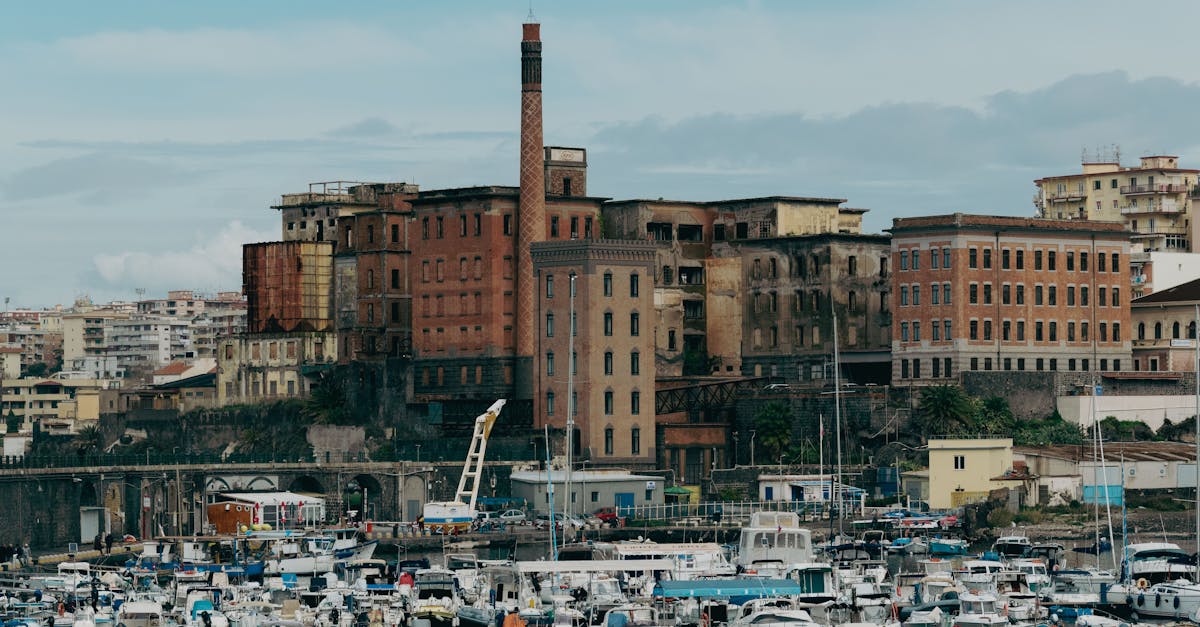

Budget and costs
Naples offers a spectrum of costs, making it accessible to a wide range of travelers. The city is known for being more affordable than many other major Italian cities, especially when it comes to food. Enjoying authentic pizza can cost as little as €5-€7 for a delicious Margherita, and a full trattoria meal with wine can often be had for €20-€30 per person. This makes culinary exploration incredibly budget-friendly.
Accommodation prices vary significantly. Budget travelers can find hostels or simple B&Bs for around €30-€50 per night. Mid-range hotels and apartments typically range from €60-€120, while luxury accommodations can start from €150 and go upwards. Transportation within the city is also cost-effective. A single bus or metro ticket is usually around €1.30, and day passes are available for those planning extensive travel. Entrance fees to major attractions like the National Archaeological Museum or the Royal Palace range from €10-€20.
When budgeting, consider the ‘hidden gems’ that often provide immense value without a high price tag. Simply wandering the historic streets, enjoying the vibrant street art, or sitting in a piazza with a coffee offers a rich cultural experience that is essentially free. Prioritizing experiences like pizza making classes or guided walking tours focused on local history can also offer great value for money.
Currency and payment methods
The official currency in Naples, as in all of Italy, is the Euro (€). It’s essential to have Euros on hand for various transactions, especially when dealing with smaller establishments, local markets, or street vendors. While credit and debit cards (Visa, Mastercard, American Express) are widely accepted in hotels, restaurants, larger shops, and at most tourist attractions, some smaller businesses may prefer or only accept cash.
ATMs (Bancomat) are readily available throughout the city, particularly in tourist areas and major squares. It’s advisable to inform your bank about your travel dates to avoid any holds on your cards. When withdrawing cash, be aware of potential fees from both your bank and the local ATM operator. It’s generally a good practice to carry a mix of cash and cards. Small denominations of Euros are useful for purchases like bus tickets, souvenirs from local artisans, or a quick espresso at a standing bar.
For those concerned about currency exchange rates, using your credit or debit card for purchases often provides competitive rates, though it’s wise to check your bank’s foreign transaction fees. Travelers’ checks are rarely accepted in Italy and are generally not recommended. Prioritizing secure payment methods and having a small reserve of cash will ensure a smooth and stress-free financial experience during your visit to Naples.
Visa and entry requirements
As of 2026, entry requirements for Naples, Italy, depend on your country of origin. For citizens of European Union member states, Switzerland, Norway, Iceland, and Liechtenstein, there are no visa requirements; you can travel with a valid national identity card or passport. For many other nationalities, including those from the United States, Canada, Australia, and the United Kingdom, short-term stays (up to 90 days within a 180-day period) for tourism or business purposes do not require a visa.
However, it is crucial to stay updated on the implementation of the European Travel Information and Authorisation System (ETIAS). This system is expected to require citizens from visa-exempt countries to obtain an online authorization before traveling to the Schengen Area, which includes Italy. The ETIAS application is expected to be simple, online, and relatively inexpensive. Always check the official ETIAS website or consult the Italian embassy or consulate in your country for the most current information.
Additionally, the upcoming European Entry/Exit System (EES) will electronically record travelers from non-EU countries each time they cross an EU border. This system aims to streamline border checks and monitor stays. Regardless of visa requirements, ensure your passport is valid for at least six months beyond your intended stay and has at least two blank pages. It’s always best practice to carry copies of your important travel documents separately from the originals.
Hidden gems
Beyond the iconic landmarks, Naples is brimming with hidden gems that offer a more intimate and authentic glimpse into the city. One such treasure is the Chiesa di Santa Maria delle Anime del Purgatorio ad Arco, a unique church dedicated to the souls in purgatory. Its crypt houses skulls arranged in an artistic and somber display, offering a fascinating, if chilling, cultural insight.
Explore the less-trafficked streets of the Rione Sanità, a historic and characterful neighborhood that was once a Roman necropolis. Here, you can discover authentic trattorias serving regional specialties away from the tourist crowds, and visit the impressive Catacombs of San Gennaro. Another delightful find is the Fontanelle Cemetery, an ossuary where hundreds of thousands of anonymous skulls are piled, creating a profound and evocative atmosphere.
For art lovers seeking something off the beaten path, the Museo Filangieri offers a glimpse into the opulent life of a 19th-century Neapolitan prince, with a diverse collection of art and decorative objects. Take time to simply wander through the less-touristed alleyways of the historic center, stumbling upon charming courtyards, artisan workshops, and quiet churches that reveal the city’s layered history and vibrant present in unexpected ways.
Comparison table
| Season | Pros | Cons | Best for |
|---|---|---|---|
| Spring (Apr-May) | Mild weather, fewer crowds, city in bloom | Occasional rain showers | Sightseeing, outdoor dining, exploring parks |
| Summer (Jun-Aug) | Hot, sunny days, ideal for beach trips, vibrant nightlife | High temperatures, humidity, peak tourist season | Coastal trips, enjoying the sea, long evenings |
| Autumn (Sep-Oct) | Pleasant temperatures, beautiful light, harvest season | Slightly fewer daylight hours than summer | Food festivals, relaxed sightseeing, cultural events |
| Winter (Nov-Mar) | Fewest crowds, festive holiday atmosphere, lower prices | Colder temperatures, potential for rain | Experiencing local life, Christmas markets, cozy dining |
FAQ section
What is the best time of year to visit Naples for good weather and fewer crowds?
The shoulder seasons, specifically spring (April-May) and autumn (September-October), offer the most pleasant weather in Naples with fewer tourists compared to the peak summer months. These periods provide comfortable temperatures ideal for extensive walking and exploring the city’s many attractions.
Is Naples safe for solo travelers in 2026?
Naples is generally safe for solo travelers, similar to other large European cities. It’s advisable to exercise common sense precautions, such as being aware of your surroundings, especially in crowded areas or on public transport, and keeping valuables secure. Sticking to well-lit and populated areas, particularly at night, is recommended.
What are the must-try foods in Naples besides pizza?
Beyond its world-famous pizza, Naples offers a rich culinary landscape. Must-try dishes include ‘sfogliatella’ (a shell-shaped pastry filled with ricotta), ‘ragù napoletano’ (a slow-cooked meat sauce), ‘spaghetti alle vongole’ (spaghetti with clams), and ‘frittura di paranza’ (a mixed fried seafood platter). Don’t forget to indulge in authentic Neapolitan gelato.
How can I get around Naples efficiently?
Naples has a public transportation system that includes a metro, buses, and funiculars. The metro is efficient for reaching key areas. Walking is often the best way to explore the historic center. Purchasing a day pass can be economical if you plan on using public transport frequently.
What should I know about tipping in Naples?
Tipping in Naples is not as obligatory as in some other countries. Service charges (‘servizio’) are often included in the bill at restaurants, which is usually around 10-15%. If service is exceptional, you can leave a small extra amount in cash. For shorter services like coffee, rounding up the bill is customary.
Dos and Don’ts: 5 tips for dealing with locals
- Do learn a few basic Italian phrases like “Buongiorno” (Good morning), “Grazie” (Thank you), and “Prego” (You’re welcome). A little effort goes a long way.
- Don’t be overly loud or disruptive. While Neapolitans are expressive, respect for public spaces is appreciated.
- Do engage with local shopkeepers and vendors. A friendly smile and a polite inquiry can lead to more authentic interactions.
- Don’t be impatient if service seems slow. Embrace the relaxed pace of life and enjoy the moment.
- Do try to understand and appreciate the local passion and directness. It’s part of their charm.
Essential tools
To make the most of your Naples adventure in 2026, consider packing these essential tools: comfortable walking shoes are paramount for navigating cobblestone streets and ancient pathways. A portable power bank will be invaluable for keeping your devices charged for navigation and photography. A reusable water bottle is eco-friendly and economical, especially during warmer months. Download offline maps of Naples for easy navigation even without a data connection. A small Italian phrasebook or translation app can greatly enhance your interactions.
Travel budget analysis
A comprehensive travel budget for Naples requires an understanding of your personal travel style. For a week-long trip, a budget traveler might allocate €400-€600, focusing on hostels, self-catering some meals, and utilizing free attractions. A mid-range traveler could comfortably spend between €800-€1200, allowing for comfortable hotels, dining out regularly at trattorias, and visiting most major paid attractions. Luxury travelers may budget €1500+, opting for high-end accommodations, fine dining, private tours, and exclusive experiences.
Key cost-saving strategies include eating street food and pizza, utilizing public transport, and taking advantage of free walking tours. Booking accommodation in advance, especially during peak season, can secure better rates. Consider purchasing city passes if they align with your planned sightseeing itinerary, though carefully calculate if the cost justifies the included attractions.
Remember to factor in miscellaneous expenses such as souvenirs, spontaneous purchases, and potential tips. By carefully planning and prioritizing, Naples can be an incredibly rewarding destination that caters to a variety of budgets, ensuring a memorable and authentic Italian experience.
What aspect of Naples Italy Travel are you most excited to experience first?