
Best time to visit: Spring (March-May) for cherry blossoms and mild weather, or Autumn (September-November) for vibrant foliage and comfortable temperatures.
Top 2026 highlight: Experiencing the profound peace and resilience embodied by the Hiroshima Peace Memorial Park and its surrounding memorials.
Identity Card (Contextual):
City: Hiroshima
Weather: Mild in spring and autumn, hot and humid in summer, cold in winter.
Gear: Comfortable walking shoes, layers of clothing, umbrella (year-round), sunscreen in warmer months.
Sensory vibe: Solemn, reflective, hopeful, peaceful, with moments of quiet contemplation punctuated by the sounds of nature and distant city life.
The enduring spirit of Hiroshima Peace Memorial Park
The Hiroshima Peace Memorial, a stark yet powerful symbol of humanity’s resilience and the fervent hope for global peace, stands as a solemn testament to the devastating atomic bombing of 1945. This iconic structure, located within the meticulously preserved Peace Memorial Park, draws millions of visitors each year, offering a profound space for reflection and a stark reminder of the imperative for peace. Walking through the park, one can feel the weight of history, but also the unwavering spirit of a city reborn and dedicated to a future free from nuclear devastation.

2026 logistics & essentials for your visit
Planning a trip to Hiroshima to experience the Peace Memorial requires attention to practical details to ensure a smooth and meaningful journey.
Visas and entry requirements
For many international visitors, particularly those from countries with visa-waiver agreements with Japan, a visa may not be required for short stays. However, it is crucial to verify the latest regulations with the Japanese embassy or consulate in your home country well in advance of your travel dates. New entry systems like ETIAS or EES are being implemented for some regions, so staying informed about potential changes is paramount.
Currency and payment methods
The official currency of Japan is the Japanese Yen (JPY, ¥). While credit cards are becoming more widely accepted in major cities and tourist areas, Japan remains a cash-reliant society. It is highly recommended to carry a reasonable amount of Yen for smaller establishments, local transport, and market purchases. ATMs that accept international cards can be found at post offices and convenience stores like 7-Eleven.
Safety in Hiroshima
Hiroshima is an exceptionally safe city with a very low crime rate. However, as with any travel destination, it is wise to remain aware of your surroundings and take standard precautions against petty theft, especially in crowded tourist spots. The city is well-equipped to handle emergencies, and local authorities are responsive and helpful.
Daily budget table (estimated per person, per day in JPY)
| Category | Budget (JPY) | Notes |
| :————– | :———– | :—————————————– |
| Accommodation | 8,000 – 15,000 | Mid-range hotel |
| Food | 4,000 – 6,000 | Mix of local eateries and casual dining |
| Transportation | 1,000 – 2,000 | Local buses and trams |
| Attractions | 1,000 – 2,000 | Entrance fees to museums/memorials |
| Miscellaneous | 2,000 – 3,000 | Souvenirs, snacks, incidentals |
| **Total Estimate** | **16,000 – 28,000** | This is a guideline; adjust to your style |
Destinations & landmarks surrounding the Peace Memorial
While the Hiroshima Peace Memorial itself is the focal point, the surrounding Peace Memorial Park and Museum are integral to understanding the city’s past and its commitment to peace.
Hiroshima Peace Memorial Museum
This museum is a critical component of understanding the impact of the atomic bomb. It houses artifacts, personal testimonies, and detailed exhibits that powerfully convey the human cost of the event. The displays are moving and often heartbreaking, but they are presented with a profound sense of respect and a forward-looking message of peace. Allow ample time for a thorough and contemplative visit.
Atomic Bomb Dome (Genbaku Dome)
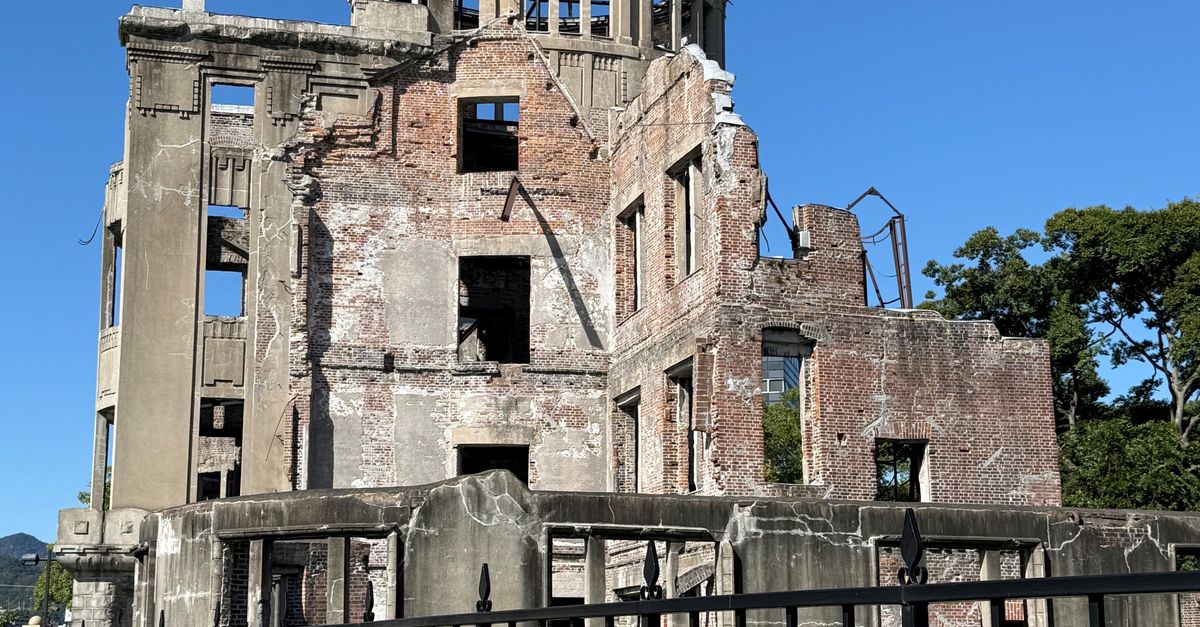
Standing eerily close to the hypocenter, the skeletal remains of the former Prefectural Industrial Promotion Hall, now known as the Atomic Bomb Dome, serve as a poignant and internationally recognized symbol of the bombing’s destruction. Its preservation is a deliberate act, a constant reminder of the tragedy and a powerful plea for peace. The dome’s stark silhouette against the sky is an unforgettable sight.
Children’s Peace Monument
Dedicated to the child victims of the atomic bombing and inspired by Sadako Sasaki, a young girl who folded origami cranes in hope of recovery, this monument is adorned with thousands of colorful paper cranes sent by people worldwide. It represents the innocent lives lost and the enduring hope for a peaceful world for future generations. The vibrant colors of the cranes stand in stark contrast to the solemnity of the park.
Cenotaph for the A-bomb Victims
This iconic monument, shaped like an arch resembling a shelter for all souls, enshrines the names of all known atomic bomb victims. A perpetual flame burns at its base, symbolizing the hope that nuclear weapons will never be used again, and will only be extinguished once all nuclear weapons on Earth are abolished. The simple, elegant design encourages quiet contemplation.
Peace Bells
Scattered throughout the park, the Peace Bells are rung at various times to commemorate peace. Visitors are often invited to ring these bells themselves, adding their own resonance to the chorus of peace that echoes through the park. The gentle chime of the bells carries a message of hope and reflection.
Seasonal & cultural calendar (2026)
Hiroshima offers distinct experiences throughout the year, with certain seasons enhancing the atmosphere of peace and reflection.
Spring (March – May)
Spring is a particularly beautiful time to visit Hiroshima. The weather is mild and pleasant, perfect for exploring the Peace Memorial Park. The city is renowned for its cherry blossoms, which typically bloom in late March to early April, painting the park and riverbanks in delicate shades of pink and white. This adds a layer of serene beauty to the already contemplative atmosphere.
Summer (June – August)
Summers in Hiroshima are hot and humid, with a rainy season typically occurring in June and July. While the weather can be challenging, it is also a time for vibrant festivals. The Hiroshima Flower Festival (usually May 3-5) is a major event, though its timing straddles spring and summer. The sheer number of visitors increases during this period.
Autumn (September – November)
Autumn brings cooler, crisp air and stunning fall foliage to Hiroshima. The changing leaves create a beautiful backdrop for the Peace Memorial Park, offering a picturesque and comfortable visiting experience. This season is ideal for long walks and quiet reflection.
Winter (December – February)
Winters are cold in Hiroshima, with occasional light snow. While fewer tourists visit during this time, the park offers a profoundly quiet and reflective atmosphere. The stark beauty of the memorials in winter can be particularly moving.
Local culture & dining experiences
Beyond its somber history, Hiroshima is a vibrant city with a rich culinary scene and a unique local culture that embraces resilience and hospitality.
Must-try dishes
Hiroshima is most famous for its distinct style of Okonomiyaki, a savory pancake dish. Unlike the Osaka version, Hiroshima Okonomiyaki is layered, with ingredients like cabbage, noodles (soba or udon), pork, and an egg cooked between thin crepes. The savory, slightly sweet sauce is a defining characteristic. Another local specialty is oysters, which are abundant in the Seto Inland Sea. Enjoy them grilled, raw, or in other dishes.
Dining etiquette
When dining, it’s customary to say “Itadakimasu” before eating and “Gochisousama deshita” after finishing. Tipping is generally not expected in Japan. If you are served tea, accept it with a slight bow. When eating Okonomiyaki at a counter, it’s common for the chef to cook it directly in front of you.
Sensory immersion
The air in the Peace Memorial Park often carries the scent of damp earth after rain, mingled with the subtle fragrance of seasonal flowers. The dominant sounds are often the gentle rustling of leaves, the distant hum of the city, and the poignant chime of the peace bells. In local eateries, the sizzle of Okonomiyaki on the griddle and the cheerful chatter of diners create a lively yet welcoming atmosphere.
Survival & insider tips
To make the most of your visit to Hiroshima and its Peace Memorial, consider these practical tips.
Avoiding common scams
Hiroshima is a very safe city, and scams are rare. The primary concern for tourists is often overcharging for goods or services, which is uncommon. Be wary of unsolicited “guides” who approach you on the street, and always ensure you are clear about prices before agreeing to anything. Stick to reputable establishments and tour operators.
Exploring neighborhoods
While the Peace Memorial Park is the central focus, consider exploring other areas of Hiroshima. The Hondori shopping arcade offers a lively contrast to the park’s solemnity, filled with shops, cafes, and restaurants. The Shukkei-en Garden provides a tranquil oasis of traditional Japanese landscaping.
Mistakes to avoid
One common mistake is rushing through the Peace Memorial Museum. The exhibits are detailed and emotionally resonant; allow at least 2-3 hours for a comprehensive and respectful visit. Another is not experiencing Hiroshima’s local cuisine, particularly its unique Okonomiyaki. Lastly, ensure you are familiar with Japan’s public transport system; while efficient, it can be complex for first-time visitors.
Hidden gems
Beyond the main memorials, seek out the Flame of Peace, which will only be extinguished when all nuclear weapons are destroyed. Visit the Hiroshima National Peace Memorial Hall for the Atomic Bomb Victims, a more intimate space for quiet remembrance. For a different perspective, consider a day trip to the nearby island of Miyajima, famous for its “floating” torii gate.
Budget and costs
A visit to Hiroshima can be tailored to various budgets. The Peace Memorial Park and its core memorials are free to enter. The Peace Memorial Museum has a modest entrance fee. Dining options range from inexpensive street food and casual eateries to more upscale restaurants. Transportation within the city is efficient and affordable, primarily through trams and buses. Accommodation prices vary significantly based on the type of lodging chosen, from budget-friendly hostels to mid-range hotels and luxury options.
Currency and payment methods
The Japanese Yen (JPY) is the official currency. While credit cards are increasingly accepted in hotels, larger stores, and some restaurants, it is essential to carry cash, especially for smaller shops, local markets, and transportation. ATMs in convenience stores like 7-Eleven and at post offices are generally reliable for withdrawing cash with international cards.
Visa and entry requirements
Japan has visa-waiver agreements with many countries for short stays. It is imperative to check the latest visa requirements based on your nationality with the Japanese Embassy or Consulate in your country. Be aware of any new entry systems that may be implemented for 2026.
Comparison Table: Best Times to Visit
| Season | Pros | Cons |
| :———— | :——————————————— | :————————————— |
| Spring (Mar-May) | Pleasant weather, cherry blossoms, mild. | Peak tourist season, can be crowded. |
| Summer (Jun-Aug) | Festivals, longer daylight hours. | Hot and humid, rainy season. |
| Autumn (Sep-Nov) | Comfortable temperatures, fall foliage, less crowded than spring. | Can be unpredictable weather. |
| Winter (Dec-Feb) | Very quiet, serene atmosphere, lower prices. | Cold weather, shorter daylight hours. |
FAQ Section
What is the most impactful part of the Hiroshima Peace Memorial?
Many visitors find the Hiroshima Peace Memorial Museum to be the most impactful due to its direct presentation of artifacts and personal stories, offering a profound human connection to the event. The Atomic Bomb Dome also holds immense symbolic power.
How much time should I allocate for visiting the Peace Memorial Park and Museum?
To fully absorb the experience, it’s recommended to allocate at least half a day, ideally 3-4 hours, for the Peace Memorial Museum alone. Exploring the entire park can easily take another 1-2 hours.
Is it appropriate to take photos within the Peace Memorial Park and Museum?
Photography is generally permitted in the Peace Memorial Park. However, within the museum, photography may be restricted in certain areas or for specific exhibits. Always look for signage or ask staff if unsure.
What is the significance of the origami cranes at the Children’s Peace Monument?
The origami cranes are a symbol of peace and hope, inspired by Sadako Sasaki, a young survivor who folded thousands of cranes while battling leukemia caused by radiation. It represents the wish for a world free of nuclear weapons and suffering.
How can I best experience Hiroshima’s local cuisine?
Be sure to try Hiroshima-style Okonomiyaki, which differs from other regional variations. Also, sample the fresh oysters from the Seto Inland Sea. Exploring local markets and smaller eateries will offer the most authentic tastes.
Dos and Don’ts: 5 tips for dealing with locals
1. Do greet locals with a polite nod or a slight bow.
2. Do try to learn a few basic Japanese phrases like “Konnichiwa” (Hello) and “Arigato gozaimasu” (Thank you very much).
3. Do be mindful of noise levels, especially in public transport and quieter areas.
4. Don’t speak loudly on mobile phones in public spaces, particularly on trains.
5. Don’t point directly at people; use an open hand gesture if needed.
Essential Tools
A good pair of comfortable walking shoes is non-negotiable for exploring the expansive Peace Memorial Park. An umbrella or rain gear is advisable year-round due to unpredictable weather patterns. A portable charger for your electronic devices can be helpful, especially if you plan on extensive photography or navigation.
Quick Map
[A placeholder for a future map integration]
Mini Trip Guide
Day 1: Arrival & Reflection
Arrive in Hiroshima, check into your accommodation. Spend the afternoon visiting the Hiroshima Peace Memorial Museum and the Atomic Bomb Dome to begin your understanding of the city’s history.
Day 2: Deeper Exploration & Local Flavors
Dedicate the morning to exploring the rest of the Peace Memorial Park, including the Children’s Peace Monument and the Cenotaph. In the afternoon, immerse yourself in Hiroshima’s culinary scene with a Hiroshima-style Okonomiyaki lunch.
Day 3: Beyond the Park (Optional)
Consider a half-day trip to the stunning island of Miyajima to see its iconic torii gate, or explore other cultural sites within Hiroshima like Shukkei-en Garden.
Travel Budget Analysis
A budget trip to Hiroshima can be managed effectively by staying in guesthouses or budget hotels, eating at local eateries and convenience stores, and utilizing the efficient public tram system. Mid-range travelers can opt for comfortable business hotels and enjoy a wider variety of restaurants. Luxury travelers will find high-end hotels and fine dining options readily available. The most significant cost will likely be flights and accommodation, with daily expenses for food and transport remaining relatively modest.
What enduring message of peace will you carry with you from Hiroshima?