
content_type = travel_place_guide
Best time to visit: Late spring (May-June) and early autumn (September-October) offer pleasant weather and fewer crowds.
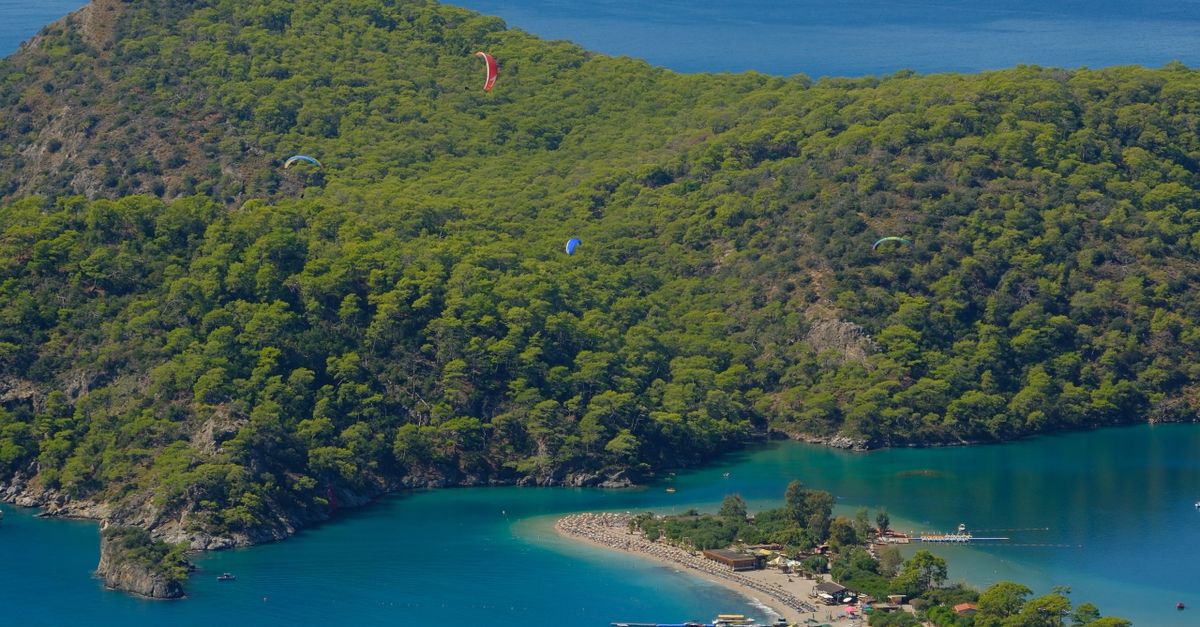
Top 2026 highlight: Experiencing the vibrant paragliding scene from Babadağ mountain, offering unparalleled views of the Blue Lagoon.
City: Fethiye
Weather: Mediterranean climate with hot, dry summers and mild, wet winters.
Gear: Swimwear, reef-safe sunscreen, hat, comfortable walking shoes, light clothing, and a camera.
Sensory vibe: A breathtaking fusion of turquoise waters, emerald hills, the scent of pine and salt, and the distant hum of paragliders.
Discover the magic of Fethiye’s Blue Lagoon: Your ultimate 2026 guide
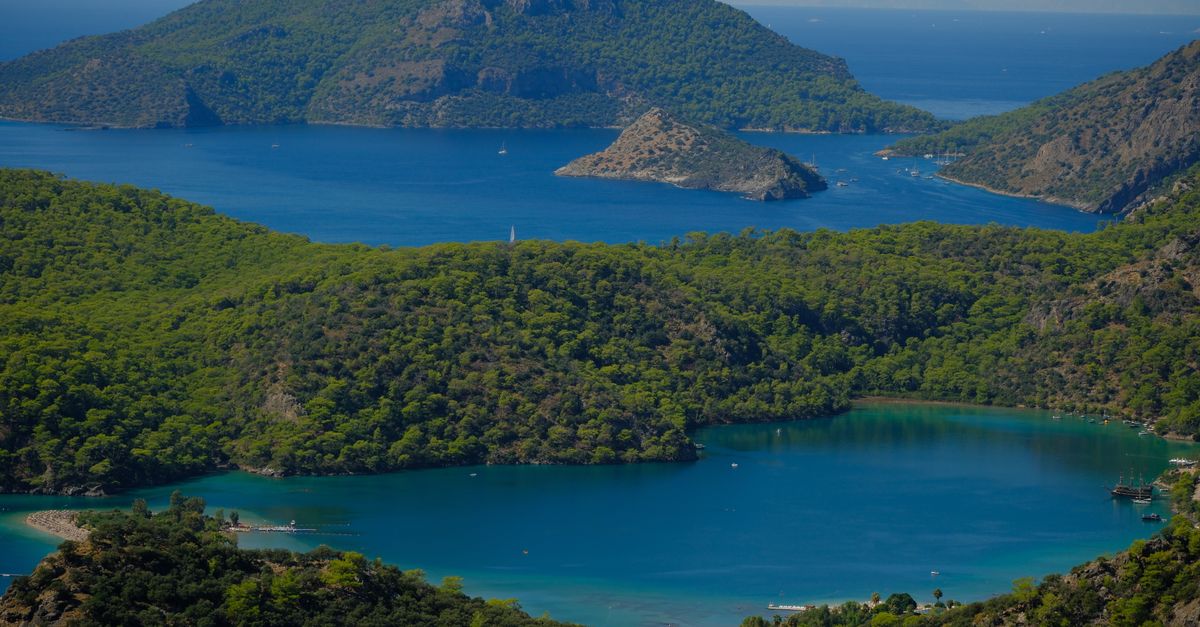
The Fethiye Blue Lagoon, an iconic stretch of paradise nestled in Ölüdeniz, near the bustling town of Fethiye in Turkey, beckons travelers with its unparalleled natural beauty. Imagine stepping into a postcard where impossibly blue waters meet lush, verdant hills, creating a vista that soothes the soul and ignites the spirit of adventure. This is more than just a destination; it’s an experience that promises to etch itself into your memory forever.

2026 logistics & essentials for your Blue Lagoon adventure
Planning your trip to the Fethiye Blue Lagoon in 2026 requires attention to a few key details to ensure a seamless and enjoyable experience. As Turkey is not part of the Schengen Area, most visitors will not require an ETIAS or EES visa. However, it’s always prudent to check the latest entry requirements for your specific nationality well in advance of your travel dates. The official currency in Turkey is the Turkish Lira (TRY). While credit cards are widely accepted in tourist areas, carrying some cash is advisable for smaller establishments and local markets.
Safety is paramount, and the Fethiye region is generally considered safe for tourists. Standard travel precautions, such as being aware of your surroundings and securing your valuables, are recommended. For a comfortable stay, a realistic daily budget for a mid-range traveler, excluding flights and accommodation, could range from €50 to €80 per person. This would cover meals, local transportation, and entrance fees to attractions. Remember that prices can fluctuate, so flexibility is key.
Must-see destinations & landmarks around the Blue Lagoon
The Fethiye Blue Lagoon itself is the star attraction, a protected national park renowned for its pristine waters and tranquil atmosphere. The calm, shallow lagoon is perfect for swimming, sunbathing, and enjoying the breathtaking scenery. However, the surrounding area offers a wealth of other incredible sights that deserve a spot on your itinerary.
Butterfly Valley (Kelebekler Vadisi)
Accessible primarily by boat from Ölüdeniz, Butterfly Valley is a secluded paradise. As the name suggests, it’s a haven for butterflies, particularly in the spring and early summer. The dramatic cliffs and the sense of remoteness create an unforgettable natural spectacle.
Gemiler Island (St. Nicholas Island)
Just a short boat trip from the coast, Gemiler Island is steeped in history. Ruins of Byzantine churches and monasteries dot the landscape, offering a fascinating glimpse into the past. The island also provides stunning panoramic views of the coastline.
Kaya Village (Kayaköy)
This abandoned Greek village, a hauntingly beautiful ghost town, lies inland from Ölüdeniz. Wandering through its stone houses and churches evokes a profound sense of history and reflection. The atmosphere is unique, a poignant reminder of past lives.
Saklıkent Gorge
Venture further inland to discover Saklıkent Gorge, a spectacular natural wonder. This deep canyon offers a refreshing escape from the summer heat, with its icy-cold river flowing through dramatic rock formations. A walk through the gorge is an invigorating adventure.
Fethiye City Center & Harbour
The vibrant town of Fethiye itself is worth exploring. Discover the ancient Lycian rock tombs carved into the cliffs, stroll along the picturesque harbor lined with charming cafes and restaurants, and soak in the lively atmosphere.
Seasonal & cultural calendar 2026: Timing your visit
The Fethiye region enjoys a Mediterranean climate, characterized by long, hot summers and mild, rainy winters. Understanding the seasonal nuances will help you plan the perfect trip.
Spring (April – June)
This is an ideal time to visit the Blue Lagoon. The weather is warm and pleasant, with average temperatures ranging from 20°C to 25°C. Wildflowers bloom, painting the hillsides in vibrant colors. It’s perfect for hiking, exploring ancient ruins, and enjoying water activities before the peak summer heat. The sea starts to warm up, making swimming enjoyable.
Summer (July – August)
These months are the hottest and busiest. Temperatures can soar to 30°C and above. The Blue Lagoon is at its most vibrant, with clear skies and perfect conditions for sunbathing and water sports. However, expect larger crowds and higher prices for accommodation and activities.
Autumn (September – October)
Another excellent period to visit. The sea remains warm enough for swimming, and the temperatures are more moderate, typically between 20°C and 27°C. The crowds thin out significantly, offering a more relaxed experience. The landscape is still beautiful, and the light is perfect for photography.
Winter (November – March)
Winter is mild but can be wet, with temperatures averaging around 10°C to 15°C. While not ideal for beach holidays, it’s a good time for budget travelers seeking fewer tourists and experiencing a more local side of Fethiye. Some businesses may operate with reduced hours or close for the season.
A significant event for paragliding enthusiasts is the annual Ölüdeniz Air Games, usually held in October. This international festival attracts paragliders from around the globe, showcasing incredible aerial displays above the Blue Lagoon.
Local culture & dining: A taste of Fethiye
The culinary scene in Fethiye and around the Blue Lagoon is a delightful fusion of Mediterranean and Turkish flavors. Expect fresh, locally sourced ingredients prepared with traditional methods.
The aroma of grilled seafood wafts from seaside restaurants, while the scent of herbs and spices fills the air from bustling local markets. Don’t miss trying *gözleme*, a savory Turkish flatbread often filled with cheese, spinach, or potatoes, cooked fresh on a griddle. *Mezes*, small appetizer plates, are a fantastic way to sample a variety of local tastes, from creamy hummus and spicy ezme to stuffed vine leaves.
For a more substantial meal, *köfte* (meatballs) and various grilled fish dishes are local staples. Enjoying a glass of *çay* (Turkish tea) or a potent cup of Turkish coffee is an integral part of the social fabric. When dining, particularly in more traditional settings, it’s polite to accept offers of food and drink. The pace of life is often more relaxed, so savor the experience. The sounds of cheerful chatter from cafes, the gentle lapping of waves, and the distant call to prayer create a rich auditory tapestry.
Survival & insider tips for the Fethiye Blue Lagoon
To make the most of your visit to the Fethiye Blue Lagoon and its surroundings, a few insider tips can prove invaluable. While Fethiye is generally welcoming, like any tourist destination, being aware of common pitfalls ensures a smoother trip.
One common scenario to be mindful of is overly persistent touts, especially in busier areas. Be polite but firm if you are not interested in their offers. When using local taxis, ensure the meter is used or agree on a price beforehand to avoid inflated fares.
Exploring beyond the immediate tourist hotspots can lead to authentic experiences. Venture into the backstreets of Fethiye town for local eateries where prices are lower and the food is often more traditional. Consider renting a car for a day or two to explore areas like Saklıkent Gorge and Kayaköy at your own pace, as public transport might be less frequent to these more remote locations.
For swimming and relaxation at the Blue Lagoon, arrive early in the morning to secure a good spot and enjoy the tranquility before the crowds descend. The main beach area can get very busy, but there are quieter sections further along the coast.
Budget and costs
While the Fethiye Blue Lagoon offers world-class beauty, it can be enjoyed on various budgets. Entrance fees to the National Park are minimal, usually around 100-150 TRY per person, which contributes to its preservation. Beach chair and umbrella rentals can range from 100-200 TRY for the day.
Food prices vary significantly. A simple gözleme from a beach cafe might cost 70-100 TRY, while a full seafood dinner at a harbor-side restaurant could be 500-800 TRY or more per person. Local transportation, such as dolmuş (minibuses), is very affordable, with short rides costing around 20-30 TRY. Day trips to nearby attractions like Saklıkent Gorge or Kayaköy can cost between 500-1000 TRY for organized tours, or less if you arrange private transport.
Currency and payment methods
The official currency is the Turkish Lira (TRY). ATMs are widely available in Fethiye and Ölüdeniz, and most accept international cards. Credit cards (Visa, MasterCard) are accepted in hotels, larger restaurants, and shops. However, for smaller purchases, market stalls, and local transport, it’s essential to have cash. Exchange offices are also common, but check exchange rates carefully as they can vary.
Visa and entry requirements
For most nationalities, Turkey does not require an ETIAS or EES visa for short tourist stays. However, it is crucial to verify the specific requirements for your passport nationality on the official Turkish Ministry of Foreign Affairs website or through your country’s embassy well before your trip. Some nationalities may need an e-Visa, which can be obtained online in advance.
Hidden Gems
Beyond the famed Blue Lagoon, seek out the smaller, less-crowded coves and beaches dotted along the coastline near Ölüdeniz. Ask locals for recommendations for traditional restaurants tucked away from the main tourist strips. Explore the Lycian Way, a long-distance footpath, for stunning coastal hikes offering solitude and breathtaking views. Consider a boat trip that ventures further afield, discovering secluded bays perfect for snorkeling and swimming away from the main crowds.
Frequently asked questions
When is the best time to visit Fethiye Blue Lagoon for fewer crowds?
The shoulder seasons, late spring (May-June) and early autumn (September-October), offer pleasant weather and significantly fewer crowds than the peak summer months.
What are the main activities at the Fethiye Blue Lagoon?
Primary activities include swimming, sunbathing, paddleboarding, kayaking, and simply enjoying the stunning natural scenery. The area is also a world-renowned paragliding destination.
Is it safe to swim in the Blue Lagoon?
Yes, the Blue Lagoon is known for its calm, shallow, and crystal-clear waters, making it very safe for swimming, especially for families. Lifeguards are often present during peak season.
What currency is used in Fethiye?
The official currency is the Turkish Lira (TRY).
Can I paraglide at Ölüdeniz?
Absolutely. Ölüdeniz is one of the world’s premier paragliding destinations, with tandem flights available from Babadağ mountain offering spectacular views of the Blue Lagoon.
Dos and Don’ts: 5 tips for dealing with locals
1. Do dress modestly when visiting local villages or religious sites. While beachwear is fine at the lagoon, showing respect for local customs is appreciated elsewhere.
2. Do learn a few basic Turkish phrases like “Merhaba” (Hello) and “Teşekkürler” (Thank you). A little effort goes a long way.
3. Don’t haggle aggressively in shops. A friendly negotiation is common in markets, but be respectful of the seller’s livelihood.
4. Do accept offers of tea or coffee when invited. It’s a sign of hospitality and a chance to connect.
5. Don’t assume everyone speaks English. Be patient and use gestures if communication becomes difficult.
Essential Tools for your trip
* Sunscreen: High SPF, reef-safe options are ideal.
* Water Shoes: Useful for exploring rocky shorelines or riverbeds like Saklıkent Gorge.
* Dry Bag: Essential if you plan on boat trips or water sports.
* Portable Charger: To keep your devices powered for photos and navigation.
* Turkish Phrasebook/App: For easier communication.
Travel Budget Analysis (Example for 7 Days, Mid-Range Traveler)
| Category | Estimated Cost (TRY) | Notes |
|---|---|---|
| Accommodation (7 nights) | 7,000 – 14,000 | Mid-range hotel/guesthouse |
| Food & Drink (7 days) | 3,500 – 5,600 | Mix of local eateries and restaurants |
| Local Transport (Dolmuş, taxis) | 500 – 1,000 | For day trips and getting around |
| Activities & Entrance Fees | 1,500 – 3,000 | Blue Lagoon entry, Kayaköy, Saklıkent, boat trip |
| Miscellaneous (Souvenirs, etc.) | 1,000 – 2,000 | Personal spending |
| Total Estimated Budget (excluding flights) | 13,500 – 25,600 TRY | Approx. €400 – €750 (exchange rate dependent) |
Will the turquoise waters and majestic landscapes of the Fethiye Blue Lagoon be calling your name in 2026?