
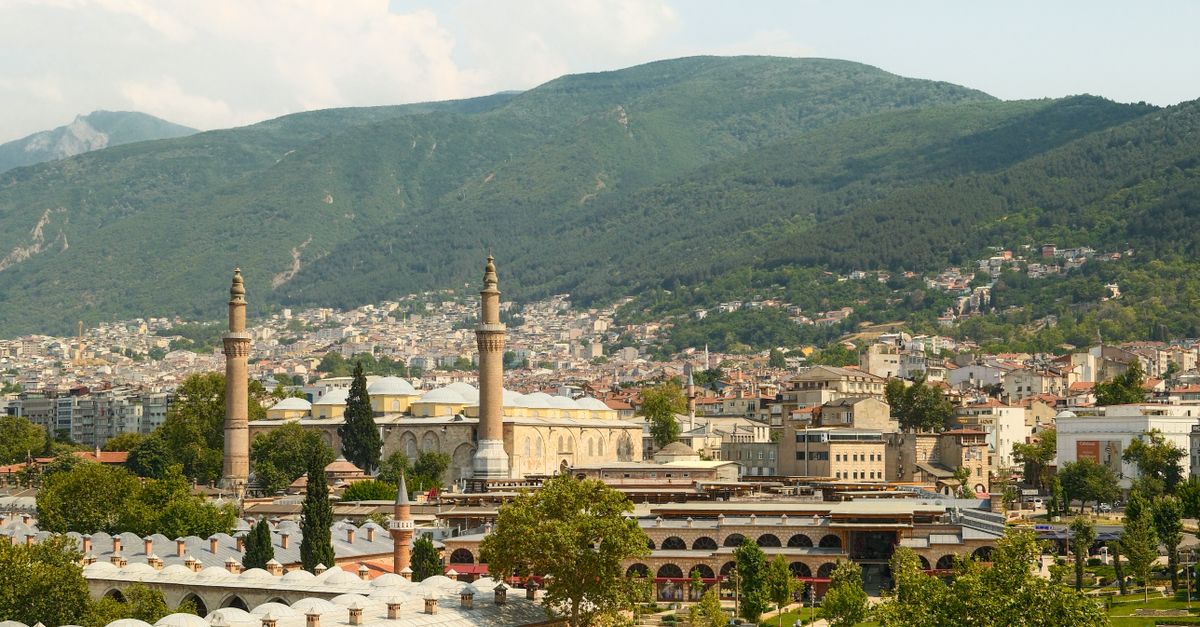
Embarking on Bursa sightseeing is to step into a living tapestry of Ottoman history, vibrant culture, and breathtaking natural beauty nestled at the foot of Mount Uludağ. This ancient capital of the Ottoman Empire offers a profound journey through centuries of architectural marvels, bustling bazaars, and serene landscapes. From the spiritual grandeur of its mosques to the invigorating mountain air, Bursa promises an enriching experience for every traveler.

| Quick Answer Box |
|
Best time to visit: Spring (April-May) and Autumn (September-October) offer pleasant weather for sightseeing. Top 2026 highlight: Experiencing the traditional silk market and enjoying panoramic views from Tophane Park. Bursa – City / Weather / Gear / Sensory vibe:
|
Bursa sightseeing: 2026 logistics and essentials
Navigating Bursa in 2026 is straightforward, with modern infrastructure complementing its historical charm. For most international visitors, including those from Schengen Area countries, a visa is not required for stays up to 90 days within a 180-day period. However, always check the latest official visa requirements as regulations can change.
The official currency is the Turkish Lira (TRY). While credit and debit cards are widely accepted in hotels, restaurants, and larger shops, carrying some cash is advisable for smaller vendors and bazaars. ATMs are readily available throughout the city. Safety in Bursa is generally high, but standard precautions against petty theft in crowded areas are recommended. Public transportation, including buses and trams, is efficient and affordable.
A realistic daily budget for a comfortable trip, excluding flights and accommodation, can range from €40-€70 per person. This would cover meals at mid-range eateries, local transport, entrance fees to major attractions, and some souvenir shopping. Of course, this can be adjusted based on your spending habits.
| Category | Estimated Daily Cost (TRY) | Estimated Daily Cost (EUR) |
|---|---|---|
| Budget Meal | 150 – 250 | 5 – 8 |
| Mid-range Meal | 300 – 500 | 10 – 17 |
| Local Transport | 50 – 100 | 2 – 3 |
| Attraction Entrance Fees | 100 – 200 | 3 – 7 |
| Miscellaneous (souvenirs, coffee) | 150 – 300 | 5 – 10 |
| Total (Mid-Range) | 750 – 1350 | 25 – 45 |
Bursa sightseeing: Destinations and landmarks
Bursa’s historical heart beats within its magnificent mosques and mausoleums, testaments to its glorious past as the first major capital of the Ottoman Empire. These structures are not merely places of worship but are architectural masterpieces that tell stories of a bygone era. Exploring these sites offers a deep dive into the aesthetic and spiritual foundations of Ottoman Turkey.
The Grand Mosque (Ulu Cami)
Dominating the city center, the Ulu Cami is a breathtaking example of early Ottoman mosque architecture. Built after a victory in 1396, its design features 20 domes supported by 12 pillars, creating an expansive and awe-inspiring interior. The mosque is renowned for its intricate calligraphy and the central fountain, symbolizing life and purification.
The Green Mausoleum (Yeşil Türbe)
A masterpiece of early 15th-century Ottoman architecture, the Yeşil Türbe is the opulent tomb of Sultan Mehmed I. Its exterior is adorned with beautiful blue-green tiles, giving it its distinctive name, while the interior boasts exquisite İznik tilework and intricate carvings. The serenity surrounding the mausoleum offers a moment of peaceful reflection.
Bursa Castle and Tophane Park
Perched on a hill overlooking the city, Bursa Castle offers panoramic vistas. Within its grounds lies Tophane Park, a popular spot for locals and tourists alike. It’s here you’ll find the historic clock towers and the mausoleums of Osman Ghazi and Orhan Ghazi, the founders of the Ottoman dynasty. The sweeping views from Tophane are particularly stunning at sunset, painting the city and distant mountains in golden hues.
Koza Han
Stepping into Koza Han is like stepping back in time. This historic silk caravanserai, built in 1491, was once a vital hub for the silk trade. Today, it buzzes with activity as artisans sell silk products, scarves, and other textiles. The charming courtyard, with its central fountain and surrounding arched galleries, provides a shaded respite and a picturesque setting for soaking in the atmosphere.

The Muradiye Complex
This sprawling complex, built in the 15th century, comprises the Muradiye Mosque and several impressive mausoleums. The mosque is a beautiful example of classic Ottoman design, while the tombs, including that of Sultan Murad II, showcase refined tilework and frescoes. The surrounding gardens offer a tranquil environment to explore.
Bursa sightseeing: Seasonal and cultural calendar (2026)
Bursa’s allure shifts with the seasons, each offering a unique experience for visitors. Understanding the annual calendar helps in planning a trip that aligns with your interests, whether you seek blooming nature, vibrant festivals, or cozy winter escapes.
Spring (April-May): The Blooming City
Spring breathes life into Bursa. The city bursts with color as flowers bloom in parks and gardens. Temperatures are mild and pleasant, making it ideal for exploring historical sites on foot. The local markets are brimming with fresh produce, and outdoor cafes begin to fill up. It’s a perfect time for leisurely strolls and enjoying the revitalized urban landscape.
Summer (June-August): Warm Days and Mountain Breezes
Summers in Bursa are warm to hot, with plenty of sunshine. This is the prime season for visiting the cooler climes of Mount Uludağ, where hiking and nature activities are popular. The evenings offer a welcome respite from the heat, and the city’s parks become social hubs. Be prepared for higher temperatures in the city center and pack accordingly.
Autumn (September-October): Golden Hues and Harvest
Autumn is arguably one of the most beautiful times to visit Bursa. The landscape transforms with golden and red foliage, particularly scenic around Mount Uludağ and the city’s parks. The weather remains mild and comfortable, ideal for sightseeing and enjoying the harvest season’s bounty. This period is also excellent for experiencing local festivals celebrating agricultural produce.
Winter (November-March): Snowy Peaks and Cozy Comforts
Winter brings a chill to Bursa, with occasional snow, especially on Mount Uludağ, which becomes a popular ski resort. The city itself offers a cozy atmosphere, with warm cafes and the aroma of roasted chestnuts filling the air. For those seeking winter sports or a quieter, more introspective travel experience, this season holds a special charm. The historical sites, often dusted with snow, take on a magical appearance.
Major Events in 2026
While specific dates for 2026 events are subject to confirmation, Bursa traditionally hosts a range of cultural happenings. The **Bursa International Folk Dance Festival** usually takes place in late July or early August, showcasing vibrant performances from around the globe. The **Bursa Silk Road Festival** celebrates the city’s rich heritage in silk production, often featuring exhibitions, markets, and cultural displays in the autumn. Keep an eye on local event listings closer to your travel dates for precise information.
Bursa sightseeing: Local culture and dining
Bursa’s culinary scene is a delightful exploration of Anatolian flavors, deeply rooted in its history as an Ottoman capital. The city is a gastronomic treasure trove, offering dishes that are both comforting and complex, reflecting the rich agricultural landscape and centuries of culinary evolution. Beyond the food, understanding local customs enhances the travel experience.
Must-try dishes
İskender Kebap: Bursa is the birthplace of this iconic dish. Thinly sliced lamb doner is served over pieces of pide bread, generously doused in a rich tomato sauce and topped with melted butter and a dollop of yogurt. It’s a hearty and utterly delicious experience.
Cennet Çorbası (Heaven’s Soup): A creamy and flavorful soup made with chicken, vegetables, and a delicate blend of spices, offering a comforting taste of Turkish home cooking.
Pideli Köfte: Meatballs served on a bed of grilled pide bread, soaked in meat juices and often accompanied by a tomato sauce. It’s a simpler, yet equally satisfying, meat dish.
Halka Tatlısı: A sweet, crispy, deep-fried pastry soaked in syrup. This traditional dessert is a perfect, sweet ending to a meal, with a delightful crunch.
Chestnuts: Bursa is famous for its chestnuts, especially during autumn and winter. Roasted chestnuts sold from street vendors are a ubiquitous and aromatic snack.
Etiquette and customs
Turks are known for their hospitality. When invited into a home, it’s polite to accept an offer of tea or coffee. Always accept food or drink offered, even if you only take a small amount. When visiting mosques, dress modestly: women should cover their heads, arms, and legs, and men should wear long trousers. It’s customary to remove your shoes before entering a mosque or someone’s home.
Sensory delights
The air in Bursa is often filled with the fragrant aroma of spices from the Grand Bazaar and the sweet scent of Turkish delight. The melodic call to prayer echoes through the city five times a day, adding a spiritual rhythm to daily life. In the markets, the vibrant chatter of vendors and shoppers creates a lively soundscape, punctuated by the clinking of tea glasses. The visual feast of colorful textiles, intricate tilework, and grand architecture is a constant delight.
Bursa sightseeing: Survival and insider tips
To make the most of your Bursa adventure, armed with a few insider tips can transform a good trip into an exceptional one. Avoiding common pitfalls and knowing where to find authentic experiences will significantly enhance your visit.
Navigating potential scams
While Bursa is a safe city, be aware of common tourist-oriented scams. For example, unsolicited “guides” approaching you near major attractions might lead you to overpriced shops. Politely decline and state that you are fine or have your own plans. Always agree on a price for taxis before starting your journey or ensure the meter is running correctly. Be cautious of overly friendly strangers offering extremely cheap tours or “exclusive” shopping experiences.
Exploring key neighborhoods
Osmangazi District: This is the historical heart of Bursa, home to the Ulu Cami, Yeşil Türbe, and Koza Han. Spending a day here is essential for understanding the city’s legacy.
Yıldırım District: Famous for the Yıldırım Bayezid Mosque and its complex, this district offers a glimpse into another facet of Ottoman grandeur.
Nilüfer District: A more modern part of the city, offering a contrast with its contemporary shopping centers, restaurants, and parks. It’s a good place to experience local life beyond the tourist trails.
Common mistakes to avoid
Not exploring Mount Uludağ: Many visitors focus solely on the city’s historical sites and miss the natural beauty and recreational opportunities of Mount Uludağ, especially its famous ski resorts and summer hiking trails.
Ignoring local transport: While taxis are convenient, Bursa has an efficient and affordable public transport system, including trams and buses, which is an excellent way to travel like a local and save money.
Rushing through historical sites: The historical mosques and mausoleums of Bursa are rich in detail and history. Allow ample time to wander, observe the intricate tilework, and absorb the atmosphere.
Bursa sightseeing: Hidden gems
Beyond the iconic landmarks, Bursa holds quieter charms waiting to be discovered by the curious traveler. These less-trodden paths offer a more intimate connection with the city’s soul.
The Cumalıkızık Village
A UNESCO World Heritage site, Cumalıkızık is one of the best-preserved Ottoman villages in Turkey. Located just outside the city center, its cobblestone streets, traditional houses with distinctive red tile roofs, and well-preserved architecture offer a living museum experience. Enjoy a traditional Turkish breakfast at one of its charming cafes.
The Bursa Museum of Turkish and Islamic Arts
Housed within the old madrasah of the Ulu Cami complex, this museum offers a fascinating insight into the region’s rich artistic and cultural heritage. It displays a collection of Islamic calligraphy, ceramics, textiles, and historical artifacts, providing context to the grandeur of the city’s mosques and tombs.
Sokollu Mehmet Paşa Mosque and Baths
While less famous than Ulu Cami, this 16th-century mosque is a beautiful example of classical Ottoman architecture. Adjacent to it are the historic Sokollu Mehmet Paşa Baths, which still operate today, offering a traditional hammam experience that can be both invigorating and culturally immersive.
The Irgandı Bridge Market
One of the few market bridges in the world, Irgandı Bridge spans the Gökdere stream and is lined with artisan workshops and shops. Here, you can find unique handmade crafts, jewelry, and local art, all while enjoying the unique experience of shopping on a historic bridge.
| Season | Average Temperature (°C) | Ideal Activities | Crowd Level |
|---|---|---|---|
| Spring (Apr-May) | 10-20 | Sightseeing, parks, walking tours | Moderate |
| Summer (Jun-Aug) | 25-35 | Mount Uludağ, outdoor cafes, exploring | High |
| Autumn (Sep-Oct) | 15-25 | Foliage viewing, historical sites, markets | Moderate |
| Winter (Nov-Mar) | 0-10 | Skiing (Uludağ), cozy cafes, historical sites | Low to Moderate |
Frequently Asked Questions about Bursa Sightseeing
What is the best way to get around Bursa?
Bursa has an efficient public transportation system, including trams and buses, which are cost-effective. For reaching Mount Uludağ, cable cars and minibuses are available. Taxis are also plentiful, but agree on the fare beforehand or ensure the meter is used.
Is Bursa suitable for families with children?
Yes, Bursa offers attractions that can appeal to families. Beyond historical sites, parks like Kültürpark provide playgrounds and recreational areas. Mount Uludağ offers activities suitable for various ages during both summer and winter.
What souvenirs are unique to Bursa?
Bursa is renowned for its silk products, including scarves, ties, and home textiles, particularly found in Koza Han. Local jams, especially quince and fig, and traditional Turkish delight are also popular purchases.
Can I use credit cards in Bursa, or is cash preferred?
Credit and debit cards are widely accepted in hotels, restaurants, and larger shops. However, it’s advisable to carry some Turkish Lira (TRY) for smaller vendors, local markets, public transport top-ups, and tips.
What are the typical opening hours for historical sites and markets?
Historical sites like mosques and mausoleums are generally open from morning until early evening, often with breaks during prayer times. Museums typically open around 9 AM and close by 5 PM or 6 PM. Markets, like Koza Han, tend to be open daily from morning until late afternoon or early evening.
Bursa sightseeing: Dos and Don’ts
- Do dress modestly when visiting mosques and religious sites; women should cover their hair, shoulders, and knees.
- Do try the local specialty, İskender Kebap, for an authentic taste of Bursa.
- Do engage with local artisans in Koza Han and explore their silk creations.
- Do consider a trip up Mount Uludağ for stunning views and cooler air, especially during summer.
- Do learn a few basic Turkish phrases like “Merhaba” (Hello) and “Teşekkür ederim” (Thank you); it is always appreciated.
- Don’t be afraid to politely decline unsolicited offers of tours or shopping assistance near tourist attractions.
- Don’t expect to pay with a credit card in every small shop or at local markets; carry cash.
- Don’t rush your visit to the historical mosques; take time to admire the architecture and calligraphy.
- Don’t underestimate the weather; pack layers as temperatures can change, especially when going from the city to Mount Uludağ.
- Don’t forget to try local sweets and tea, which are integral to Turkish hospitality and culture.
Essential tools for your Bursa trip
Comfortable walking shoes: You’ll be exploring historical sites and bustling markets on foot.
Layered clothing: Temperatures can vary, especially between the city and Mount Uludağ.
Sun protection: Hat, sunglasses, and sunscreen are essential, particularly during warmer months.
Portable power bank: For keeping your devices charged while out and about.
Basic Turkish phrasebook or translation app: Helpful for everyday interactions.
What aspect of Bursa sightseeing are you most excited to experience on your 2026 journey?