
content_type = travel_place_guide
Best time to visit: November to February (cool and dry season).
Top 2026 highlight: Experiencing the profound history of the Death Railway and its surrounding memorials.
Identity Card:
City: Kanchanaburi
Weather: Tropical monsoon climate; hot and humid year-round with distinct wet and dry seasons. Average temperatures range from 25-30°C (77-86°F).
Gear: Lightweight, breathable clothing; comfortable walking shoes; insect repellent; sunscreen; hat; umbrella or light rain jacket (especially during the wet season).
Sensory vibe: A palpable sense of history intertwined with the tranquil flow of the River Kwai, punctuated by the calls of nature and the quiet reverence at historical sites.
Kanchanaburi Tourism offers a profound journey into Thailand’s past, set against a backdrop of lush landscapes and the gentle murmur of the River Kwai. This western Thai province, a few hours from Bangkok, is more than just a destination; it’s an immersive historical experience that resonates deeply with visitors. From the iconic bridge that lends its name to the region to the poignant reminders of wartime suffering, Kanchanaburi invites contemplation and understanding.
Kanchanaburi tourism: 2026 Logistics & Essentials
Navigating your visit to Kanchanaburi in 2026 is straightforward, with a few key practicalities to consider. As a tourist destination in Thailand, standard entry requirements apply for most nationalities. While Thailand is part of the ASEAN bloc, it’s always prudent to check the latest visa regulations for your specific country of origin well in advance of your travel dates. For instance, many nationalities can enter Thailand visa-free for tourism purposes for a specific duration, but staying updated is crucial.
The local currency is the Thai Baht (THB). ATMs are widely available in Kanchanaburi town, and credit cards are accepted in larger hotels and some restaurants, though cash is king for smaller vendors and markets. A daily budget can vary significantly based on your travel style, but a reasonable estimate for a mid-range traveler might be between 1500-2500 THB per day, covering accommodation, food, local transport, and entrance fees. This includes your accommodation, meals, transportation within the province, and entry to attractions.
Safety in Kanchanaburi is generally high, with tourists rarely encountering significant issues. However, as with any travel, it’s wise to remain aware of your surroundings, especially in crowded areas. The tropical climate means ensuring you stay hydrated is paramount. Local transportation within Kanchanaburi primarily consists of songthaews (shared pick-up trucks with benches), tuk-tuks, and taxis. For exploring further afield, renting a motorbike is an option, but only if you have experience and the correct international driving permit, as local road conditions can be challenging.
Kanchanaburi tourism: Destinations & Landmarks
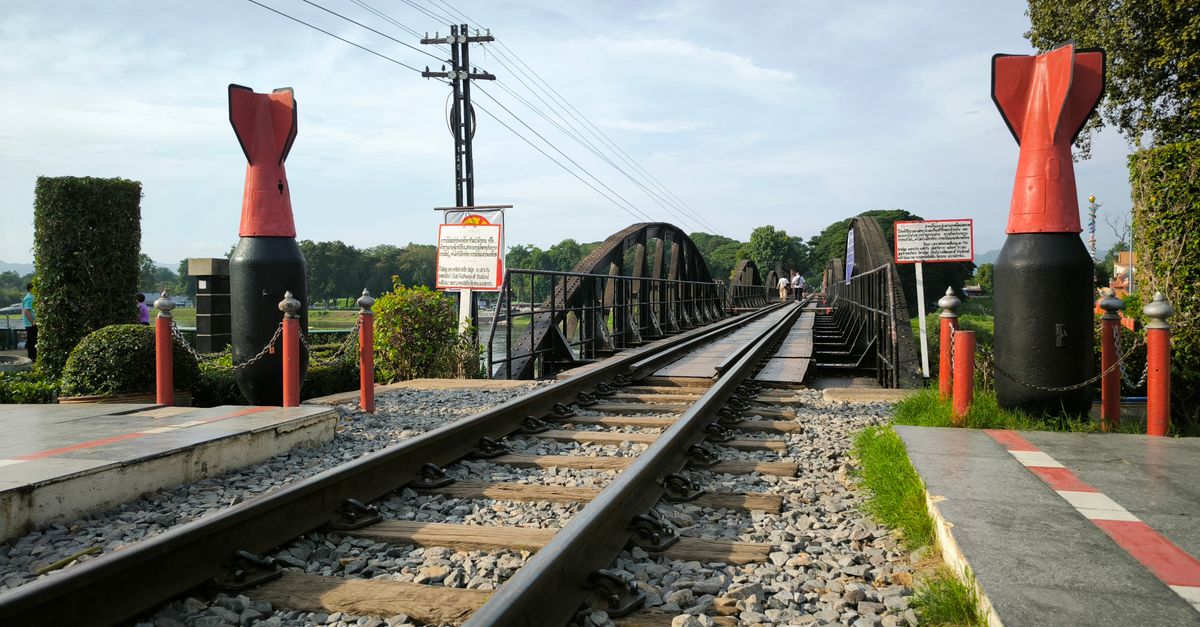
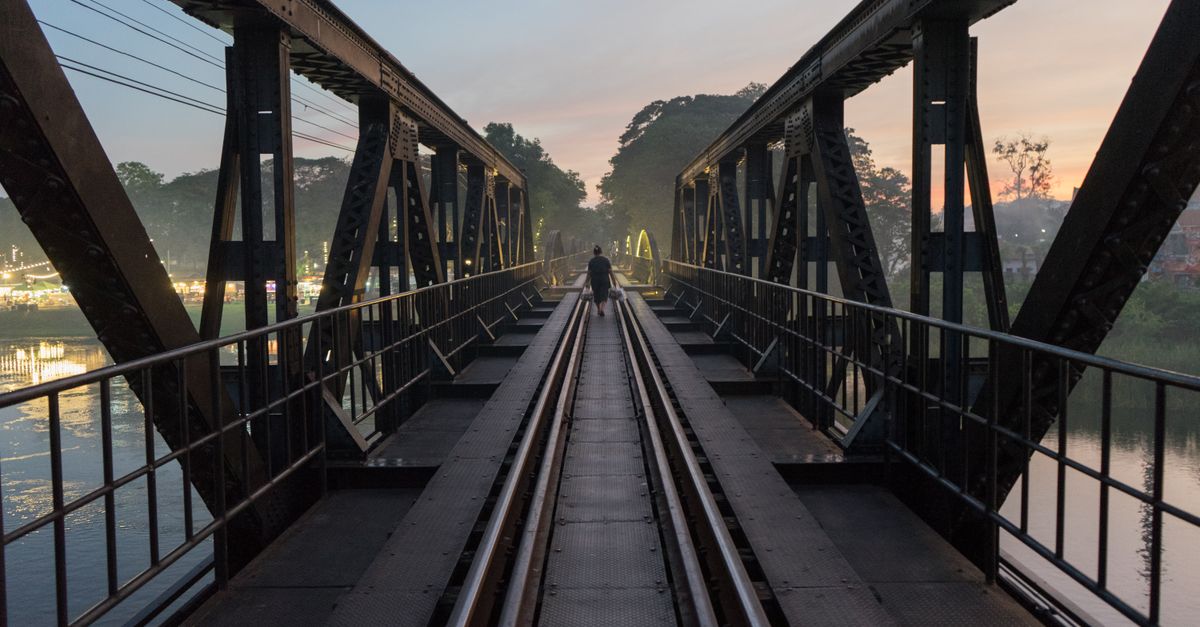
Kanchanaburi is a province steeped in history, with several key landmarks that draw visitors seeking to understand its past and appreciate its natural beauty. The most iconic is undoubtedly the Bridge over the River Kwai. This structure, made famous by the novel and film, stands as a powerful symbol of the forced labor and immense suffering endured by Allied prisoners of war and Asian laborers during the construction of the Burma Railway (also known as the Death Railway) by the Japanese Imperial Army during World War II.
Adjacent to the bridge are the poignant Kanchanaburi War Cemeteries, namely the Kanchanaburi War Cemetery and the Chung Kai War Cemetery. Maintained by the Commonwealth War Graves Commission, these serene resting places contain the graves of thousands of Allied servicemen. Walking through the immaculately kept grounds, with rows upon rows of white headstones, is a deeply moving experience, offering a quiet space for reflection on the sacrifices made.

The Thailand-Burma Railway Centre (TBRC) is an excellent museum and research facility that provides comprehensive historical context to the Death Railway. Its exhibits are detailed and informative, offering a crucial understanding of the railway’s construction, the prisoners’ plight, and the human cost. It’s an essential stop for anyone wishing to grasp the significance of the sites in Kanchanaburi.
For those interested in the natural beauty of the region, Erawan National Park is a must-visit. Famous for its stunning seven-tiered waterfall, Erawan Falls offers a refreshing escape. Each tier of the waterfall is surrounded by lush jungle and creates a series of inviting emerald pools perfect for swimming. The hike to the top is rewarding, with beautiful scenery at every level. The park also offers opportunities for wildlife spotting and trekking.
Finally, a trip on the Death Railway itself provides a tangible connection to the past. The train journey, particularly the stretch between Than Pun and Wang Pho, clings precariously to the cliffside, offering breathtaking views of the Kwai Noi River and the surrounding karst landscape. It’s a scenic and historically significant route that allows you to imagine the arduous conditions under which this railway was built.
Kanchanaburi tourism: Seasonal & Cultural Calendar (2026)
Kanchanaburi experiences a tropical monsoon climate, with distinct seasons that influence the best time to visit. The cool and dry season, running from November to February, is widely considered the prime time for tourism. During these months, temperatures are pleasant, typically ranging from the mid-20s to low 30s Celsius, with lower humidity and minimal rainfall. This weather is ideal for exploring outdoor historical sites, hiking in national parks, and enjoying boat trips on the river.
The hot season, from March to May, sees temperatures soar, often exceeding 35°C. While still visitable, outdoor activities can be challenging during the peak heat of the day. This period can be good for those who prefer fewer crowds and don’t mind the heat, perhaps focusing more on indoor museums and shaded temple visits.
The rainy season, from June to October, brings higher humidity and frequent rainfall, often in the form of heavy, short-lived downpours, particularly in the afternoon. While the rain can temporarily disrupt outdoor plans, it also brings the landscape to life, making the waterfalls like Erawan particularly spectacular. The lush greenery is at its most vibrant, and hotel prices may be lower. This season is suitable for visitors who are flexible with their itineraries and don’t mind occasional rain.
There are no major unique festivals specific to Kanchanaburi province that dominate the national calendar. However, national Thai holidays such as Songkran (Thai New Year) in April and Loy Krathong in November are celebrated throughout Thailand, including Kanchanaburi, albeit on a smaller scale than in major cities. These offer glimpses into Thai culture and traditions. For instance, during Loy Krathong, you might see locals releasing krathongs (small raft-like offerings) onto the River Kwai.
Kanchanaburi tourism: Local Culture & Dining
The culinary landscape of Kanchanaburi is a delightful reflection of Thai cuisine, with a focus on fresh, local ingredients. Expect to find vibrant flavors that are both comforting and exciting. A staple across Thailand, and certainly in Kanchanaburi, is Pad Thai, the ubiquitous stir-fried noodle dish, often enhanced with local river prawns when available.
Another local favorite is Gaeng Kiew Wan Gai, or Green Curry Chicken. The rich, aromatic curry, infused with coconut milk, bamboo shoots, and fragrant Thai basil, is a perfect example of the complex and balanced flavors Thai cooking is renowned for. For something a bit more adventurous, try Tom Yum Goong, a hot and sour shrimp soup that is a national icon. Its distinctive spicy and sour taste is achieved through lemongrass, galangal, kaffir lime leaves, and chili peppers.
Seafood, particularly freshwater fish from the Mae Klong and Kwai rivers, plays a significant role in local dishes. Look for grilled fish seasoned with herbs or spicy fish salads. Street food is abundant and offers a fantastic way to sample local specialties affordably. The air in the markets and along the riverbanks often carries the tantalizing aroma of grilling meats, fragrant spices, and sweet fruits, creating a multisensory dining experience.
Understanding local etiquette enhances any travel experience. When visiting temples, which are numerous and significant in Kanchanaburi, remember to dress modestly. This means covering your shoulders and knees. It is also customary to remove your shoes before entering temple buildings and private homes. When interacting with locals, a polite greeting, the ‘wai’ (a slight bow with hands pressed together), is appreciated, especially when addressing elders or monks. While English is spoken in tourist areas, learning a few basic Thai phrases like “sawatdee ka/krab” (hello) and “khob khun ka/krab” (thank you) can go a long way in fostering positive interactions.
Kanchanaburi tourism: Survival & Insider Tips
While Kanchanaburi is a safe destination, being aware of potential scams, though rare, is always prudent. The most common issue travelers might encounter is inflated taxi prices or touts offering “deals” that are not as good as they seem. Always agree on a fare before starting a journey in a tuk-tuk or songthaew, or ensure the meter is used in taxis. Be wary of unsolicited offers for tours or services that seem too good to be true.
When it comes to navigating neighborhoods, Kanchanaburi town is easily walkable, especially the areas around the River Kwai and the main historical sites. For exploring the wider province, such as Erawan National Park or further afield, planning your transport in advance is recommended. Local buses are a budget-friendly option for longer distances, while songthaews are great for shorter hops between attractions.
A common mistake travelers make is underestimating the heat and humidity, leading to dehydration and exhaustion. Always carry water, wear light clothing, and take breaks in shaded areas. Another tip is to factor in travel time between attractions; while distances might not seem far on a map, local road conditions and traffic can extend journey times. Don’t overschedule your days, allowing for spontaneity and rest.
Kanchanaburi tourism: Budget and costs
Kanchanaburi offers a range of accommodation options, from budget-friendly guesthouses and hostels to mid-range hotels and luxury resorts along the river. Dorm beds in hostels can start from as little as 200-300 THB per night, while a comfortable mid-range hotel room might range from 800-1500 THB. For those seeking a more immersive experience, riverside bungalows or floating accommodations can be found for around 1000-2000 THB.
Food costs are very reasonable, especially if you embrace local eateries and street food. A delicious meal from a street vendor or a local restaurant can cost between 50-150 THB. If you opt for more upscale restaurants, especially those catering to tourists, expect to pay 200-500 THB per person for a meal. Entrance fees to attractions vary; the War Cemeteries and the TBRC Museum are free or have a small donation suggested, while Erawan National Park has an entrance fee of around 300 THB for foreigners.
Transportation within Kanchanaburi town is inexpensive. Songthaews usually charge around 10-30 THB for short trips. Hiring a private taxi or songthaew for a full day to visit multiple sites can cost between 1000-1500 THB, which can be cost-effective if split among a group. Renting a scooter costs about 200-300 THB per day, but requires caution and an appropriate license.
Kanchanaburi tourism: Currency and payment methods
The official currency of Thailand is the Thai Baht (THB). Banknotes come in denominations of 20, 50, 100, 500, and 1000 Baht, while coins are in denominations of 1, 2, 5, and 10 Baht. It’s advisable to carry a mix of cash and cards.
ATMs are widely available in Kanchanaburi town and its surrounding areas, operated by major Thai banks. Most ATMs accept international cards (Visa, Mastercard, Maestro), but they usually charge a transaction fee of around 200-220 THB per withdrawal, in addition to any fees your home bank may charge. It’s a good idea to withdraw larger amounts less frequently to minimize these fees.
Credit cards are accepted in most hotels, larger restaurants, and department stores, particularly in the main town. However, for smaller guesthouses, local markets, street food vendors, and many smaller attractions, cash is essential. It is always a good practice to have enough small denominations of cash on hand for everyday purchases. Exchange bureaus are also available, offering competitive rates, especially for major currencies like USD, EUR, and GBP.
Kanchanaburi tourism: Visa and entry requirements
As of 2026, Thailand maintains a relatively welcoming visa policy for tourists. For many nationalities, particularly from Western countries and ASEAN members, entry into Thailand for tourism purposes is granted visa-free for a specific period, often 30 days, upon arrival at the airport or land border. This is typically stamped directly into your passport.
However, these regulations can change, and it is crucial for all travelers to verify the latest requirements for their specific nationality before traveling. This can be done by checking the official website of the Royal Thai Embassy or Consulate in your home country, or the website of the Thai Ministry of Foreign Affairs. Some nationalities may require a tourist visa obtained in advance from a Thai embassy or consulate abroad.
For longer stays, or for purposes other than tourism, different visa types will be necessary. Travelers should also ensure their passport is valid for at least six months beyond their intended stay and that they have at least one blank page for entry stamps. While proof of onward travel (like a return ticket) is not always asked for, it is advisable to have it available in case immigration officials request it.
Kanchanaburi tourism: Hidden Gems
Beyond the well-trodden paths, Kanchanaburi holds several hidden gems that offer a more tranquil and authentic experience. The Sai Yok Noi and Sai Yok Yai Waterfalls, located further north in Sai Yok National Park, are less crowded than Erawan and offer beautiful cascades into serene jungle surroundings. Sai Yok Yai is particularly notable for its impressive width and the wooden bridge that allows visitors to walk above the water.
For a unique cultural immersion, consider visiting a local **bamboo rafting village**. These communities offer a glimpse into traditional riverside life. Some may offer simple homestay experiences or guided raft trips down calmer stretches of the river, providing a peaceful alternative to the more tourist-oriented boat tours. The quiet glide down the river, with only the sounds of nature, is an unforgettable experience.
The Wat Tham Suea (Tiger Cave Temple), though not entirely unknown, is often overlooked by those focused solely on WWII history. This impressive temple is situated atop a hill and offers panoramic views of the surrounding countryside. The climb is substantial, but the golden Buddha statue and the intricate architecture at the summit are well worth the effort.
Another fascinating, lesser-known historical site is the Hellfire Pass Memorial Museum. This site, further along the Death Railway, is a poignant and stark reminder of the immense human cost of the railway’s construction. The museum provides a deeply moving account of the prisoners’ experiences, and the walking trail through the pass itself is incredibly atmospheric and humbling. It’s a less visited but profoundly impactful location.
| Season | Months | Average Temperature (°C) | Rainfall | Crowds | Highlights |
|---|---|---|---|---|---|
| Cool & Dry | Nov – Feb | 25 – 30°C | Low | High | Ideal for sightseeing, trekking, comfortable exploration. |
| Hot | Mar – May | 30 – 35°C+ | Low to Moderate | Moderate | Good for water activities, fewer crowds, but can be very hot. |
| Rainy | Jun – Oct | 26 – 31°C | High | Low | Lush scenery, spectacular waterfalls, lower prices, potential for itinerary disruption. |
Frequently Asked Questions
What is the most historically significant site in Kanchanaburi?
The most historically significant site is arguably the Bridge over the River Kwai and the associated Death Railway, which stand as powerful reminders of the immense human suffering during World War II. The Kanchanaburi War Cemeteries and the Thailand-Burma Railway Centre museum offer essential context and provide a place for solemn reflection.
Is Kanchanaburi suitable for solo travelers?
Yes, Kanchanaburi is very suitable for solo travelers. It is a safe province with a friendly atmosphere. Many guesthouses and hostels cater to solo travelers, and public transport options make it easy to get around. The historical sites encourage reflection, and the natural beauty offers peaceful moments.
What kind of food should I try in Kanchanaburi?
You should definitely try local specialties that often feature fresh river fish. Pad Thai, Green Curry (Gaeng Kiew Wan), and Tom Yum Goong are Thai classics that are widely available and delicious. Don’t miss out on trying any available river prawns or local grilled fish dishes. Sampling street food is also highly recommended for an authentic taste of the region.
How do I get to Kanchanaburi from Bangkok?
The most common and affordable way to get to Kanchanaburi from Bangkok is by public bus or minivan from Bangkok’s Southern Bus Terminal (Sai Tai Mai) or Northern Bus Terminal (Mo Chit). The journey takes approximately 2-3 hours. Alternatively, you can take a train from Bangkok’s Thon Buri railway station, though this is a slower option.
Is it necessary to book accommodation in advance?
During the peak season (November to February), especially around holidays, it is highly recommended to book accommodation in advance to secure your preferred choice of lodging. Outside of these periods or for budget options, you may find availability upon arrival, but pre-booking offers peace of mind and often better rates.
Dos and Don’ts: Essential Etiquette for Interacting with Locals
- Do smile and be polite. A friendly demeanor goes a long way in Thailand.
- Do show respect for the monarchy and Buddhism. Avoid making critical remarks about the King or Buddhist practices.
- Do dress modestly when visiting temples or religious sites, covering shoulders and knees.
- Don’t touch someone’s head; it is considered the most sacred part of the body.
- Don’t point your feet at people or religious icons, as feet are considered the lowest part of the body.
Essential Tools for Your Kanchanaburi Trip
- Comfortable walking shoes: For exploring historical sites and national parks.
- Insect repellent: Essential, especially during dawn and dusk and in jungle areas.
- Sun protection: Sunscreen, a hat, and sunglasses are vital due to the tropical sun.
- Reusable water bottle: To stay hydrated and reduce plastic waste.
- Small backpack: For day trips to carry water, snacks, and personal items.
- Universal travel adapter: Though Thailand uses Type A and C outlets, a universal adapter is handy.
Have you already planned your journey through the poignant history and natural beauty of Kanchanaburi, or is this the beginning of your exploration?