
content_type = travel_place_guide
Tokyo travel guide: Your ultimate resource for 2026
Welcome to Tokyo, a sprawling metropolis where ancient traditions seamlessly blend with cutting-edge modernity. This comprehensive Tokyo travel guide is your passport to navigating the vibrant heart of Japan in 2026. From its iconic skyscrapers and serene gardens to its bustling markets and world-class culinary scene, Tokyo offers an unparalleled travel experience that will captivate every sense.
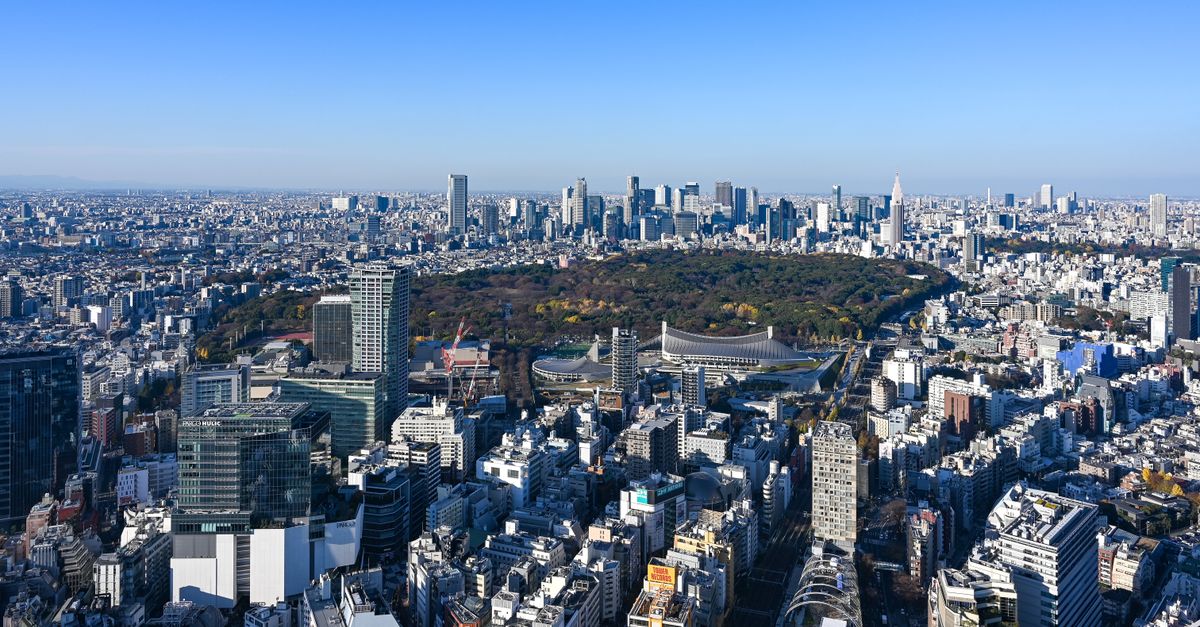
Tokyo at a glance
Best time to visit: Spring (March-May) for cherry blossoms and Autumn (September-November) for vibrant foliage.
Top 2026 highlight: Anticipate the city buzzing with renewed energy, potentially hosting international events and showcasing innovative urban development.
City: Tokyo
Weather: Generally temperate, with hot and humid summers, cold winters, and mild spring and autumn seasons.
Gear: Comfortable walking shoes are essential. Pack layers, an umbrella, and a portable charger for your devices.
Sensory vibe: A constant hum of activity, punctuated by the chime of train station jingles, the aroma of street food, and the dazzling spectacle of neon lights.
2026 logistics & essentials for your Tokyo adventure
Navigating Tokyo in 2026 is smoother than ever with streamlined entry processes and readily available resources. While Japan is known for its safety, understanding local protocols will enhance your experience.
Visas & Entry: For many nationalities, short-term tourist stays do not require a visa. However, it’s crucial to check the latest regulations for ETIAS (European Travel Information and Authorisation System) and EES (Entry/Exit System) if applicable to your travel origin, as these systems may evolve. Always refer to the official Japanese Ministry of Foreign Affairs website for the most up-to-date information.
Currency: The official currency is the Japanese Yen (JPY). While credit cards are increasingly accepted, especially in larger establishments, carrying some cash is advisable for smaller shops, local eateries, and transportation. ATMs are widely available in convenience stores and post offices, often accepting international cards.
Safety: Tokyo is one of the safest cities in the world, with very low crime rates. However, it’s always wise to be aware of your surroundings, particularly in crowded areas. Emergency services are efficient and reliable.
Daily Budget Table (Estimated per person, per day, excluding flights):
| Category | Budget (JPY) | Notes |
|---|---|---|
| Accommodation (Mid-range) | 8,000 – 15,000 | Varies by type and location. |
| Food | 4,000 – 7,000 | Can be lower with convenience store meals, higher with fine dining. |
| Transportation | 1,000 – 2,000 | Using public transport extensively. |
| Activities & Sightseeing | 2,000 – 5,000 | Depending on chosen attractions. |
| Miscellaneous | 1,000 – 3,000 | Souvenirs, snacks, etc. |
| Total Estimated Daily Budget | 16,000 – 32,000 | ~ $100 – $210 USD (approx.) |
Must-see destinations & landmarks in Tokyo
Tokyo is a city of contrasts, where serene historical sites stand proudly amidst futuristic architecture. Discovering its iconic landmarks is an essential part of any visit.
1. Senso-ji Temple (Asakusa): Step back in time at Tokyo’s oldest temple, a vibrant hub of spiritual and cultural activity. The Nakamise-dori market leading up to the temple is a lively street filled with traditional snacks and souvenirs, offering a sensory overload of sights, sounds, and smells. The imposing Kaminarimon Gate with its giant red lantern is an unforgettable photo opportunity.
2. Shibuya Crossing: Experience the electrifying energy of the world’s busiest intersection. Witness the organized chaos as hundreds, sometimes thousands, of people cross from all directions simultaneously. For a prime view, head to the Starbucks overlooking the crossing or the Mag’s Park rooftop at Magnet by Shibuya 109.
3. Meiji Jingu Shrine: Find tranquility amidst the urban bustle at this peaceful oasis dedicated to Emperor Meiji and Empress Shoken. The towering torii gates mark the entrance to a serene forest that transports you far from the city’s clamor. The gravel paths crunch softly underfoot, and the air is filled with the scent of cedar.
4. Tokyo Skytree: Ascend this modern marvel for breathtaking panoramic views of the sprawling metropolis. On a clear day, you might even catch a glimpse of Mount Fuji. The sheer scale of Tokyo unfolds beneath you, a tapestry of lights and structures stretching to the horizon.
5. Imperial Palace East Garden: While the inner grounds of the Imperial Palace are generally not accessible to the public, the East Garden offers a glimpse into the former site of Edo Castle. Wander through manicured lawns, ancient stone walls, and remnants of the castle’s past, providing a historical counterpoint to the modern city.
![[Alt2]](https://images.pexels.com/photos/31298879/pexels-photo-31298879.jpeg?auto=compress&cs=tinysrgb&fit=crop&h=627&w=1200?auto=compress&cs=tinysrgb&fit=crop&h=627&w=1200 "Tokyo 2026 Guide: Best Things to Do in Japan’s Modern Capital 10")
Tokyo’s seasonal & cultural calendar for 2026
Tokyo’s allure shifts with the seasons, each offering unique experiences and festivals that showcase the depth of Japanese culture.
Spring (March-May): This is undoubtedly the most popular time to visit, primarily for the iconic cherry blossom (sakura) season. Parks and riverbanks explode in a symphony of delicate pink and white blooms, creating a magical atmosphere. Events like the Ueno Cherry Blossom Festival and the Chiyoda Cherry Blossom Festival draw crowds eager to partake in hanami (flower viewing picnics). The weather is mild and pleasant, perfect for exploring.
Summer (June-August): Summer in Tokyo is characterized by heat and humidity, often accompanied by a rainy season in June and July. Despite the heat, it’s a vibrant period filled with colorful festivals (matsuri), fireworks displays along the Sumida River, and lively street parades. The Gion Matsuri in Kyoto might inspire similar local celebrations across Tokyo’s wards. The energy is high, and the nights are filled with the sounds of cicadas and distant music.
Autumn (September-November): As the summer heat subsides, Tokyo transforms into a canvas of stunning autumn foliage. Parks like Rikugien Gardens and the Imperial Palace East Garden offer breathtaking views of red, orange, and yellow hues. The Tokyo International Film Festival often takes place in late October, and various food festivals celebrate the harvest season. The crisp air makes it ideal for walking and outdoor exploration.
Winter (December-February): While chilly, Tokyo’s winter is brightened by spectacular illuminations that adorn the city’s streets and shopping districts. Expect fewer crowds, making it a great time to explore popular attractions. The Japanese New Year (Oshogatsu) is a significant cultural event, with many temples and shrines hosting special ceremonies. Hot pot dishes and warm sake offer comfort against the cold.
Immerse yourself in local culture & dining
Tokyo’s culture is a intricate tapestry woven from ancient customs and modern sensibilities. Engaging with local etiquette and savoring its unique cuisine is key to a fulfilling visit.
Local Dishes to Savor: Prepare your taste buds for an unforgettable journey. Tokyo is a culinary paradise, offering everything from refined kaiseki meals to hearty street food. Don’t miss trying authentic sushi and sashimi, where the freshness of the ingredients is paramount. Ramen, with its diverse broths and toppings, is a staple that varies wildly by region and shop. Tempura, lightly battered and deep-fried seafood and vegetables, offers a delicate crunch. For a comforting meal, try udon or soba noodles. Yakitori, grilled skewers of chicken and vegetables, are a popular izakaya (Japanese pub) snack.
Dining Etiquette: While Tokyo is generally welcoming, understanding a few key etiquette points will enhance your dining experiences. It’s customary to say “Itadakimasu” before eating and “Gochisosama deshita” after finishing your meal. Slurping noodles is not considered rude; in fact, it can be a sign of enjoyment. Avoid sticking your chopsticks upright in your rice bowl, as this resembles an offering for the deceased. Tipping is not customary in Japan and can sometimes cause confusion.
The Sensory Symphony of Tokyo: Beyond the visual feast, Tokyo engages all your senses. The air in Tsukiji Outer Market is thick with the briny scent of fresh seafood and the sizzle of grilling. In a traditional izakaya, the air might carry the comforting aroma of soy sauce and grilled meats, accompanied by the lively chatter of patrons. The soundscape is a constant hum of announcements at train stations, the gentle chime of shop bells, the distant roar of traffic, and the melodic announcements that echo through subway cars. Even the quietude of a temple garden has its own distinct auditory texture – the rustle of leaves, the distant murmur of prayer.
Tokyo survival & insider tips for 2026
To truly make the most of your Tokyo trip, arm yourself with practical advice and insider knowledge to avoid common pitfalls and discover the city’s hidden gems.
Navigating Transportation: Tokyo’s public transportation system, particularly its extensive train and subway network, is exceptionally efficient. Purchase a Suica or Pasmo card for seamless travel; you can tap and go, and even use them at many convenience stores. While English signage is increasingly common, having a translation app can be invaluable.
Common Scams (Rare but good to be aware of): While Tokyo is incredibly safe, be aware of overly aggressive touts in entertainment districts, especially in areas like Kabukicho, who may try to lure you into overpriced establishments. Always confirm prices before agreeing to services.
Understanding Neighborhoods: Each district in Tokyo has its own distinct personality. Shinjuku is a hub for entertainment and business, with the Tokyo Metropolitan Government Building offering free panoramic views. Harajuku is famous for its vibrant street style and quirky shops. Ginza is the upscale shopping district, while Yanaka offers a glimpse into old Tokyo with its traditional shops and temples.
Common Mistakes to Avoid: Speaking loudly on public transport is generally frowned upon. Trying to hail a taxi during peak hours can be challenging; the subway is often a more reliable option. Don’t be afraid to get lost – sometimes the best discoveries happen when you venture off the beaten path.

Budgeting & Costs in Tokyo for 2026
Planning your finances is crucial for a stress-free trip. Tokyo offers options for every budget, from backpacker-friendly to luxury experiences.
Estimated Costs Breakdown: As detailed in the daily budget table, accommodation will likely be your largest expense, followed by food and activities. Transportation is relatively affordable due to the efficiency of public transport.
Currency & Payment Methods: The Japanese Yen (JPY) is the standard. While cards are more widely accepted than before, it’s essential to have cash on hand. Many convenience stores (like 7-Eleven, FamilyMart, Lawson) have ATMs that accept international cards. Exchange services are available at airports and major banks.
Visa & Entry Requirements: As mentioned, most tourists from visa-waiver countries can enter for up to 90 days without a visa. Always verify the latest requirements for your specific nationality on official government websites well in advance of your travel dates. Be prepared to show proof of onward travel or sufficient funds if requested.
Hidden Gems of Tokyo
Beyond the famous landmarks, Tokyo hides countless lesser-known treasures waiting to be discovered by the intrepid traveler.
Yanaka Ginza: This charming shopping street in the Yanaka district retains a nostalgic atmosphere of Tokyo from decades past. It’s a perfect place to wander, sample local snacks, and find unique souvenirs away from the tourist throngs.
Shimokitazawa: Known for its bohemian vibe, Shimokitazawa is a haven for vintage clothing stores, independent boutiques, cozy cafes, and small theaters. The narrow streets are a joy to explore, offering a more laid-back and artistic side of Tokyo.
Omoide Yokocho (Memory Lane) / Golden Gai: These atmospheric alleyways in Shinjuku are packed with tiny, dimly lit bars and eateries, each with its own unique character. It’s an intimate way to experience Tokyo’s nightlife, though some establishments can be exclusive.
Kichijoji: Consistently voted one of Tokyo’s most desirable places to live, Kichijoji offers a blend of chic shopping, diverse dining, and access to the beautiful Inokashira Park. The Ghibli Museum (advance booking essential) is also located nearby.
Seasonal Comparison for Tokyo
| Season | Pros | Cons | Key Attractions/Events |
|---|---|---|---|
| Spring (Mar-May) | Cherry blossoms, pleasant weather, fewer crowds initially. | Peak season prices, can be crowded. | Sakura festivals, outdoor markets. |
| Summer (Jun-Aug) | Vibrant festivals, lively atmosphere, fireworks. | Hot and humid, rainy season (June/July). | Matsuri, summer fireworks, street performances. |
| Autumn (Sep-Nov) | Autumn foliage, crisp weather, cultural events. | Can still be popular, potential typhoons early in season. | Koyo (fall colors), food festivals, film festivals. |
| Winter (Dec-Feb) | Beautiful illuminations, fewer crowds, unique New Year’s experiences. | Cold weather, shorter daylight hours. | Winter illuminations, New Year’s celebrations. |
Frequently Asked Questions about Tokyo
Is Tokyo safe for solo female travelers in 2026?
Yes, Tokyo is exceptionally safe for solo female travelers. Crime rates are very low, and the public transport system is efficient and well-lit. It’s advisable to use common sense as you would in any major city, but you can generally feel very secure.
What is the best way to get around Tokyo?
Tokyo’s extensive and efficient train and subway network is the most recommended way to get around. Purchase a rechargeable IC card like Suica or Pasmo for seamless travel. Walking is also great for exploring specific neighborhoods.
Do I need to know Japanese to visit Tokyo?
While knowing some basic Japanese phrases is appreciated, it’s not essential for navigating Tokyo as a tourist. Major tourist areas, hotels, and transport hubs usually have English signage and staff who can assist. Having a translation app on your phone is highly recommended.
What are the must-try foods in Tokyo?
You must try sushi and sashimi for their freshness, ramen for its hearty flavors, tempura for its delicate crispiness, and yakitori for a savory snack. Don’t forget to explore local convenience store snacks and pastries as well.
What is the etiquette for using chopsticks?
Avoid sticking chopsticks upright in your rice bowl, passing food directly from chopstick to chopstick, or using them to point. When not in use, rest them on a chopstick rest (hashioki) or the edge of your bowl.
Essential Tools for your Tokyo Trip
Equip yourself with these tools to enhance your Tokyo experience.
- Pocket Wi-Fi or Local SIM Card: Essential for navigation, communication, and quick translations.
- Japan Rail Pass (if applicable): Consider if you plan extensive travel outside Tokyo. For city travel only, it’s not cost-effective.
- Translation App: Google Translate or similar apps with offline capabilities are invaluable.
- Currency Converter App: Helps manage your budget on the go.
- Comfortable Walking Shoes: You’ll be doing a lot of walking!
- Portable Power Bank: To keep your devices charged throughout the day.
Mini Tokyo Trip Guide: A 5-Day Itinerary Example
This is a suggested itinerary and can be customized based on your interests.
- Day 1: Arrival & Shinjuku Exploration. Arrive, check into your accommodation. Explore Shinjuku Gyoen National Garden, then head to the Tokyo Metropolitan Government Building for free city views. Evening exploration of Omoide Yokocho or Golden Gai.
- Day 2: Culture & Tradition. Morning visit to Senso-ji Temple in Asakusa. Explore Nakamise-dori. Afternoon at Meiji Jingu Shrine, followed by people-watching in Harajuku.
- Day 3: Modern Tokyo & Views. Experience the Shibuya Crossing. Visit the Imperial Palace East Garden. Ascend the Tokyo Skytree for panoramic views.
- Day 4: Art & Hidden Gems. Explore the artistic district of Shimokitazawa for vintage finds and cafes, or visit a specific museum like the Ghibli Museum (requires pre-booking).
- Day 5: Market & Departure. Morning visit to Tsukiji Outer Market for a seafood breakfast and souvenir shopping. Final exploration of a neighborhood you enjoyed or wish to revisit before departing.
Are you ready to immerse yourself in the unparalleled magic of Tokyo in 2026?