
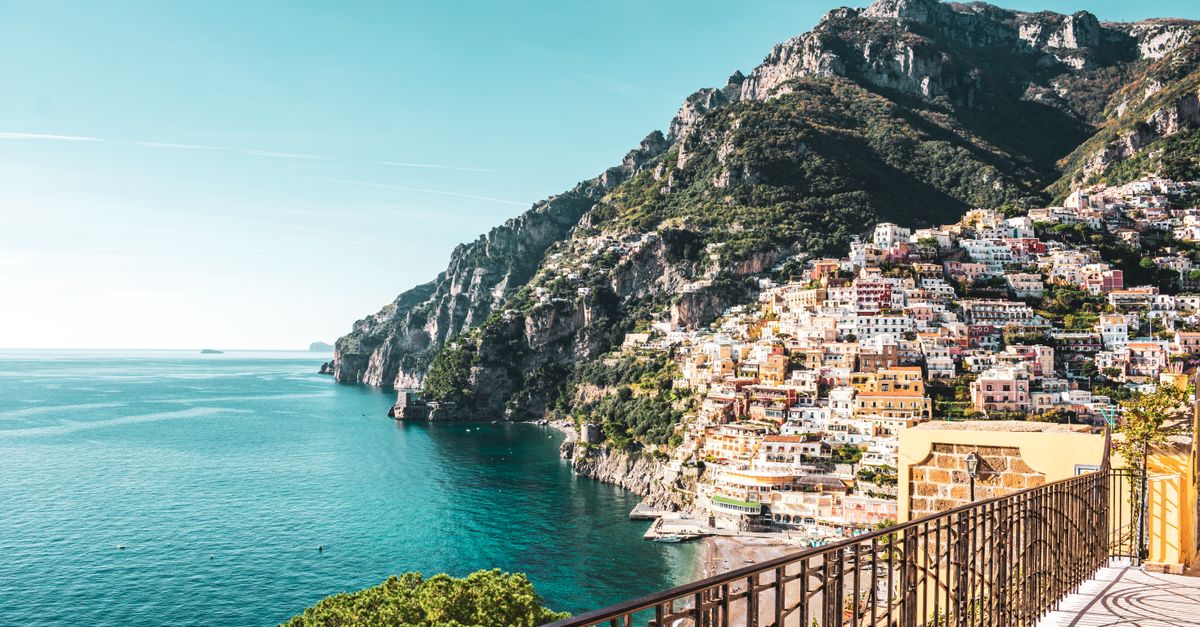
The Amalfi Coast, a UNESCO World Heritage site, beckons with its dramatic cliffs, azure waters, and pastel-hued villages clinging precariously to the mountainside. This legendary stretch of Italian coastline, a jewel of Campania, offers an unparalleled blend of natural beauty, rich history, and vibrant culture. From the chic allure of Positano to the historic grandeur of Amalfi and the serene heights of Ravello, each town presents a unique facet of this Mediterranean paradise, promising an unforgettable experience for every traveler.

Best time to visit: Late spring (May-June) and early autumn (September-October) offer pleasant weather and fewer crowds.
Top 2026 highlight: Experiencing the vibrant local festivals and enjoying the coastline’s natural splendor before the peak summer rush.
Identity Card: Amalfi Coast Cities
City: Positano, Amalfi, Ravello (among others)
Weather: Mediterranean climate; hot, dry summers; mild, wet winters.
Gear: Comfortable walking shoes, light clothing, swimwear, sun protection (hat, sunscreen), a light jacket for evenings, and a good camera.
Sensory vibe: A symphony of scents from lemon groves and sea salt, the sound of lapping waves and distant church bells, and the breathtaking visual feast of colorful villages against the blue sea.
2026 logistics & essentials
Planning your 2026 adventure to the Amalfi Coast requires attention to a few key logistical details to ensure a smooth and enjoyable journey. For travelers from outside the Schengen Area, understanding the new ETIAS (European Travel Information and Authorisation System) and EES (Entry/Exit System) will be crucial for entry into Italy. While ETIAS is not a visa, it is a mandatory travel authorization for visa-exempt non-EU citizens, and EES will streamline border checks. Italy’s currency is the Euro (EUR). Credit cards are widely accepted in most hotels, restaurants, and larger shops, but it’s always wise to carry some cash for smaller purchases, local markets, or smaller trattorias. Safety on the Amalfi Coast is generally high, with petty crime being the most common concern, primarily pickpocketing in crowded areas. Staying aware of your surroundings, especially in popular tourist spots and on public transport, is advisable. A daily budget can vary significantly depending on your travel style. A mid-range traveler might expect to spend between €150-€250 per person per day, covering accommodation, meals, local transport, and modest activities. Budget travelers can aim for closer to €70-€120, while luxury travelers can easily exceed €300+. This estimate excludes flights to Italy and major shopping expenses.
| Category | Budget Traveler (€/day) | Mid-Range Traveler (€/day) | Luxury Traveler (€/day) |
|---|---|---|---|
| Accommodation | 30-60 | 80-150 | 200+ |
| Food & Drink | 25-40 | 40-70 | 80-120 |
| Local Transport & Activities | 15-30 | 30-50 | 70-100 |
| Total Estimate | 70-130 | 150-270 | 350+ |
Destinations & landmarks
The Amalfi Coast is a tapestry woven with breathtaking towns and iconic landmarks, each offering a unique perspective on Italian coastal life. Positano, perhaps the most photogenic of all, tumbles down the cliffside in a cascade of colorful buildings adorned with bougainvillea. Wander its steep, narrow lanes, lined with chic boutiques and artisan ceramic shops, and descend to the Spiaggia Grande beach, where vibrant umbrellas dot the pebbled shore. The Church of Santa Maria Assunta, with its majolica-tiled dome, stands as a central beacon. Further along the coast, the historic maritime republic of Amalfi offers a glimpse into its powerful past. Its magnificent Duomo di Sant’Andrea, a stunning Arab-Norman cathedral, dominates the main piazza with its intricate facade and bronze doors. The town’s Paper Museum (Museo della Carta) tells the story of Amalfi’s centuries-old papermaking tradition.
Perched high above the sea, Ravello offers an unparalleled sense of tranquility and some of the most spectacular panoramic views on the coast. Famous for its stunning villas and gardens, Villa Rufolo, with its Moorish influences and terraced gardens, has inspired artists and musicians for centuries, notably Richard Wagner. Villa Cimbrone is renowned for its “Terrace of Infinity,” an iconic spot offering a jaw-dropping vista of the Tyrrhenian Sea. For those seeking a more laid-back experience, the charming village of Atrani, one of Italy’s smallest municipalities, retains an authentic, untouched feel, with its picturesque piazza and secluded beach. Finally, the island of Capri, a short ferry ride away, is a must-visit for its Blue Grotto, the Faraglioni rock formations, and the glamorous town center, offering a taste of pure Italian dolce vita.
Seasonal & cultural calendar (2026)
The Amalfi Coast unfolds its beauty throughout the year, with distinct experiences awaiting visitors in each season. The shoulder seasons, late spring (May to June) and early autumn (September to October), are widely considered the best times to visit. During these months, the weather is typically warm and sunny, ideal for exploring the towns and beaches, without the intense heat and crowds of mid-summer. The bougainvillea and lemon trees are in full bloom in spring, painting the landscape with vibrant colors. Autumn offers the same pleasant temperatures, with the added charm of the grape harvest and a more relaxed atmosphere.
Summer (July to August) is peak season, characterized by hot, sunny days and lively evenings. This is the time for sunbathers and those who enjoy a buzzing atmosphere, with every cafe and piazza alive with activity. However, expect higher prices and significant crowds, particularly in popular spots like Positano and Amalfi. Winter (November to March) brings a quieter, more authentic experience. The weather is cooler and can be rainy, but the dramatic landscapes are still beautiful, and you’ll find fewer tourists, allowing for a more intimate exploration. Many hotels and restaurants close for the season, but the main towns remain accessible, offering a peaceful respite.
Culturally, the Amalfi Coast is rich with local festivals and traditions. The Feast of St. Andrew (Festa di Sant’Andrea), patron saint of Amalfi, is celebrated on November 30th with religious processions and fireworks. In Ravello, the Ravello Festival typically runs through the summer months, featuring classical music concerts and other cultural events in stunning open-air settings, often at Villa Rufolo. Throughout the year, local villages host sagre (food festivals) celebrating regional specialties, from lemons to seafood, offering a delicious insight into local life.
Local culture & dining
The soul of the Amalfi Coast resides in its vibrant local culture and its exquisite culinary traditions. Life here moves at a different pace, dictated by the rhythm of the sea and the warmth of the sun. The Amalfi people are known for their hospitality, a blend of genuine warmth and a deep pride in their heritage. You’ll find this reflected in the bustling piazzas, where locals gather to socialize, and in the trattorias, where family recipes are cherished.
The air itself is perfumed with the intoxicating scent of lemons, grown in terraced groves that cling to the hillsides. This iconic citrus fruit is a star ingredient in many dishes, from the refreshing limoncello liqueur to delicate lemon-infused pasta sauces and desserts. Seafood reigns supreme, with the freshest catches brought in daily from the Tyrrhenian Sea. Expect to savor dishes like Spaghetti alle Vongole (spaghetti with clams), Pesce all’Acqua Pazza (fish poached in “crazy water” with tomatoes and herbs), and the local specialty, Scialatielli ai Frutti di Mare, a thick, fresh pasta tossed with an assortment of shellfish. Don’t miss out on Delizia al Limone, a light and airy sponge cake soaked in limoncello syrup and filled with lemon cream.
The dining experience is as much about the atmosphere as the food. Many restaurants offer breathtaking sea views, where you can enjoy your meal accompanied by the sound of the waves. When dining, a few local customs to observe include a relaxed pace; meals are meant to be savored. Tipping is not always expected as service is often included, but a small gesture for excellent service is always appreciated. The primary “smell” of the coast is undoubtedly the zesty aroma of lemons mingling with the salty tang of the sea, punctuated by the fragrance of blooming jasmine and the occasional whiff of fresh basil or oregano from a nearby kitchen. The “sound” is a melody of lapping waves, the distant hum of scooters navigating winding roads, cheerful Italian chatter, and the resonant toll of church bells marking the hours.
Survival & insider tips
Navigating the Amalfi Coast like a seasoned traveler involves being aware of common pitfalls and embracing local wisdom. While generally safe, watch out for scams targeting tourists. Be wary of overly persistent street vendors, inflated prices for taxi rides (always agree on a fare beforehand), and unsolicited help, especially at transport hubs. Always verify prices before ordering if not clearly displayed.
When it comes to neighborhoods, each town has its charm. Positano is steep and glamorous, best explored on foot with an understanding of its vertical layout. Amalfi is flatter and more historical, with its main attractions concentrated around the Duomo. Ravello offers peace and incredible views, requiring transport to reach its higher elevations. For a more authentic, less crowded experience, consider exploring smaller villages like Praiano or Furore, which offer similar stunning scenery with a more local feel.
A common mistake is trying to see too much in too little time. The Amalfi Coast is best enjoyed at a relaxed pace. Rushing between towns via crowded buses or ferries can diminish the experience. Instead, choose a base and explore its surroundings thoroughly, or dedicate more time to fewer locations. Another misstep is underestimating the terrain; the Amalfi Coast is incredibly hilly and involves many stairs. Comfortable, sturdy walking shoes are an absolute must.

Budget and costs
The Amalfi Coast, while undeniably beautiful, can also be a significant investment. Costs vary greatly depending on the time of year, your accommodation choices, and dining habits. The shoulder seasons (May, June, September, October) generally offer better value than the peak summer months (July, August), where prices for flights, accommodation, and even basic services can be substantially higher. Budget travelers might look at guesthouses or apartments slightly off the main tourist paths, or consider staying in towns like Sorrento (which offers easier transport links) and taking day trips. Mid-range travelers can find comfortable hotels and enjoy excellent meals at local trattorias, while luxury seekers will find opulent hotels and fine dining experiences.
Currency and payment methods
The official currency across the Amalfi Coast, as with the rest of Italy, is the Euro (€). While credit cards (Visa, Mastercard, American Express) are widely accepted in hotels, restaurants, and larger retail establishments, it is highly recommended to carry a reasonable amount of cash. Smaller cafes, local markets, souvenir shops, and some taxis may prefer or only accept cash payments. ATMs (Bancomat) are readily available in most towns, but it’s wise to inform your bank of your travel dates to avoid any card blocks. Some smaller establishments might have a minimum spend for credit card transactions.
Visa and entry requirements
For travelers from outside the European Union, understanding Italy’s visa and entry requirements is paramount. As of 2025, citizens from visa-exempt countries will need to apply for an ETIAS (European Travel Information and Authorisation System) authorization before traveling to the Schengen Area, which includes Italy. This is an electronic travel permit, not a visa, and is designed to enhance security and streamline border crossings. Additionally, the new EES (Entry/Exit System) will digitally register travelers from non-EU countries each time they cross an EU border. It is essential to check the latest official government websites for the most up-to-date information regarding these systems and any specific visa requirements based on your nationality well in advance of your trip.
Hidden Gems
Beyond the famous postcard views, the Amalfi Coast holds quieter treasures. Praiano, nestled between Positano and Amalfi, offers stunning sunset views and a more tranquil atmosphere, with charming churches and hiking trails like the Path of the Gods nearby. For those seeking a truly authentic experience, the village of Furore, with its dramatic fjord and tiny beach, feels like stepping back in time. The Valle delle Ferriere, a protected nature reserve accessible from Amalfi, offers a refreshing hiking experience through lush vegetation, waterfalls, and ancient ruins, a stark contrast to the coastal bustle. Even within the popular towns, exploring alleyways away from the main thoroughfares often leads to delightful discoveries, from artisan workshops to quiet local eateries.
Comparison Table: Best times to visit the Amalfi Coast
| Season | When | Pros | Cons | Ideal For |
|---|---|---|---|---|
| Spring | April – June | Pleasant weather, blooming flowers, fewer crowds than summer, vibrant green landscapes. | Sea might still be cool for swimming early on, some services might not be fully operational until May. | Sightseeing, hiking, photography, experiencing local culture before peak season. |
| Summer | July – August | Hot, sunny weather perfect for beach activities, lively atmosphere, all services operational. | Peak crowds, highest prices, intense heat, can be difficult to get around due to traffic. | Beach lovers, nightlife seekers, those who enjoy a buzzing environment. |
| Autumn | September – October | Warm weather, less crowded than summer, beautiful light for photography, harvest season for local produce. | Sea starts to cool down, evenings can become crisp. | Foodies, photographers, those seeking a balance of good weather and fewer crowds. |
| Winter | November – March | Fewest crowds, lowest prices, authentic local life, dramatic and serene landscapes. | Cool to cold weather, high chance of rain, many hotels and restaurants closed, limited ferry services. | Budget travelers, those seeking solitude and a quiet escape. |
Frequently Asked Questions
What is the best way to travel between towns on the Amalfi Coast?
The most popular ways to travel between towns are by SITA bus, ferry, or private car/taxi. The SITA bus is economical but can be crowded and slow due to winding roads. Ferries offer scenic views and are faster during the high season, connecting major towns like Positano, Amalfi, and Capri. Private transfers offer the most comfort and flexibility but are the most expensive option.
Is it possible to hike the Path of the Gods without a guide?
Yes, the Path of the Gods (Sentiero degli Dei) is generally well-marked and can be hiked independently. It’s recommended to wear appropriate footwear, carry plenty of water, and check weather conditions beforehand. The most common starting points are Bomerano (near Agerola) and Nocelle (above Positano).
When is the best time to visit for fewer crowds and good weather?
The shoulder seasons, specifically May, June, September, and October, offer the ideal balance of pleasant weather and significantly fewer crowds compared to the peak summer months of July and August.
What are the must-try local foods on the Amalfi Coast?
You absolutely must try dishes featuring local lemons, such as Delizia al Limone and Limoncello. Seafood is also a highlight; look for Spaghetti alle Vongole, Scialatielli ai Frutti di Mare, and fresh grilled fish. Don’t forget local mozzarella and pastries like Sfogliatella.
Are the Amalfi Coast roads safe for driving?
Driving on the Amalfi Coast can be challenging due to narrow, winding roads with steep drops and heavy traffic, especially during peak season. If you are not an experienced driver comfortable with such conditions, it is often recommended to use public transport (buses and ferries) or hire a driver.
Dos and Don’ts: 5 tips for dealing with locals
- Do greet shopkeepers and restaurant staff with a friendly “Buongiorno” (good morning) or “Buonasera” (good evening).
- Don’t be overly loud or disruptive, especially in residential areas or during siesta hours (typically 1 PM – 4 PM).
- Do try to learn a few basic Italian phrases; locals appreciate the effort.
- Don’t haggle aggressively in shops; prices are usually fixed, and polite negotiation is rare.
- Do embrace the slower pace of life; relax and enjoy the experience rather than rushing.
Essential Tools
To make the most of your Amalfi Coast adventure, consider packing these essential tools: a good quality camera to capture the breathtaking scenery, a portable power bank to keep your devices charged on the go, a reusable water bottle to stay hydrated and reduce plastic waste, and a Spanish-English phrasebook or translation app for communication.
Quick Map
[A conceptual description of a map would go here, detailing the relative locations of key towns like Positano, Amalfi, Ravello, and connections to Naples or Salerno. A real implementation would use an embedded map service.]
Mini Trip Guide: 3 Days on the Amalfi Coast
Day 1: Positano’s Charm. Arrive and check into your accommodation. Spend the afternoon exploring Positano’s steep streets, browsing boutiques, and relaxing on Spiaggia Grande. Enjoy aperitivo with a view as the sun sets, followed by a seafood dinner.
Day 2: Amalfi’s History & Ravello’s Views. Take a ferry or bus to Amalfi. Visit the Duomo and explore the town. In the afternoon, take a bus or taxi up to Ravello. Wander through the gardens of Villa Rufolo and Villa Cimbrone, soaking in the panoramic vistas. Enjoy dinner in Ravello or back down in Amalfi.
Day 3: Island Escape or Coastal Exploration. Option 1: Take a ferry to the island of Capri for a day trip, visiting the Blue Grotto and exploring Capri town. Option 2: Explore a quieter town like Praiano or Atrani, or hike a portion of the Path of the Gods.
Travel Budget Analysis
A realistic budget for a 7-day trip to the Amalfi Coast for one person can range from €1,000 (budget) to €3,000+ (mid-range to luxury), excluding flights. This breakdown assumes roughly €100-€200 per day for mid-range, covering accommodation, meals, local transport, and moderate activities. Adjust based on your personal travel style, preferred dining, and the season of your visit.
What aspect of the Amalfi Coast’s enchanting beauty are you most eager to discover first?