
Embarking on Barcelona sightseeing in 2026 promises an unforgettable journey through a city where history, art, and vibrant modern life intertwine seamlessly. From the whimsical spires of Gaudí’s architectural masterpieces to the sun-drenched beaches and bustling markets, Barcelona offers a sensory tapestry that captivates every visitor. This guide is engineered to be your definitive companion, ensuring you navigate the city with the insight of a seasoned traveler and the confidence of a local.

TL;DR / Quick Answer Box
Best time to visit Barcelona in 2026: Spring (April-May) or Autumn (September-October) for pleasant weather, fewer crowds, and a full calendar of cultural events. Avoid peak summer if heat and crowds are a concern.
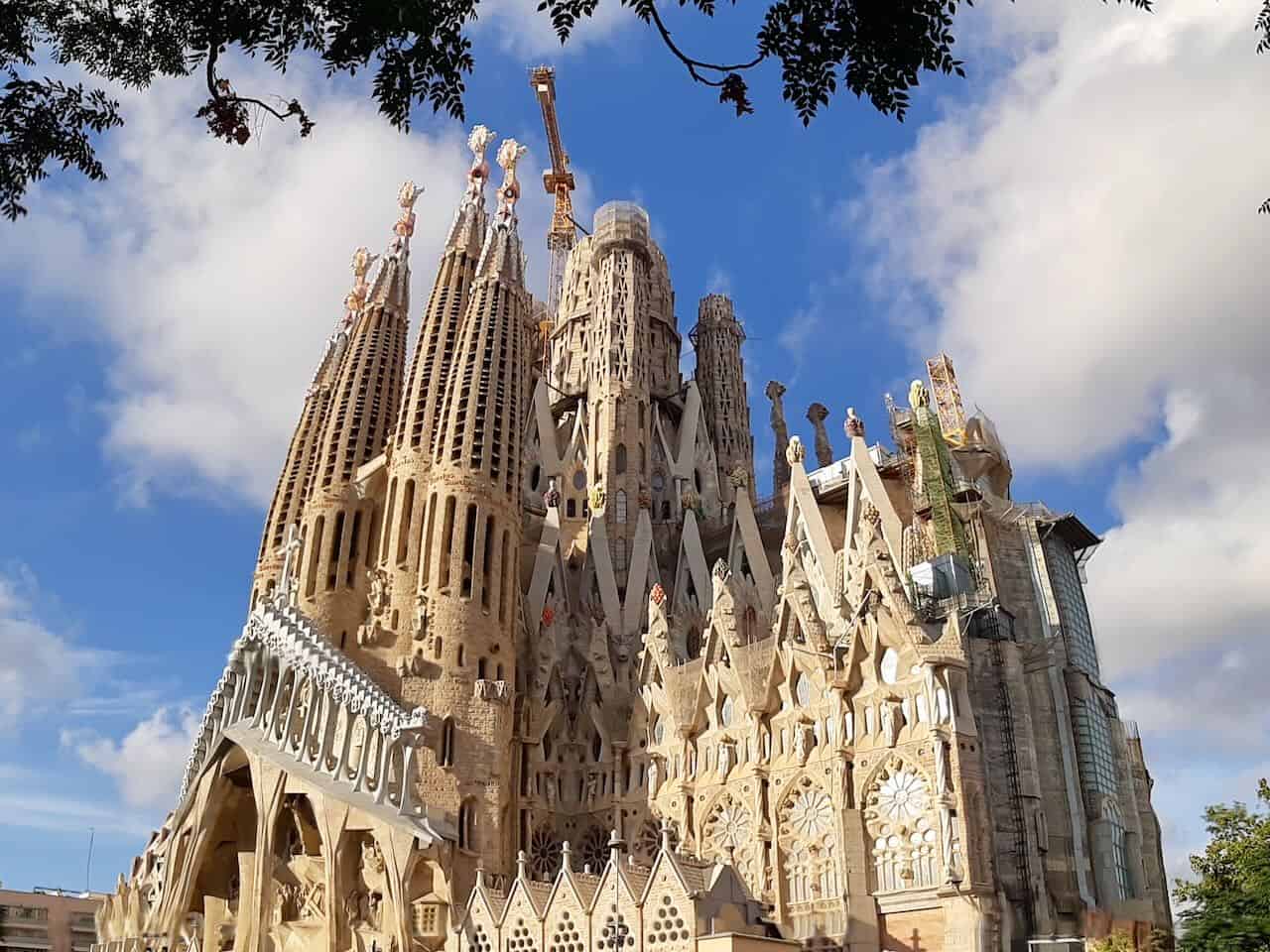
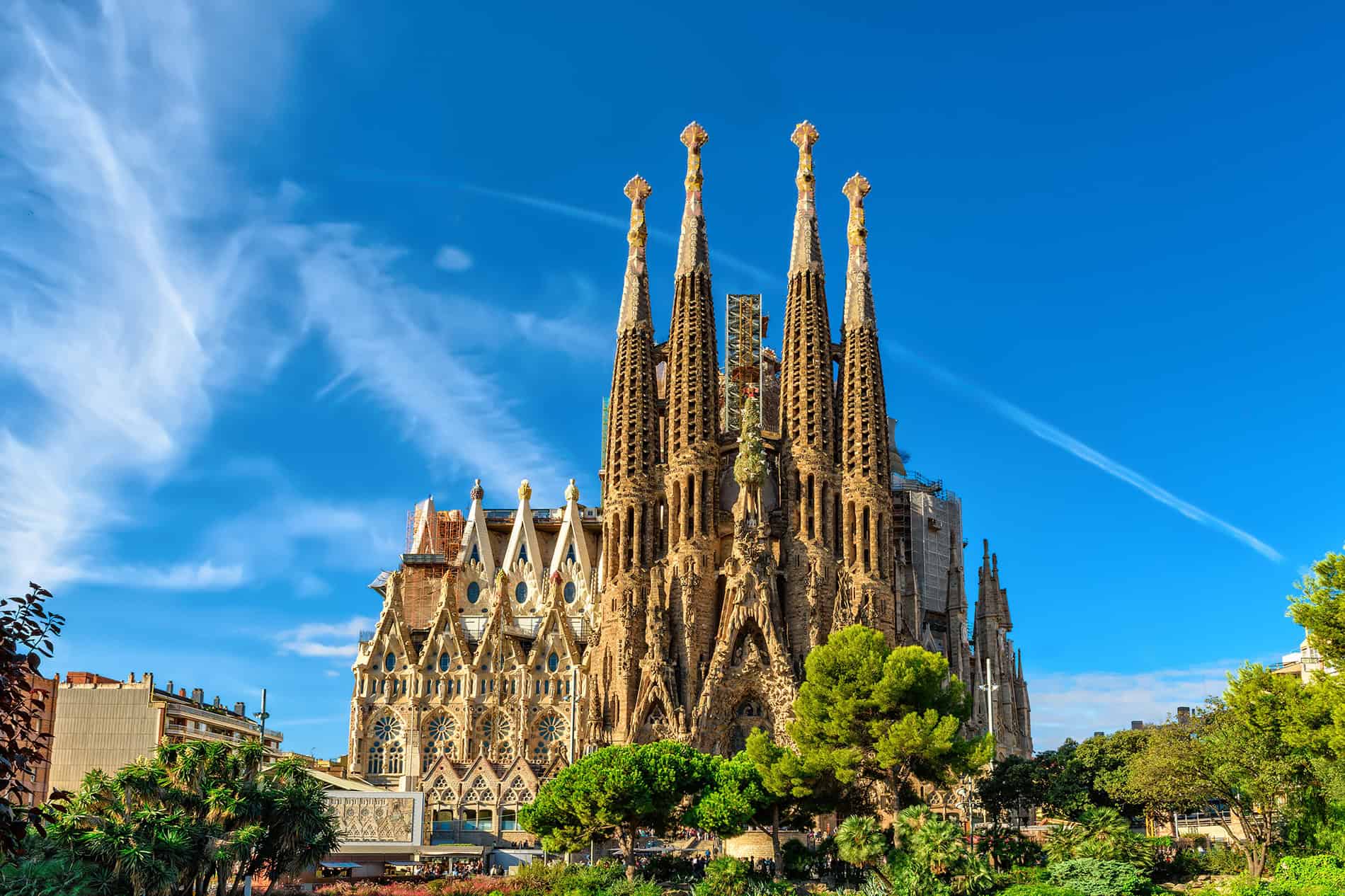
Top 2026 highlight: The continuing progress and potential near-completion of the Sagrada Família, offering a truly once-in-a-lifetime experience to witness architectural history in the making.
Identity Card: Barcelona, Spain
- City: Barcelona, Catalonia
- Weather: Mediterranean, with hot, dry summers (25-30°C / 77-86°F) and mild, humid winters (10-15°C / 50-59°F). Spring and autumn are warm and sunny (18-24°C / 64-75°F).
- Gear: Comfortable walking shoes are essential. Pack layers, especially for evenings. Sunscreen, a hat, and sunglasses are vital year-round. A reusable water bottle is also highly recommended.
- Sensory vibe: The city hums with the melodic blend of Catalan and Spanish, the clatter of tapas plates, and the distant strum of a guitar. The air carries scents of sea salt, freshly brewed coffee, and the sweet aroma of baking pastries, often mingling with the ancient scent of stone from its Gothic heart.
2026 logistics & essentials
Preparing for your 2026 visit to Barcelona involves a few key considerations to ensure a smooth and enjoyable trip. Understanding visa requirements, currency, safety protocols, and daily budgeting will set a solid foundation for your adventure.
Visa and entry requirements for 2026
For many non-EU travelers, 2026 will see the full implementation of two significant new European travel systems: ETIAS (European Travel Information and Authorisation System) and EES (Entry/Exit System).
- ETIAS: If you are a citizen of a country that currently enjoys visa-free travel to the Schengen Area (e.g., USA, Canada, Australia, UK), you will need to apply for an ETIAS authorization before your trip. This is not a visa but an electronic travel authorization, similar to the ESTA for the USA. It’s valid for three years or until your passport expires, allowing multiple short stays (up to 90 days within any 180-day period). Apply online well in advance via the official ETIAS website.
- EES: The Entry/Exit System will digitalize border checks for non-EU citizens, replacing manual passport stamping with electronic registration of entry and exit. This system aims to speed up border crossings and accurately monitor short-stay compliance.
Always check the latest official government guidelines from Spain’s Ministry of Foreign Affairs or the EU’s immigration portals before your departure to confirm specific requirements for your nationality.
Currency & payment methods
The official currency in Barcelona, and throughout Spain, is the Euro (€). While credit and debit cards are widely accepted at most establishments, carrying some cash for smaller purchases, local markets, or tips is advisable.
- Cards: Visa, Mastercard, and American Express are commonly accepted. Always inform your bank of your travel plans to prevent transaction freezes.
- ATMs: Readily available throughout the city. Be aware of potential foreign transaction fees from your bank and ATM withdrawal fees from local banks.
- Contactless payments: Popular and convenient using your smartphone or smartwatch.
Safety in Barcelona
Barcelona is generally a safe city, but like any major tourist destination, it has its share of petty crime. Awareness and precaution are your best defenses.
- Pickpocketing: This is the most common crime, especially in crowded tourist areas like La Rambla, Gothic Quarter, and on public transport. Keep valuables secure and out of sight. Avoid flashing expensive items.
- Scams: Be wary of distraction scams. Someone might “accidentally” spill something on you or ask for directions while an accomplice attempts to pickpocket you. Politely decline and move on.
- Emergencies: The emergency number for police, ambulance, or fire services in Spain is 112.
Daily budget analysis for 2026
Your daily expenses in Barcelona will vary significantly based on your travel style. Here’s an estimated breakdown for 2026:
| Category | Budget Traveler (€/day) | Mid-Range Traveler (€/day) | Luxury Traveler (€/day) |
|---|---|---|---|
| Accommodation | €40-€70 (Hostel/Budget hotel) | €90-€180 (Mid-range hotel/Apartment) | €250+ (Boutique hotel/Luxury suite) |
| Food & Drink | €30-€50 (Tapas/Supermarket/Picnic) | €60-€100 (Restaurants/Cafes) | €120+ (Fine dining/Exclusive experiences) |
| Transportation | €8-€15 (Public transport pass) | €10-€20 (Public transport/Occasional taxi) | €25+ (Taxis/Private transfers) |
| Activities & Sightseeing | €15-€30 (Free sites/Limited paid entry) | €35-€70 (Multiple paid attractions) | €80+ (Tours/Experiences/VIP access) |
| Miscellaneous | €5-€10 | €15-€30 | €40+ |
| Total Estimated Daily Budget | €98-€175 | €210-€400 | €525+ |
These figures are estimates and can fluctuate with demand, specific choices, and unforeseen expenses. Booking accommodations and popular attractions in advance can often secure better rates.
Destinations & landmarks
Barcelona is a city brimming with iconic sights, each telling a unique story of its rich past and dynamic present. Here are five must-see places that encapsulate the spirit of Barcelona.
Sagrada Familia: Gaudí’s unfinished masterpiece
No visit to Barcelona is complete without experiencing the breathtaking Sagrada Família. This basilica, designed by Antoni Gaudí, has been under construction for over a century, aiming for completion in the coming years. Its towering spires, intricate facades depicting biblical scenes, and a stunning interior awash with colored light filtering through stained-glass windows create an otherworldly atmosphere. Book your tickets online well in advance to secure your entry time and avoid long queues.
Park Güell: a whimsical garden escape
Another of Gaudí’s creations, Park Güell is a public park system composed of gardens and architectural elements located on Carmel Hill. It’s a UNESCO World Heritage Site known for its vibrant mosaic work, unique stone structures, and panoramic views of the city. Stroll through the park, admire the famous mosaic lizard “El Drac,” and marvel at the gingerbread-like houses. Access to the Monumental Zone requires a ticket, so purchase these online to guarantee entry.
Gothic Quarter (Barri Gòtic): stepping back in time
Wander through the narrow, winding streets of the Gothic Quarter, Barcelona’s oldest neighborhood. This historic heart of the city reveals Roman walls, medieval cathedrals, and hidden squares at every turn. Explore the Barcelona Cathedral, stumble upon ancient courtyards, and soak in the atmospheric charm. The air in the Barri Gòtic often carries the scent of ancient stone mixed with wafts of churros and street food, accompanied by the muffled sounds of distant church bells and hushed conversations.
La Rambla: the vibrant pulse of barcelona
La Rambla is Barcelona’s most famous boulevard, stretching from Plaça de Catalunya to the Christopher Columbus Monument at Port Vell. It’s a lively pedestrian promenade filled with street performers, flower stalls, souvenir kiosks, and bustling cafes. While it can be very touristy, it remains an essential experience for its energy and access to attractions like the Mercat de Sant Josep de la Boqueria. Be mindful of your belongings here due to crowds.
Barceloneta beach: sun, sand, and sea
For a refreshing change of pace, head to Barceloneta Beach, one of the city’s most popular urban beaches. It’s perfect for sunbathing, swimming, or enjoying a leisurely stroll along the boardwalk. The beach is lined with chiringuitos (beach bars) offering refreshing drinks and fresh seafood. The salty air and the rhythmic sound of waves provide a perfect contrast to the city’s bustling streets.
Seasonal & cultural calendar (2026)
Barcelona’s calendar is packed with festivals and events throughout the year, offering unique insights into local culture. Planning your visit around these celebrations can enrich your experience significantly.
Spring (march – may)
- Sant Jordi (April 23): Catalonia’s version of Valentine’s Day, where couples and friends exchange books and roses. The city’s streets, especially La Rambla, are filled with stalls selling these gifts, creating a charming, romantic atmosphere.
- Primavera Sound (late May/early June): One of Europe’s largest and most respected music festivals, drawing international acts and a diverse crowd. The sound of eclectic music fills the Parc del Fòrum.
Summer (june – august)
- Sónar Festival (mid-June): An international festival of advanced music and multimedia art. Barcelona becomes a hub for electronic music and digital culture, with events day and night.
- Grec Festival (July): Barcelona’s major international festival of theatre, dance, music, and circus. Performances take place across various venues, including the historic Teatre Grec on Montjuïc, where the evening air is filled with the magic of live performance.
- Gràcia Festival (mid-August): One of the city’s most beloved local festivals. Residents of the Gràcia district compete to elaborately decorate their streets, transforming them into incredible, imaginative works of art. The sounds of live music and laughter fill the air late into the night.
Autumn (september – november)
- La Mercè (late September): Barcelona’s biggest annual festival, honoring the city’s patron saint. Expect a spectacular program including concerts, street parades, castellers (human towers), correfocs (fire runs), and drone shows. The city buzzes with joyous celebration and the smell of festive food.
- Castanyada (October 31 / November 1): A traditional Catalan autumn festival celebrated with roasted chestnuts (castanyes), sweet potatoes (boniatos), and panellets (small almond pastries). The comforting smell of roasting chestnuts fills the streets.
Winter (december – february)
- Christmas and Three Kings’ Day (December/January): The city lights up with festive decorations. The Fira de Santa Llúcia Christmas market near the Cathedral offers traditional crafts and holiday cheer. Three Kings’ Day (January 6) features a grand parade with floats tossing candies to children.
- Cavalcade of the Three Kings (January 5): A truly magical evening as the Three Kings arrive by boat at Port Vell and parade through the city, distributing sweets and joy to thousands of onlookers.
| Period | Weather | Crowds | Cost (Accommodation/Flights) | Key Events |
|---|---|---|---|---|
| Spring (Apr-May) | Mild, sunny (18-24°C) | Moderate | Mid-range | Sant Jordi, Primavera Sound |
| Summer (Jun-Aug) | Hot, sunny (25-30°C) | High | High | Sónar, Grec, Gràcia Festival |
| Autumn (Sep-Oct) | Pleasant, warm (20-25°C) | Moderate | Mid-range | La Mercè, Castanyada |
| Winter (Nov-Mar) | Mild, cooler (10-15°C) | Low | Low | Christmas Markets, Three Kings’ Day |
Local culture & dining
To truly experience Barcelona, immerse yourself in its distinctive Catalan culture and savor its renowned culinary scene. It’s a feast for all senses.
Culinary delights: a taste of barcelona
Barcelona’s food scene is a vibrant mix of traditional Catalan dishes, Spanish classics, and innovative gastronomy. The city is a paradise for food lovers.
- Tapas: While traditionally Spanish, Barcelona offers fantastic tapas bars. Don’t miss patatas bravas (fried potatoes with spicy sauce), pimientos de padrón (fried green peppers), and a platter of cured Iberian ham (jamón ibérico).
- Paella and fideuà: While paella originates from Valencia, you’ll find excellent versions in Barcelona, especially seafood paella. Fideuà is a Catalan variation, similar to paella but made with short, thin noodles instead of rice.
- Fresh seafood: Being a coastal city, Barcelona boasts an abundance of fresh seafood. Head to the Barceloneta neighborhood for some of the best grilled fish and shellfish.
- Crema catalana: A classic Catalan dessert, similar to crème brûlée, with a rich custard base and a hardened caramelized sugar topping.
- Vermut: A popular aperitif in Barcelona. Locals gather for la hora del vermut (vermouth hour) before lunch, often accompanied by olives and conservas (canned seafood).
The sounds of clinking glasses, animated conversations, and sizzling pans fill the air in Barcelona’s bustling markets and tapas bars. The scent of garlic, olive oil, and fresh seafood is ever-present.
Etiquette and social customs
Understanding a few local customs will enhance your interactions and show respect for the Catalan way of life.
- Greetings: A simple “Hola” (hello) or “Bon dia” (good day in Catalan) goes a long way. “Gràcies” (thank you in Catalan) or “Gracias” (in Spanish) are also appreciated.
- Dining: Dinner is typically eaten later in Spain, often starting around 9 PM or 10 PM. Lunches are also later, around 2 PM. Don’t expect quick service; meals are meant to be savored.
- Punctuality: Spaniards tend to be more relaxed about time. Don’t be surprised if people are a few minutes late for casual meetings.
- Tipping: Tipping is not as ingrained as in some other countries. Rounding up the bill or leaving a few euros for good service at restaurants is common, but not obligatory.
Survival & insider tips
Navigating Barcelona like a local involves knowing a few tricks and avoiding common pitfalls. These insider tips will help you make the most of your trip.
Avoiding scams
As mentioned, pickpocketing is prevalent. Always keep your bag zipped and in front of you, especially in crowded areas. Be wary of anyone trying to distract you. If someone bumps into you or tries to engage you in an unnecessary conversation in a crowded spot, immediately check your pockets and bag. Avoid placing phones or wallets on outdoor cafe tables.
Best neighborhoods to explore
- El Born: Trendy and historic, with narrow streets, boutique shops, and excellent tapas bars. Home to the Picasso Museum and Santa María del Mar Basilica. Offers a charming mix of old and new, with the scent of leather goods and artisan perfumes.
- Gràcia: Once an independent village, Gràcia retains a distinct charm with its quiet plazas, independent boutiques, and bohemian vibe. It’s a fantastic area for evening strolls and enjoying local life, with sounds of street musicians in the squares.
- Poble Sec: Located at the foot of Montjuïc, Poble Sec is known for its vibrant parallel street (Carrer de Blai), famous for its “pintxos” (small skewers of food). It offers a more authentic, less touristy dining experience.

Common mistakes to avoid
- Not booking in advance: Popular attractions like Sagrada Família, Park Güell, and Casa Batlló often sell out, especially during peak season. Book tickets online weeks or even months ahead.
- Eating on La Rambla: While convenient, many restaurants on La Rambla are overpriced and cater purely to tourists, often lacking in quality. Venture into side streets or nearby neighborhoods for better culinary experiences.
- Underestimating the hills: Barcelona has many hills, especially around Park Güell and Montjuïc. Wear comfortable shoes and be prepared for walking. Utilize public transport like the metro or funiculars.
- Ignoring siesta hours: While not as prevalent as it once was, some smaller shops and businesses may close for a few hours in the afternoon (typically 2 PM to 5 PM). Plan your shopping or errands accordingly.
- Only speaking Spanish: While Spanish is universally understood, making an effort to use a few Catalan phrases like “Bon dia” (good day), “Si us plau” (please), and “Gràcies” (thank you) is greatly appreciated by locals.
Hidden gems
- Bunkers del Carmel: For the best panoramic views of Barcelona, head to the Bunkers del Carmel. These former anti-aircraft fortifications offer a breathtaking 360-degree vista, especially at sunset. It’s a fantastic spot for a picnic, away from the typical tourist crowds. The sound of the wind sweeping across the hills and the distant city hum creates a unique auditory experience.
- Hospital de Sant Pau: Another architectural marvel by Lluís Domènech i Montaner, a contemporary of Gaudí. This former hospital complex is a UNESCO World Heritage Site featuring stunning Art Nouveau pavilions and gardens. It’s less crowded than Gaudí’s works but equally impressive.
- Magic Fountain of Montjuïc (Font Màgica): While famous, many miss the full experience. Check the official schedule for the spectacular free sound and light shows, especially on weekend evenings. The choreographed water, light, and music are truly enchanting.
Dos and don’ts: 5 tips for dealing with locals
Navigating social interactions with locals can greatly enhance your trip. Here are five essential tips:
- Do try to speak a few words of Catalan or Spanish. Even a simple “Hola” or “Gràcies” shows respect and opens doors.
- Don’t expect people to instantly speak English. While many do, especially in tourist areas, assuming can come across as impolite.
- Do embrace the late dining culture. Don’t rush your meals; enjoy the social aspect of dining out.
- Don’t be overly loud or boisterous in residential areas, especially late at night. Respect local peace and quiet.
- Do be patient. Service in restaurants or shops might be slower than you’re used to, but it’s part of the relaxed Mediterranean pace.
Essential tools
- Google Maps or Citymapper: For public transport directions and walking routes. Citymapper is particularly excellent for understanding Barcelona’s metro and bus system.
- Translate app: Google Translate or DeepL can be incredibly useful for overcoming language barriers.
- TMB App: The official public transport app for tickets and real-time schedules for metro, bus, and tram.
- Power adapter: Spain uses Type F and Type C plugs (two round pins).
- Reusable water bottle: Stay hydrated while exploring. Tap water is safe to drink, though some prefer bottled.
Mini trip guide: 3-day barcelona immersion
Here’s a suggested itinerary to get a comprehensive feel for Barcelona in a short time:
- Day 1: Gaudí’s architectural wonders. Morning: Sagrada Família (pre-booked tickets essential). Afternoon: Park Güell. Evening: Stroll through Gràcia, enjoy dinner at a local plaza.
- Day 2: Historic heart & coastal charm. Morning: Explore the Gothic Quarter and Barcelona Cathedral. Afternoon: Wander down La Rambla, visit La Boqueria Market. Evening: Relax at Barceloneta Beach, enjoy seafood paella at a beachfront restaurant.
- Day 3: Art, views & hidden gems. Morning: Visit the Picasso Museum in El Born. Afternoon: Take the Montjuïc Cable Car for panoramic views from Montjuïc Castle, or explore Hospital de Sant Pau. Evening: Enjoy pintxos in Poble Sec and catch the Magic Fountain show if available.
Travel budget analysis: a deeper dive
Beyond daily estimates, consider these larger budget components:
- Flights: Can be the most significant cost. Booking 3-6 months in advance often yields the best prices. Consider flying into Barcelona-El Prat Airport (BCN).
- Accommodation strategy: For longer stays, consider serviced apartments to save on dining costs by self-catering. Hostels are great for solo travelers. Boutique hotels in El Born or Gràcia offer a more local feel.
- Transportation passes: If you plan on using public transport extensively, multi-day passes like the Hola Barcelona Travel Card can save you money compared to single tickets. A T-Casual card is also a good option for 10 journeys.
- Attraction passes: Evaluate if a Barcelona Card or similar city pass makes financial sense based on the specific attractions you plan to visit. Often, buying individual tickets for only your top priorities is more cost-effective.
- Food choices: Eating one main meal (lunch or dinner) at a sit-down restaurant and opting for cheaper alternatives like picnic lunches from supermarkets or quick tapas can significantly reduce food expenses. Look for “menú del día” (set lunch menu) for excellent value.
Frequently asked questions (FAQ)
Is Barcelona safe for solo female travelers?
Yes, Barcelona is generally safe for solo female travelers. Exercise common sense precautions, especially regarding pickpocketing in crowded areas and walking alone late at night in unfamiliar neighborhoods. Stay aware of your surroundings and consider using ride-sharing apps or official taxis after dark.
What is the best way to get around Barcelona?
Barcelona has an excellent public transportation system including a metro, buses, and trams. The metro is often the fastest way to travel between major attractions. Walking is also highly recommended, especially in areas like the Gothic Quarter, to discover hidden gems. Consider a Hola Barcelona Travel Card for unlimited rides.
Do people in Barcelona speak English?
In major tourist areas, hotels, and popular restaurants, you will find many people who speak English. However, outside these areas, and in smaller shops or local eateries, English proficiency may be limited. Learning a few basic phrases in Spanish or Catalan will be greatly appreciated.
Can I drink tap water in Barcelona?
Yes, tap water in Barcelona is safe to drink. While it sometimes has a slightly different taste due to higher mineral content, it is perfectly fine for consumption. Many visitors still prefer bottled water, but for environmental and cost reasons, a reusable bottle is a good choice.
What is the best time of day to visit Sagrada Família?
The best times to visit Sagrada Família are generally early in the morning (right at opening) or late in the afternoon (about an hour before closing). These times often have fewer crowds. Additionally, late afternoon allows you to experience the beautiful stained-glass windows illuminated by the setting sun, casting stunning colors inside the basilica.
With this master guide, your Barcelona sightseeing adventure in 2026 is set to be nothing short of spectacular. What aspect of Barcelona’s vibrant culture are you most excited to discover first?