
content_type = travel_place_guide
Best time to visit: Late Spring (May-June) and Early Autumn (September-October) offer pleasant weather for exploring.
Top 2026 highlight: The vibrant cultural scene, with numerous festivals and the reawakening of outdoor cafes.
Identity Card (Contextual):
City: Lille, France
Weather: Temperate maritime climate; expect mild summers and cool, damp winters. Spring and Autumn are ideal.
Gear: Comfortable walking shoes are essential. Pack layers, including a waterproof jacket and umbrella, regardless of season.
Sensory vibe: A charming blend of Flemish and French influences, characterized by cobblestone streets, lively squares, rich culinary aromas, and the echoing sounds of history.

Lille City Breaks offer a captivating journey into Northern France, a region where Flemish charm seamlessly blends with French sophistication. This vibrant metropolis, once a powerhouse of industry, has transformed into a cultural and gastronomic hub, beckoning travelers with its rich history, stunning architecture, and a lively contemporary spirit. From its bustling squares to its hidden courtyards, Lille invites exploration, promising an experience that delights the senses and nourishes the soul.
2026 logistics & essentials
Navigating your Lille City Break in 2026 involves understanding key logistical elements to ensure a smooth and enjoyable trip. For most visitors from outside the Schengen Area, new entry requirements are expected. The European Travel Information and Authorisation System (ETIAS) and the Entry/Exit System (EES) are set to be implemented, requiring travelers to register online before their trip. It is crucial to check the official government websites for the most up-to-date information on visa and entry regulations well in advance of your travel dates.
The currency in Lille, as in the rest of France, is the Euro (€). While credit and debit cards are widely accepted in most establishments, carrying some cash is advisable for smaller purchases in local markets or independent shops. ATMs are readily available throughout the city. Safety in Lille is generally high, with petty crime being the most common concern in crowded tourist areas. Always be aware of your surroundings and keep your valuables secure.
A daily budget for Lille can vary significantly based on your travel style. For a budget-conscious traveler, aiming for approximately €70-€100 per day can cover accommodation in hostels or budget hotels, meals from bakeries and casual eateries, and entry to some attractions. Mid-range travelers might allocate €120-€200 per day, allowing for comfortable hotel stays, dining in bistros, and more extensive sightseeing. Luxury travelers could expect to spend €250+ per day, enjoying boutique hotels, fine dining, and exclusive experiences.
Estimated Daily Budget (2026)
| Category | Budget Traveler (€) | Mid-Range Traveler (€) | Luxury Traveler (€) |
|---|---|---|---|
| Accommodation | 30-50 | 70-120 | 150+ |
| Food | 20-30 | 40-60 | 80+ |
| Activities/Attractions | 10-15 | 20-30 | 40+ |
| Local Transport | 5-10 | 10-15 | 15-20 |
| Miscellaneous | 5-10 | 10-20 | 20+ |
| Total Per Day | 70-115 | 150-245 | 305+ |
Destinations & landmarks
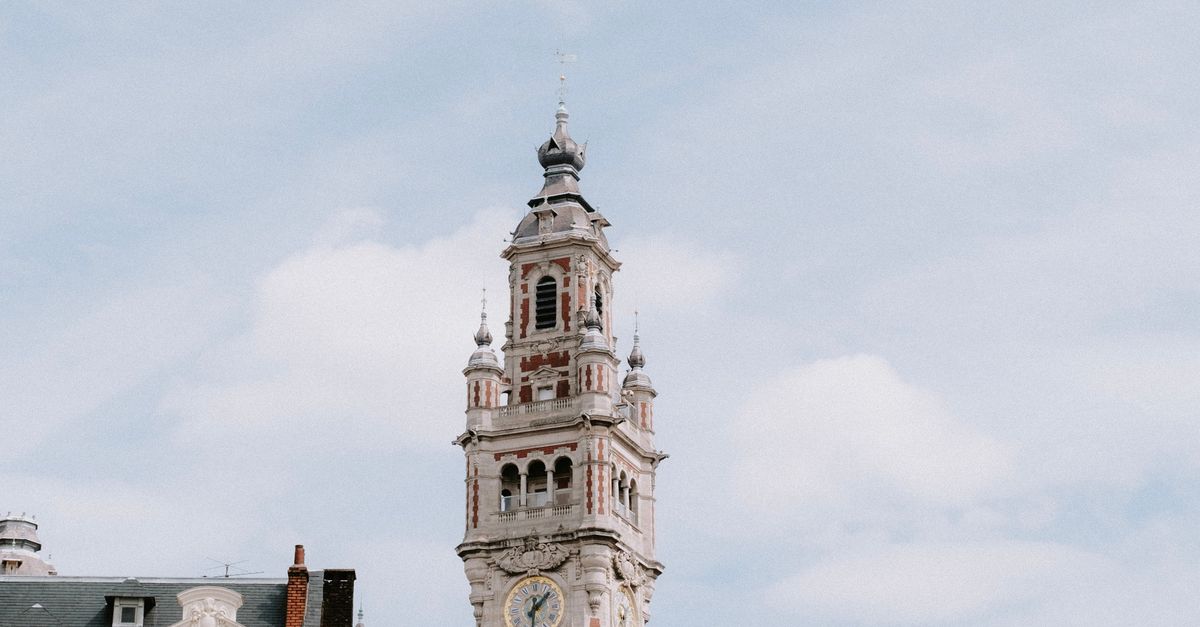
Lille is a city steeped in history and architectural grandeur, offering a wealth of iconic landmarks that are a must-see for any visitor. The **Beffroi de Lille** stands as a UNESCO World Heritage site and a formidable symbol of the city’s past. This towering belfry, dating back to the 13th century, offers panoramic views of Lille and its surroundings from its summit. The climb itself, though vigorous, rewards with breathtaking vistas that stretch across the rooftops and beyond.

The **Grand Place (Place du Général de Gaulle)** is the vibrant heart of Lille, a sprawling square framed by magnificent 17th-century Flemish Baroque architecture. It’s a place to soak in the city’s atmosphere, observe daily life, and admire the striking facade of the Vieille Bourse (Old Stock Exchange). The square is always alive, whether with market stalls, outdoor cafe seating, or simply people enjoying the magnificent surroundings.
No visit to Lille is complete without exploring the **Vieux Lille (Old Town)**. This picturesque district is a labyrinth of narrow cobblestone streets, colorful facades, and charming boutiques. It’s the perfect place for a leisurely stroll, discovering hidden courtyards, admiring ornate doorways, and imagining life in centuries past. The architectural details here tell stories of Lille’s wealthy merchant past.
The **Musée des Beaux-Arts de Lille** houses one of France’s largest art collections outside of Paris. Its diverse holdings span from ancient to modern art, with significant works by Flemish, Dutch, and French masters. Wandering through its grand halls offers a journey through art history, making it an essential stop for culture enthusiasts.
Finally, the **Citadel of Lille** is a star-shaped fortress built by Vauban in the late 17th century. Once a strategic military stronghold, it now houses a popular amusement park and a large wooded area, making it a fantastic spot for families and those looking for a green escape within the city. Its impressive ramparts and moats are a testament to its historical significance.
Seasonal & cultural calendar (2026)
Lille’s cultural calendar is rich and varied throughout the year, with specific periods offering unique experiences. The **Spring months (April-June)** are particularly delightful for Lille City Breaks. As the weather warms, the city blossoms, and outdoor cafes begin to fill. This period is ideal for exploring the city on foot, enjoying the blooming gardens, and experiencing local festivals that start to emerge.
The **Summer (July-August)** brings a more relaxed pace, with locals often heading to the coast. However, the city remains vibrant, hosting outdoor concerts and events. The long daylight hours are perfect for extended sightseeing and enjoying the alfresco dining scene.
**Autumn (September-October)** is arguably one of the best times to visit Lille. The summer crowds have dispersed, the weather remains pleasant, and the autumn colors add a beautiful hue to the cityscape. This season is excellent for cultural immersion, with museums and galleries being less crowded, and the city’s culinary offerings becoming particularly appealing as seasonal produce comes into season.
**Winter (November-March)** can be chilly and damp, but Lille takes on a cozy, festive charm, especially around the Christmas period. The city lights up, Christmas markets pop up, and the indoor attractions, like museums and the opera, offer a warm respite. Special events and exhibitions often cater to the winter season.
Local culture & dining
The culture of Lille is a fascinating fusion of its Flemish heritage and its French identity. This is most evident in its unique dialect, Ch’ti, though less commonly spoken now, its influence is felt in local expressions and the region’s convivial spirit. The people of Lille are known for their warmth and directness, a characteristic often associated with the North of France. There’s a strong sense of community and pride in their city.
The culinary landscape of Lille is a highlight of any visit, deeply rooted in hearty, traditional Northern French cuisine. A must-try dish is **Carbonnade Flamande**, a rich beef stew slow-cooked in beer, often served with a side of frites. Another local specialty is **Potjevleesch**, a terrine of white meats served cold, typically enjoyed with fries and a generous dollop of mayonnaise.
Don’t miss out on **Maroilles cheese**, a strong-tasting cheese that is a key ingredient in local dishes like Tarte au Maroilles. The smell of this cheese, when fresh, is pungent and unmistakable, a true sensory marker of the region. For a sweet treat, try the **Gaufre Fourrée**, a soft, oval-shaped waffle filled with a vanilla-scented fondant.
The sounds of Lille are a symphony of city life: the distant clang of the tram, the chatter from crowded brasseries, the calls of market vendors, and the echoing footsteps on cobblestone streets. The atmosphere is often one of convivial sociability, particularly in the evening when locals gather in the many bars and restaurants.
When it comes to dining etiquette, formality is generally relaxed in Lille compared to other parts of France. It’s polite to greet staff with “Bonjour” or “Bonsoir” upon entering an establishment. While tipping isn’t mandatory as service is usually included, leaving a small extra amount for exceptional service is appreciated.
Survival & insider tips
To truly make the most of your Lille City Break, understanding a few survival tips and insider secrets can enhance your experience and help you avoid common pitfalls. While Lille is a safe city, like any urban center, it’s wise to be aware of potential scams. Pickpocketing can occur in crowded areas, such as on public transport or in busy markets. Always keep your belongings secure and be mindful of overly friendly strangers who might try to distract you.
When exploring the city, familiarizing yourself with the different neighborhoods can be beneficial. Vieux Lille, with its charming historic streets, is perfect for leisurely exploration and shopping. The area around the Grand Place offers grand architecture and lively cafes. For a more local feel and diverse dining options, the Wazemmes district, especially its famous market, is a must-visit.
A common mistake for first-time visitors is underestimating the need for comfortable footwear. Lille’s beauty lies in its walkable streets, many of which are paved with cobblestones. High heels or uncomfortable shoes will quickly turn a delightful exploration into a painful ordeal.
An insider tip for experiencing authentic Lille is to venture beyond the main tourist thoroughfares. Seek out smaller, family-run bistros and boulangeries. Engage with locals – they are often happy to share their favorite spots or recommendations. Also, consider purchasing a Lille Métropole City Pass if you plan to visit many museums and attractions, as it can offer significant savings.
Budget and costs
Understanding the budget and associated costs for a Lille City Break is crucial for planning. The overall expense will depend heavily on accommodation choices, dining preferences, and the number of paid attractions visited. Lille offers a range of options, from budget-friendly hostels to upscale hotels, ensuring it can cater to various financial plans.
For a comfortable yet economical stay, expect to pay around €80-€150 per night for a mid-range hotel. Hostels and budget guesthouses can be found for €30-€60 per night. For those seeking luxury, boutique hotels and premium accommodations can range from €150 upwards.
Dining costs in Lille are diverse. A meal at a traditional brasserie or a casual restaurant might cost between €15-€30 per person. For a more gourmet experience, fine dining establishments could charge €50-€100 or more. Enjoying pastries from a local boulangerie or grabbing a sandwich for lunch can significantly reduce food expenses, typically costing €5-€10.
Entry fees for major attractions, such as museums and the Beffroi, usually range from €8-€15. Purchasing a city pass, if available and suitable for your itinerary, might offer better value. Local transportation, including trams and buses, is efficient and affordable, with single tickets costing around €1.50-€2, and day passes available for approximately €5.
Currency and payment methods
The official currency in Lille, France, is the Euro (€). When it comes to payment methods, France is largely a cashless society, with credit and debit cards being the most widely accepted forms of payment. Major credit cards such as Visa, Mastercard, and American Express are commonly used in hotels, restaurants, shops, and even for public transport tickets.
It is always advisable to inform your bank of your travel plans to avoid any issues with card usage abroad. While card payments are prevalent, having some cash on hand is still recommended for smaller purchases, such as those made at local markets, small independent shops, or for tipping in very casual settings. ATMs (Distributeurs Automatiques de Billets – DAB) are plentiful throughout Lille and can be found at banks, in shopping centers, and in public areas.
When using your debit or credit card, you may be asked whether you wish to be charged in Euros or your home currency. It is generally more cost-effective to opt for payment in Euros, as your bank will usually offer a better exchange rate than the point-of-sale terminal. Be mindful of any foreign transaction fees your bank might charge.
Visa and entry requirements
For travelers planning a Lille City Break in 2026, understanding the visa and entry requirements is paramount, especially with the upcoming changes in European border regulations. As France is a member of the Schengen Area, citizens of many countries can enter for short stays without a visa. However, this is subject to change, and it is crucial to verify the latest regulations based on your nationality.
New systems, such as the European Travel Information and Authorisation System (ETIAS) and the Entry/Exit System (EES), are expected to be implemented. ETIAS will require citizens from visa-exempt countries to obtain an online authorization before traveling to the Schengen Area. The EES will electronically record entry and exit dates for non-EU nationals, replacing passport stamps.
It is highly recommended to consult the official website of the French Ministry of Foreign Affairs or your local French embassy or consulate for the most accurate and up-to-date information regarding visa requirements and entry procedures for 2026. Ensure your passport is valid for at least six months beyond your intended stay and that it has sufficient blank pages.
Hidden gems
Beyond the well-trodden paths of Lille, a treasure trove of hidden gems awaits the curious traveler. For a truly local experience, wander through the **Wazemmes Market**. While the main market days are vibrant, the surrounding streets offer a more intimate glimpse into daily Lille life, with small bakeries, ethnic food shops, and artisan workshops. The covered market itself is a feast for the senses, offering everything from fresh produce to regional delicacies.
Discover the tranquility of the **Jardin des Plantes**, Lille’s botanical garden. It’s a peaceful oasis away from the city bustle, perfect for a quiet stroll among diverse plant collections. The historical greenhouses alone are worth the visit, offering a glimpse into exotic flora.
Venture into the **Gare Saint-Sauveur**, a former train station transformed into a multidisciplinary cultural space. It hosts exhibitions, concerts, and events, and its unique industrial architecture provides a striking backdrop. The adjacent summer terrace is a popular spot for locals to relax and enjoy a drink.
For art lovers seeking something beyond the main museum, explore the smaller galleries dotted throughout Vieux Lille. These often showcase emerging local artists and offer a chance to acquire unique souvenirs. The **Rue de la Monnaie** is particularly known for its charming art galleries and craft shops.
Finally, seek out the small, independent breweries and *estaminets* (traditional Flemish inns) in the less touristy districts. These offer a more authentic taste of Northern French beer culture and local hospitality, often serving traditional dishes in a cozy, unpretentious atmosphere.
Comparison table (seasons or attendance periods)
| Season | Pros | Cons | Best For |
|---|---|---|---|
| Spring (Apr-Jun) | Pleasant temperatures, blooming flowers, fewer crowds than summer, outdoor events begin. | Can still have unpredictable weather with occasional rain. | Sightseeing, exploring parks, enjoying outdoor cafes, cultural events. |
| Summer (Jul-Aug) | Longest daylight hours, lively atmosphere, outdoor festivals and concerts. | Can be crowded, higher accommodation prices, heat can be intense at times. | Maximizing daylight for activities, enjoying vibrant city life, beach day trips (if applicable). |
| Autumn (Sep-Oct) | Mild temperatures, beautiful fall foliage, fewer tourists, excellent culinary season. | Days get shorter, can become cooler and rainier towards late October. | Cultural immersion, food tours, relaxed exploration, photography. |
| Winter (Nov-Mar) | Cozy atmosphere, Christmas markets (Dec), fewer crowds, potential for lower prices. | Cold, damp weather, short daylight hours, many outdoor activities limited. | Christmas festivities, museum visits, enjoying indoor attractions, budget travel. |
Faq section
What is the best way to get around Lille?
Lille has an excellent public transportation system including trams and buses, operated by Ilévia. The city center is also very walkable, and cycling is becoming increasingly popular with bike-sharing schemes available.
Are there any specific regional dishes I must try in Lille?
Absolutely! You should definitely try Carbonnade Flamande (beef stew cooked in beer), Potjevleesch (a cold terrine of white meats), and Tarte au Maroilles (a tart made with strong Maroilles cheese). Don’t forget the local waffles, Gaufre Fourrée.
Is Lille a family-friendly destination?
Yes, Lille is very family-friendly. The Citadel has an amusement park and a large green space for children to play. Many museums offer interactive exhibits suitable for younger visitors, and the general atmosphere is welcoming.
What is the best time of year to experience Lille’s Christmas markets?
Lille’s Christmas markets typically run from late November through December. This is the prime time to experience the festive decorations, twinkling lights, and seasonal treats.
How easy is it to find accommodation in Lille?
Accommodation in Lille is generally plentiful, ranging from budget hostels and mid-range hotels to luxury options. Booking in advance is highly recommended, especially during peak tourist seasons or major events, to secure the best rates and availability.
Dos and don’ts: 5 tips for dealing with locals
- Do greet shopkeepers and restaurant staff with a polite “Bonjour” or “Bonsoir” upon entering.
- Don’t expect overly effusive service; Northern French politeness is often more reserved but sincere.
- Do try to learn a few basic French phrases like “Merci” (thank you) and “S’il vous plaît” (please).
- Don’t be loud or disruptive in public spaces; respect for quiet is generally appreciated.
- Do be patient if there’s a language barrier; many locals appreciate the effort to communicate in French, even if imperfectly.
Essential tools
- Comfortable walking shoes
- Waterproof jacket and umbrella
- Portable power bank for devices
- Basic French phrasebook or translation app
- European power adapter (Type E)
Quick map
A simplified map indicating key areas: Vieux Lille (Old Town), Grand Place, Beffroi, Citadel, Wazemmes Market, and the main train stations (Lille-Europe, Lille-Flandres).
Mini trip guide
Day 1: Historic Heart. Morning: Explore Vieux Lille’s charming streets. Afternoon: Ascend the Beffroi for panoramic views, then discover the Grand Place and Vieille Bourse. Evening: Enjoy a traditional Carbonnade Flamande in a local brasserie.
Day 2: Culture & Greenery. Morning: Immerse yourself in art at the Musée des Beaux-Arts. Afternoon: Visit the Citadel and its surrounding park, or relax in the Jardin des Plantes. Evening: Explore the Wazemmes district for dinner and local atmosphere.
Travel budget analysis
A 3-day trip to Lille for a mid-range traveler can be estimated as follows: Accommodation (€100/night x 3 nights = €300), Food (€50/day x 3 days = €150), Activities (€25/day x 3 days = €75), Local Transport (€10/day x 3 days = €30), Miscellaneous (€20/day x 3 days = €60). Total estimated budget: €615 for 3 days, excluding flights/travel to Lille.
What aspect of Lille’s rich history and vibrant present are you most eager to explore on your next City Break?