
content_type = travel_place_guide
Lyon city guide: your ultimate 2026 exploration
Welcome to Lyon, a city that masterfully blends centuries of history with a vibrant, forward-looking spirit. Often hailed as France’s gastronomic capital, Lyon offers a sensory feast for every traveler, from its ancient Roman roots to its bustling modern districts. This comprehensive Lyon city guide is crafted to be your singular resource, ensuring your 2026 visit is nothing short of extraordinary. Prepare to be captivated by its architectural marvels, tantalizing cuisine, and the palpable energy that pulses through its streets.

Lyon in a Nutshell: Quick Answers
Best time to visit: Spring (April-June) and Autumn (September-October) for pleasant weather and fewer crowds.
Top 2026 highlight: Experiencing the Festival of Lights (Fête des Lumières) in December, a truly magical illumination of the city.
Identity Card (Lyon):
- City: Lyon
- Country: France
- Weather: Temperate; summers are warm, winters are cool and damp. Spring and autumn offer mild temperatures ideal for exploring.
- Gear: Comfortable walking shoes are essential. Layers are recommended year-round. Don’t forget an umbrella, especially outside of summer.
- Sensory vibe: A rich tapestry of historical grandeur, sophisticated gastronomy, and the lively murmur of Lyonnaise life. Expect the aroma of baking bread, the clinking of glasses from bouchons, and the vibrant colors of local markets.
2026 logistics & essentials for your Lyon adventure
Navigating Lyon in 2026 is more streamlined than ever, with a focus on efficient travel and safety. Understanding the entry requirements and local customs will significantly enhance your experience. The European Union is set to implement the European Travel Information and Authorisation System (ETIAS) and the Entry/Exit System (EES) for non-EU citizens. Familiarize yourself with these new border control measures to ensure a smooth arrival. Always check the latest official guidelines closer to your travel dates.
The currency in France is the Euro (€). While credit and debit cards are widely accepted in most establishments, it’s wise to carry some cash for smaller purchases or in more traditional markets. For daily budgeting, plan for approximately €80-€120 per person per day, excluding accommodation. This covers meals, local transport, and entry fees to attractions. Lyon is a generally safe city, but standard precautions against pickpocketing in crowded tourist areas are always advisable.
Estimated Daily Budget (per person, excluding accommodation)
| Category | Budget Range (€) | Notes |
|---|---|---|
| Food (meals & snacks) | 30 – 50 | Enjoying bouchons, cafes, and bakeries. |
| Local Transportation | 5 – 10 | Using the metro, tram, and bus network. |
| Attractions & Activities | 20 – 40 | Museum entries, guided tours, etc. |
| Miscellaneous (souvenirs, extras) | 10 – 20 | Small purchases and unforeseen expenses. |
Destinations & landmarks: must-see wonders of Lyon
Lyon’s historical heart beats strongest in its UNESCO World Heritage sites. The Old Town, or Vieux Lyon, is a labyrinth of cobblestone streets, Renaissance architecture, and hidden passageways known as ‘traboules’. Lose yourself in its charm, stumbling upon artisan boutiques and quaint cafes at every turn. The Cathédrale Saint-Jean-Baptiste, with its astronomical clock, is a breathtaking centerpiece, showcasing stunning Gothic design.
Ascend to the Basilique Notre-Dame de Fourvière for panoramic views that stretch across the city and the Rhône and Saône rivers. This iconic basilica, perched atop Fourvière Hill, is an architectural masterpiece and a significant pilgrimage site. Its opulent interior, adorned with mosaics and stained glass, is as impressive as its commanding presence over the Lyonnaise skyline. The Roman Theatres of Fourvière, nestled nearby, offer a tangible link to Lyon’s ancient past, evoking images of dramatic performances under open skies.
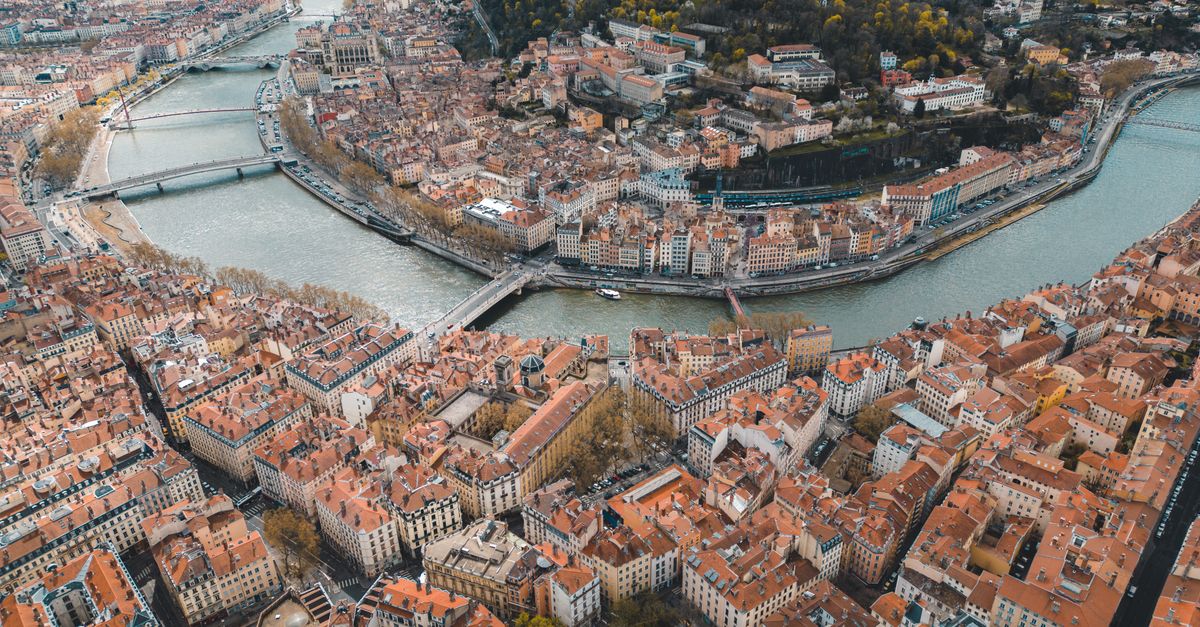
Another essential visit is the Presqu’île, the vibrant peninsula between the two rivers, home to Place Bellecour, one of Europe’s largest open public spaces. Here, modern shopping districts meet grand 17th-century architecture. Explore the impressive Hôtel de Ville (City Hall) and the Opéra National de Lyon. The confluence of the Rhône and Saône rivers, marked by the striking architectural designs of modern buildings, offers a different perspective on Lyon’s evolving urban landscape.
For art lovers, the Musée des Beaux-Arts de Lyon, housed in a former Benedictine abbey, boasts an impressive collection spanning antiquities to modern art. The Musée Lumière, celebrating the birthplace of cinema, offers a fascinating glimpse into the early days of moving pictures, a testament to Lyon’s innovative spirit.
Seasonal & cultural calendar: the rhythm of Lyon in 2026
Lyon’s cultural calendar is rich and varied, offering compelling reasons to visit throughout the year. Spring (April-June) awakens the city with blossoming parks and pleasant temperatures perfect for exploring the traboules and riverbanks. It’s an ideal time for leisurely strolls and enjoying outdoor cafes.
Summer (July-August) brings warmth and longer daylight hours, making it perfect for open-air events and exploring the city’s green spaces. However, it can also be the busiest and hottest period. Autumn (September-October) is arguably one of the best times to visit. The fall foliage paints the city in warm hues, and the grape harvest season in the nearby Beaujolais region offers delightful wine-tasting opportunities. The air is crisp, and the crowds begin to thin.
Winter (November-March) has its own unique charm. December is dominated by the spectacular Fête des Lumières (Festival of Lights), usually held over four nights. This event transforms Lyon into a dazzling spectacle of light installations across the city, drawing visitors from around the globe. While the weather is cold and often damp, the festive atmosphere is infectious, and the culinary scene thrives with hearty, comforting dishes.
Major Events & Best Months to Visit
| Event/Season | Approximate Dates | Best Months | Weather | Notes |
|---|---|---|---|---|
| Spring Bloom | April – June | April, May, June | Mild, pleasant | Ideal for walking and outdoor exploration. |
| Summer Lively | July – August | July, August | Warm to hot | Good for festivals, can be crowded and hot. |
| Autumn Harvest & Colors | September – October | September, October | Cool, crisp | Wine region visits, beautiful foliage, fewer crowds. |
| Festival of Lights (Fête des Lumières) | Early December | December | Cold, damp | Magical light displays, must-book accommodation far in advance. |
| Winter Charm | November – March | November, January, February | Cold, often wet | Cozy atmosphere, focus on gastronomy and indoor attractions. |
Local culture & dining: savoring the Lyonnaise way of life
Lyon’s culinary identity is its crown jewel. The city is renowned for its ‘bouchons,’ traditional eateries serving hearty, unpretentious Lyonnaise cuisine. Stepping into a bouchon is like stepping back in time, with checkered tablecloths, intimate seating, and the comforting aroma of slow-cooked dishes filling the air. Expect to find classics like *quenelles de brochet* (pike dumplings in a rich sauce), *salade Lyonnaise* (a salad with bacon, croutons, and a poached egg), and *tablier de sapeur* (marinated and fried beef tripe).
Beyond the bouchons, Lyon’s gastronomic landscape is incredibly diverse. From Michelin-starred restaurants to bustling food markets like Les Halles de Lyon Paul Bocuse, the quality of ingredients and culinary artistry is evident. The sounds of Lyon are a symphony of everyday life: the gentle rush of the Saône and Rhône, the distant chime of church bells, the animated chatter spilling from cafes, and the rhythmic footsteps on cobblestone streets. The smells are equally evocative – the sweet scent of pastries from a *boulangerie*, the rich aroma of coffee, and the earthy fragrance of fresh produce.
Lyonnaise culture values conviviality and a certain *art de vivre*. Dining is a social affair, meant to be savored. When dining in a bouchon, embracing the local specialties is part of the experience. Don’t be afraid to ask your server for recommendations. The etiquette is generally relaxed but respectful; punctuality is appreciated, and a simple “Bonjour” or “Bonsoir” upon entering a shop or restaurant goes a long way.
Survival & insider tips: navigate Lyon like a local
While Lyon is a welcoming city, a few insider tips can help you avoid common pitfalls and discover its authentic charm. Be aware of potential scams targeting tourists, particularly around major attractions and transport hubs. Keep your belongings secure and be wary of overly friendly strangers offering unsolicited help.
Lyon’s neighborhoods each possess a distinct character. Vieux Lyon, while picturesque, can be very tourist-centric. For a more local feel, explore the Croix-Rousse district, once the heart of the silk industry, now a bohemian area with unique shops and artisan workshops. The Presqu’île offers chic boutiques and grand avenues, while the areas around the rivers provide a more contemporary urban vibe. Understanding these nuances can help you tailor your exploration.
A common mistake for first-time visitors is underestimating the need for comfortable footwear. Lyon is a city best explored on foot, and its charming cobblestone streets can be challenging in inappropriate shoes. Embrace the opportunity to wander and discover hidden courtyards and quiet squares away from the main thoroughfares. Learning a few basic French phrases will also be greatly appreciated by locals and can open doors to more authentic interactions.
Budget and costs: planning your spending in Lyon
Lyon can cater to a range of budgets, from backpackers to luxury travelers. Accommodation prices vary significantly depending on the season and location, with options ranging from hostels and budget hotels to charming boutique stays and upscale establishments. Booking well in advance, especially for popular periods like the Fête des Lumières, is highly recommended to secure the best rates and availability.
Dining costs can be managed by mixing expensive meals with more affordable options. Enjoying a traditional bouchon for lunch or dinner offers a taste of authentic Lyonnaise cuisine at reasonable prices. For breakfast or a light snack, bakeries and cafes provide excellent value. Utilizing public transport instead of taxis will also help keep daily expenses down.
Currency and payment methods
The official currency in Lyon, as in the rest of France, is the Euro (€). Most establishments, including restaurants, shops, and hotels, readily accept major credit cards such as Visa and Mastercard. Contactless payment is also widespread. However, it’s always advisable to have some cash on hand for smaller purchases, local markets, or smaller, independent businesses that might prefer or only accept cash.
ATMs (known as *distributeurs automatiques de billets* or DABs) are widely available throughout the city for withdrawing Euros. Ensure your bank card is enabled for international transactions and be aware of any potential foreign transaction fees. It’s also a good idea to inform your bank of your travel dates to prevent any issues with card usage.
Visa and entry requirements
For travelers from outside the European Union, understanding the visa and entry requirements for France is crucial. As of 2026, France, like most Schengen Area countries, is implementing the new ETIAS (European Travel Information and Authorisation System) and EES (Entry/Exit System). ETIAS will be a pre-travel authorization for visa-exempt nationalities, while EES will record the entry and exit of non-EU nationals automatically.
It is imperative to check the specific requirements based on your nationality well in advance of your travel dates. Ensure your passport is valid for at least three months beyond your intended stay and has at least two blank pages. Citizens of EU/EEA countries and Switzerland do not require a visa or authorization to enter France.
Hidden gems: discovering Lyon’s lesser-known treasures
While Lyon’s famous landmarks are captivating, venturing off the beaten path can lead to some truly memorable discoveries. The Jardin des Plantes in Croix-Rousse offers a serene escape with beautiful flora and stunning city views, often less crowded than other viewpoints. Explore the unique *traboules* of Croix-Rousse, which are distinct from those in Vieux Lyon and offer a glimpse into the silk workers’ history.
Visit the Île Barbe, a tranquil island on the Saône River, featuring an ancient abbey and peaceful walking paths. It’s a perfect spot for a quiet picnic or a reflective stroll. For a taste of local life away from the tourist throngs, seek out neighborhood markets like Marché Saint-Antoine Célestins, where you can sample regional produce and artisanal products. The Rue de la République and Rue du Président Édouard Herriot offer high-end shopping, but a short detour onto the side streets reveals charming independent boutiques and cafes.
Dos and don’ts: interacting with Lyonnaise locals
- Do greet shopkeepers and restaurant staff with “Bonjour” or “Bonsoir.” Politeness is highly valued.
- Don’t expect everyone to speak fluent English. Attempting a few French phrases will be greatly appreciated.
- Do engage with the local cuisine. Trying regional specialties is a core part of Lyonnaise culture.
- Don’t be loud or disruptive in quiet residential areas, especially in the evening.
- Do respect queues and personal space.
Essential tools for your Lyon exploration
- Comfortable walking shoes: Absolutely non-negotiable for navigating cobblestones and extensive walking.
- Portable charger/power bank: Essential for keeping your devices powered during long days of sightseeing and navigation.
- French phrasebook or translation app: Helpful for basic communication and understanding signs.
- Reusable water bottle: Many public fountains offer potable water, allowing you to stay hydrated and reduce plastic waste.
- Small backpack or day bag: For carrying essentials, souvenirs, and snacks.
Frequently asked questions about Lyon
What is Lyon most famous for?
Lyon is most famous for its exceptional gastronomy, its historical Old Town (Vieux Lyon) which is a UNESCO World Heritage site, and its role as the birthplace of cinema.
Is Lyon expensive to visit?
Lyon can be moderately expensive, comparable to other major French cities. However, by balancing dining options, utilizing public transport, and booking accommodation in advance, you can manage costs effectively.
How many days do you need in Lyon?
A minimum of 3 to 4 days is recommended to experience the main attractions, savor the cuisine, and get a feel for the city’s atmosphere. More time allows for deeper exploration of neighborhoods and day trips.
What is the best way to get around Lyon?
Lyon has an excellent public transport system including a metro, trams, and buses. Walking is also a fantastic way to explore many areas, particularly the historic districts.
Are there any unique experiences in Lyon not to be missed?
Absolutely! Exploring the hidden ‘traboules’ (passageways) in Vieux Lyon, dining in a traditional ‘bouchon’, and experiencing the Fête des Lumières in December are truly unique Lyonnaise experiences.