
| Regata Storica Comparison | Traditional Experience | 2026 Enhanced Focus |
|---|---|---|
| Atmosphere | Vibrant, historical pageantry, local fervor. | More accessible viewing, refined culinary experiences, sustainable practices. |
| Viewing Access | Crowded along the Grand Canal, limited official seating. | Early booking for grandstand seats, suggested less-crowded bridges and Riva. |
| Cultural Immersion | Deep dive into Venetian rowing traditions. | Emphasis on pre-regatta workshops, artisan visits, and local cuisine. |
Regata Storica Venice 2026: The grand canal historic regatta
Venice. The very name conjures images of shimmering canals, intricate bridges, and stories whispered through centuries. But imagine this iconic city not just as a picturesque backdrop, but as a living, breathing stage for an event steeped in unparalleled tradition, a spectacle where history itself races down the Grand Canal. The Regata Storica, the city’s most anticipated annual event, transforms Venice into a vibrant canvas of color, sound, and fervent local pride, making 2026 the year to witness this extraordinary aquatic pageant.

TL;DR / Quick answer box
Best time to visit/attend: Early September (typically the first Sunday) 2026, for optimal weather and peak atmosphere.
Top 2026 highlight: The breathtaking historical parade, a floating museum of ancient Venetian vessels and costumed figures, preceding the thrilling regattas.
Identity card (contextual)
- Theme: Celebration of Venetian rowing tradition and historical glory.
- Dates: Expected first Sunday of September 2026 (exact date to be confirmed by Venezia Unica).
- Weather: Typically warm and sunny, average 20-25°C (68-77°F), ideal for outdoor spectating.
- One thing you can’t miss: Securing a spot early along the Grand Canal to witness the Corteo Storico, the vibrant historical procession.
Why this festival matters in 2026
The Regata Storica is more than just a boat race; it is Venice’s heart beating loud and proud. For centuries, this event has commemorated the return of Caterina Cornaro, Queen of Cyprus, to Venice in 1489, a moment of immense political significance for the Serenissima Republic. In 2026, it continues to be a profound testament to the city’s enduring traditions, showcasing the unparalleled skill of its gondoliers and the deep connection Venetians have to their lagoon.
It’s an immersive dive into living history, a vibrant spectacle that makes you feel as though you’ve stepped back into the golden age of Venice. Seeing the historical parade, with its majestic 16th-century style boats and hundreds of costumed participants, is a bucket-list experience that transcends typical tourism. This isn’t just a festival; it’s a living pageant, a powerful display of community and heritage that resonates deeply with visitors from around the globe. The energy, the pageantry, the raw competition – it’s an emotional rollercoaster you simply must experience firsthand.
Festival quick facts
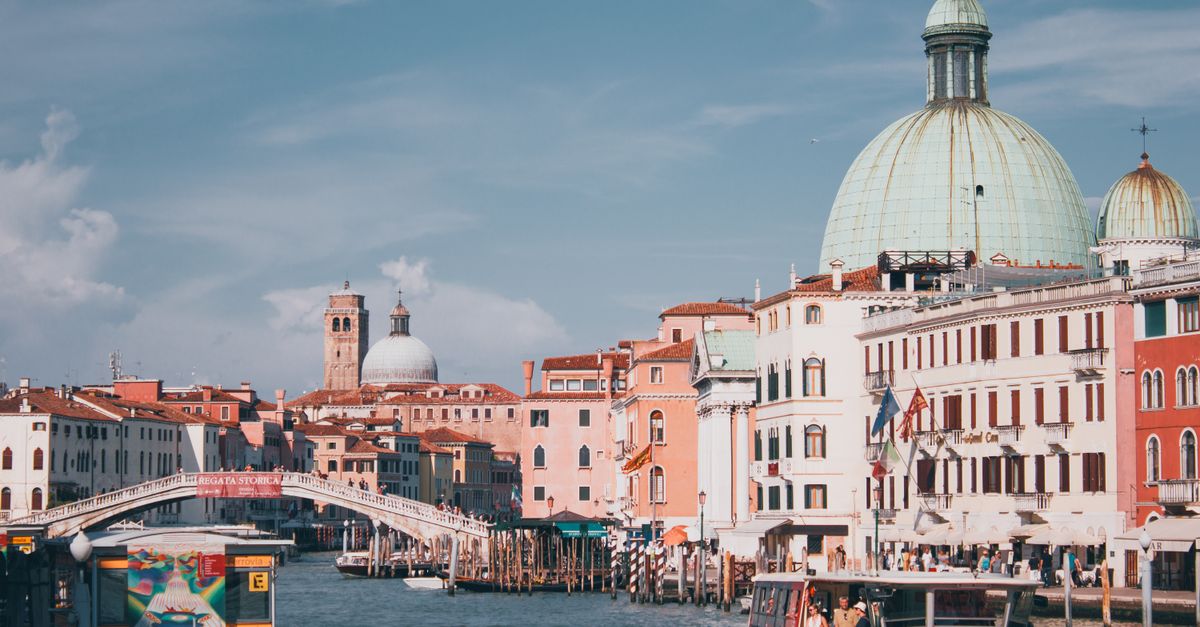
The Regata Storica is traditionally held on the first Sunday of September. While the precise date for 2026 will be officially announced by Venezia Unica, mark your calendars for early September. The main events take place along the Grand Canal, stretching from the Castello Gardens to the Santa Lucia train station area, with the finish line typically positioned in front of the Ca’ Foscari palace.
Admission to view the Regata Storica from the canal banks or public bridges is free. However, for a guaranteed prime viewing spot, tickets for floating grandstands (commonly called “machìne” or “tribune”) are available for purchase. These typically range from €30-€60, offering excellent views and often commentary. Booking far in advance through the official Venezia Unica website ([RESEARCH_URL]) is highly recommended.
The 2026 festival experience
The Regata Storica is an all-day affair, though the races themselves are concentrated in the afternoon. The morning typically sees a buzz of activity, with locals and tourists alike staking out their viewing positions. Street vendors emerge, selling refreshments and small souvenirs, adding to the festive atmosphere.
The highlight of the day begins in the early afternoon with the Corteo Storico. This historical water pageant features dozens of elaborately decorated 16th-century boats, including the magnificent Bissone, carrying the Doge, his wife, and high-ranking Venetian officials, all in period costume. It’s a truly spectacular sight, a floating museum brought to life, parading down the Grand Canal to the sound of trumpets and drums. This procession leads up to the main event, the regattas themselves.
Following the historical parade, the competitive races begin. There are typically four categories, distinguished by boat type and age of the participants: youngsters’ twin-oared gondolas, women’s twin-oared mascarete, six-oared caorline, and finally, the champions’ twin-oared gondolas (gondolini). The energy is palpable, with supporters cheering passionately from every vantage point. The roar of the crowd, the splash of oars, and the vibrant colors of the boats create an unforgettable sensory experience. As dusk falls, the celebrations continue in local bacari and squares, where Venetians toast their victorious rowers.
How to experience it like a local
To truly soak in the Regata Storica like a Venetian, eschew the main tourist traps. Seek out viewing spots on lesser-known bridges like Ponte di Rialto (get there very early) or the Zattere promenade on the Dorsoduro side, which offers a broader perspective. Many locals gather along the Riva del Vin or Riva del Carbon, bringing their own refreshments and enjoying the informal community atmosphere.
For street food, keep an eye out for vendors selling frittelle (fried dough) or cicchetti (Venetian tapas) from portable stalls. Duck into a local bacaro away from the Grand Canal for an authentic spritz and some delicious small bites before the races begin. A local secret is to consider a private water taxi or gondola tour *before* the main events start, to get a unique view of the decorated boats lining up, but be prepared for higher prices and busy waterways. Connecting with a local through a service like Airbnb Experiences for a “local’s guide to Regata” can also reveal hidden gems and insights.
72-hour festival itinerary
Planning your visit around the Regata Storica offers a chance to experience Venice beyond the crowds.
Day 1: arrival and historical immersion
Arrive in Venice and settle into your accommodation. Spend the afternoon exploring the Castello district, visiting the Basilica di San Giovanni e Paolo and the Scuola Grande di San Marco, away from the bustling San Marco area. Enjoy a relaxed evening meal in a traditional trattoria, perhaps in Cannaregio, savoring fresh seafood and regional wine.
Day 2: prelude to the regatta
Dedicate your morning to crossing the Rialto Bridge for panoramic views, then explore the Rialto Market, observing the preparations for the upcoming festivities. In the afternoon, visit the Museo Storico Navale to gain context on Venice’s maritime history and the very vessels featured in the regatta. Secure your spot along the Grand Canal or head to your pre-booked grandstand seats for the Regata Storica, soaking in the exhilarating atmosphere of the Corteo Storico and the thrilling races. Afterward, join the locals for an aperitivo and celebratory cicchetti in a Dorsoduro bacaro.
Day 3: post-regatta exploration
Take a traditional gondola ride in the morning, enjoying the quieter canals after the main event. Explore the beautiful islands of Murano and Burano by vaporetto, famous for glass-blowing and lacework, respectively. Enjoy a leisurely lunch on Burano, known for its colorful houses. Return to Venice for a final authentic Venetian dinner, reflecting on the unforgettable spectacle you witnessed.
Where to stay during the festival
Finding the right accommodation can elevate your Regata Storica experience. Here are a few options across different budget ranges and locations:
| Hotel Name | Location | Price Range (per night) |
|---|---|---|
| Hotel Danieli, a Luxury Collection Hotel | Riva degli Schiavoni (near Piazza San Marco) | €€€€ (Luxury) |
| Hotel Saturnia & International | San Marco (near Calle Larga XXII Marzo) | €€€ (Mid-High) |
| Hotel Sant’Angelo | San Polo (Grand Canal views available) | €€ (Mid-Range) |
| Generator Venice | Giudecca (water bus access) | € (Budget/Hostel) |
Common festival mistakes (from experience)
Having covered the Regata Storica multiple times, I’ve seen firsthand the pitfalls first-timers often encounter. The biggest mistake is underestimating the crowds. Venice in September is busy anyway, and the Regata amplifies this significantly. Don’t expect to waltz up to the Grand Canal an hour before the parade and get a good view; you’ll be staring at the back of someone’s head. Arrive at your chosen spot *at least* 2-3 hours early, especially for prime viewing.
Another common error is failing to book accommodations and grandstand tickets far enough in advance. These sell out quickly, often months before the event. I’ve also seen people try to navigate the city relying solely on Google Maps on Regata day; cellular service can be patchy with so many people, so have a physical map or downloaded offline maps ready. Finally, don’t forget comfortable shoes and water – you’ll be doing a lot of standing and walking!
Budget breakdown
Attending the Regata Storica can range from a budget-friendly trip to a lavish affair. Here’s a general breakdown for a 3-day experience:
| Category | Budget Tier (€) | Mid-Range Tier (€) | High Tier (€) |
|---|---|---|---|
| Accommodation (3 nights) | 150 – 300 (Hostel/Budget B&B) | 400 – 800 (3-4 star hotel) | 900+ (Luxury hotel/Apartment) |
| Food & Drink (3 days) | 90 – 150 (Cicchetti, market food) | 180 – 300 (Trattorias, some sit-down meals) | 350+ (Fine dining, extensive aperitivo) |
| Transportation (Vaporetto/Other) | 40 – 75 (Day passes) | 75 – 100 (Passes, occasional water taxi) | 150+ (Water taxis, private transfers) |
| Regata Tickets/Viewing | 0 (Public viewing) | 30 – 60 (Grandstand seat) | 100 – 300+ (Private balcony/boat) |
| Activities/Sightseeing | 30 – 60 (Museums, free walking) | 80 – 150 (Tours, islands) | 200+ (Exclusive tours, gondola rides) |
| Total Estimated (3 days) | 310 – 585 | 765 – 1410 | 1700+ |
Etiquette, sustainability & respect
Venice is a delicate city, and attending the Regata Storica requires conscious effort to be a respectful visitor. Always follow local instructions regarding crowd control and public spaces. Avoid littering, especially into the canals, and use designated waste bins. When watching from public areas, be mindful not to block views for others, particularly children or those with disabilities.
Support local artisans and businesses rather than mass-produced souvenirs. Venice is making strides in sustainable tourism, so choose eco-friendly transport options like walking or vaporetto. Remember, you are a guest in a living city, not just a tourist attraction. Treat the locals, their traditions, and their environment with the utmost respect. The Regata Storica is a deep cultural experience, not just a photo opportunity.
Pros and cons of attending regata storica 2026
Making the decision to attend such a popular event requires weighing the benefits against potential challenges.
Pros:
- Unparalleled historical spectacle and living tradition.
- Vibrant, festive atmosphere unique to Venice.
- Opportunity to witness highly skilled Venetian rowing.
- Deep cultural immersion beyond typical tourist routes.
- Stunning photographic opportunities.
Cons:
- Extremely large crowds, especially along the Grand Canal.
- Higher accommodation and travel costs due to peak season demand.
- Logistical challenges with public transport and movement around the city on Regata day.
- Requires significant advance planning for booking.
- Can be hot and humid in early September.
A review of the regata storica experience
From my perspective as a seasoned travel journalist, the Regata Storica is nothing short of magnificent. It’s an event that truly encapsulates the spirit of Venice – resilient, proud, and deeply connected to its maritime past. The sheer grandeur of the Corteo Storico is breathtaking; it’s like watching a painting come to life, a testament to the city’s golden age. The energy of the races, with the passionate cheers echoing off ancient palaces, is infectious and unforgettable.
While the crowds can be a challenge, the reward of witnessing such a unique cultural event far outweighs any minor inconveniences. It’s a sensory feast: the sound of splashing oars, the vibrant colors of the boats, the scent of the lagoon mixed with street food, and the palpable excitement of the Venetians. It’s an experience that stays with you long after the last boat crosses the finish line, a powerful reminder of why Venice remains one of the world’s most captivating destinations.
Frequently asked questions (FAQ)
When exactly is the regata storica held in 2026?
The Regata Storica is traditionally held on the first Sunday of September. For 2026, this date is expected to be September 6th, though official confirmation should always be sought from the Venezia Unica website ([RESEARCH_URL]) closer to the date.
Do I need to buy tickets to watch the regata storica?
Watching from public areas along the Grand Canal is free. However, for guaranteed, comfortable seating with a prime view, tickets for floating grandstands (“tribune”) must be purchased in advance through the official Venezia Unica channels ([RESEARCH_URL]).
What is the best way to get around venice during the festival?
Walking is the primary and most enjoyable way to navigate Venice. On Regata day, public vaporetto services on the Grand Canal may be suspended or rerouted, so plan to walk or use the outer canal routes. Consider purchasing a Venezia Unica City Pass for unlimited vaporetto travel on other days.
Is the regata storica suitable for families with young children?
Yes, but with caveats. The historical parade is captivating for children, but the crowds can be overwhelming for little ones. If attending with children, prioritize grandstand tickets for safety and comfort, or choose less crowded viewing spots away from the main thoroughfare. Bring snacks, water, and be prepared for extensive walking.
What should I bring with me on regata day?
Comfortable walking shoes are essential. Also, bring water, snacks, sunscreen, a hat, and sunglasses, as you may be standing outdoors for several hours. A portable charger for your phone and a camera to capture the spectacle are also highly recommended.
Conclusion
The Regata Storica Venice 2026 offers an unparalleled opportunity to witness a centuries-old tradition come alive on the Grand Canal. It’s a powerful fusion of history, sport, and Venetian pride that promises to be one of the most memorable travel experiences of your life. By planning ahead, understanding local etiquette, and embracing the vibrant chaos, you’ll uncover the true essence of Venice.
So, are you ready to be swept away by the grandeur and passion of Venice’s most iconic aquatic festival?

Sandra is experienced travel guide expert with a passion for exploration and cultural immersion.