
Embarking on an adventure to the Golden Gate City requires careful planning, and these San Francisco Tips are your ultimate guide to a truly unforgettable 2026 journey. From its iconic fog-kissed hills to its vibrant cultural tapestry, San Francisco offers an experience unlike any other, blending historical gravitas with cutting-edge innovation. Prepare to navigate its charming districts, savor its world-class cuisine, and discover the secrets held within its legendary landmarks.
TL;DR: Your 2026 san francisco quick answer box
Best time to visit: Late spring (April-May) or early autumn (September-October) for mild weather and fewer crowds.
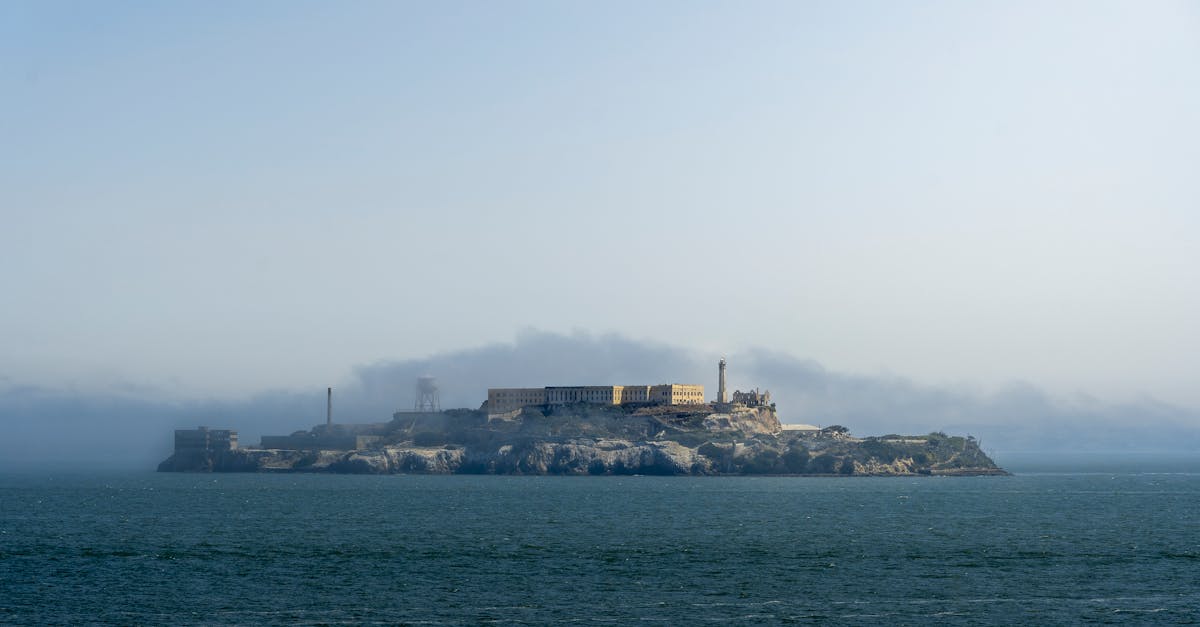
Top 2026 highlight: A sunrise boat tour past Alcatraz Island, capturing its mystique against the emerging city skyline.
Identity card:
- City: San Francisco, California, USA
- Weather: Temperate maritime climate, often cool and foggy, especially in summer. Pack layers!
- Gear: Comfortable walking shoes are non-negotiable for hilly streets. A versatile waterproof jacket is also essential.
- Sensory vibe: The crisp tang of the ocean air, the distant clang of cable car bells, the rich aroma of sourdough and diverse cuisines, and the ever-present feeling of historical depth mingling with modern energy.
2026 logistics & essentials
Planning your trip to San Francisco in 2026 means understanding the practicalities that ensure a smooth journey. The United States continues to refine its entry requirements, so staying informed is paramount.
For many international travelers, an Electronic System for Travel Authorization (ESTA) through the Visa Waiver Program may suffice. Always check the official U.S. State Department website well in advance of your departure for the most current information regarding visas and entry requirements.
The U.S. dollar ($ USD) is the national currency. Major credit cards are widely accepted throughout San Francisco, but carrying some cash for smaller purchases or tips is always a good idea. San Francisco is generally a safe city, but like any major urban center, it’s wise to be aware of your surroundings, especially in crowded tourist areas and on public transport. Keep valuables secure and avoid displaying large sums of cash.
A daily budget for a comfortable trip can vary significantly. Accommodations can range from $150-$400+ per night depending on location and luxury. Dining can be $50-$150+ per day, while attractions and transportation might add another $50-$100 daily. Budget travelers can certainly find ways to save on food and activities, but San Francisco is known for being a higher-cost destination.
Destinations & landmarks
San Francisco is a city of iconic sights, each telling a piece of its storied past and vibrant present. Exploring these landmarks offers a true sense of the city’s unique character.

Alcatraz island: Known as “The Rock,” this former maximum-security prison in San Francisco Bay is a must-visit. Its chilling history and stunning bay views make for a compelling experience. Book your ferry tickets well in advance, as they sell out quickly, especially during peak season.
Golden gate bridge: An engineering marvel and a global icon, the Golden Gate Bridge demands attention. Walk or bike across it for breathtaking panoramic views of the city, bay, and Pacific Ocean. The brisk wind and fog often add to its dramatic allure.
Fisherman’s wharf & pier 39: Immerse yourself in the bustling atmosphere of Fisherman’s Wharf. Enjoy fresh seafood, watch the playful sea lions at Pier 39, and soak in the lively street performances. The air here is thick with the scent of clam chowder and salt.
Lombard street: Famous for its eight hairpin turns, Lombard Street is often called the “most crooked street in the world.” Driving or walking down its steep, flower-lined curves is a whimsical and memorable San Francisco experience. The views from the top are spectacular.
Chinatown: Step into North America’s oldest Chinatown, a vibrant explosion of color, sound, and aroma. Explore its bustling markets, ornate temples, and authentic eateries. The Dragon’s Gate marks the entrance to this captivating cultural enclave.
Seasonal & cultural calendar (2026)
San Francisco’s climate is unique, offering distinct experiences throughout the year. Understanding the seasonal nuances will help you plan your visit.
Spring (March-May) brings pleasant, mild temperatures and fewer crowds, making it ideal for sightseeing. Early autumn (September-November) is often considered the “true summer” in San Francisco, with warmer, clearer days after the summer fog has receded.
Summer (June-August) is notoriously foggy and cool, with the famous “Karl the Fog” often blanketing the city. While it can be atmospheric, pack warm layers if visiting during these months. Winter (December-February) is mild but wet, with occasional rain showers, but offers a cozy charm with holiday decorations.
While specific 2026 dates are pending, San Francisco annually hosts significant events. Look out for the Chinese New Year parade (January/February), the Cherry Blossom Festival (April), and the San Francisco Pride Parade (June). The Outside Lands Music & Arts Festival (August) and Fleet Week (October) are also major draws, filling the city with energy and excitement.
Local culture & dining
San Francisco’s culture is a vibrant mosaic, shaped by its history as a melting pot of innovation, rebellion, and diverse communities. This rich tapestry is evident in its cuisine, art, and daily rhythms.
The city’s dining scene is legendary, from Michelin-starred restaurants to cozy neighborhood cafes. You absolutely cannot leave without trying a sourdough bread bowl filled with clam chowder, a staple of the city’s culinary identity. The Mission District offers some of the best burritos you’ll ever taste, a testament to the city’s strong Latin American influences.
In terms of etiquette, San Franciscans are generally laid-back and progressive. Punctuality is appreciated, but casual dress is acceptable in most settings. Tipping is standard practice in restaurants (15-20% for good service) and for other service providers.
The air often carries the aroma of freshly roasted coffee beans mingling with the scent of diverse spices from various ethnic eateries. You’ll hear the rumble of muni buses, the distinct clang of a cable car, and a fascinating blend of languages spoken on the bustling streets. The atmosphere shifts from the artistic freedom of Haight-Ashbury to the corporate buzz of the Financial District, all within a few blocks.
Survival & insider tips
Navigating San Francisco like a local involves more than just a map; it requires understanding the city’s quirks. Be aware of common tourist scams, such as street performers demanding excessive payment, or individuals selling unauthorized tours.

Each neighborhood has its own distinct personality. The Castro is famous for its LGBTQ+ history and vibrant community, while North Beach offers a taste of Italian heritage and Beat Generation history. The Inner Sunset provides a local, residential feel with great food options and fewer crowds, perfect for an authentic experience.
A common mistake is underestimating the city’s microclimates. Always carry layers, even on what appears to be a sunny morning, as the fog can roll in unexpectedly, dropping temperatures significantly. Another error is relying solely on ride-shares; San Francisco’s public transport, including the iconic cable cars and efficient MUNI system, is excellent for getting around.
Budget and costs
San Francisco is renowned for being one of the more expensive cities in the United States. A comfortable mid-range budget for two people could easily average $400-$600 per day including accommodation, food, and activities. This figure can be significantly higher for luxury travel or lower for budget-conscious travelers.
Accommodation will likely be your largest expense, with hotel prices often reflecting the city’s popularity. Dining out can also add up quickly, but exploring local markets and food trucks offers delicious and more affordable alternatives. Public transportation passes are a smart investment to save on daily travel costs.
Currency and payment methods
The official currency is the United States dollar (USD). Credit and debit cards, particularly Visa and Mastercard, are universally accepted across San Francisco. American Express and Discover are also widely taken, though sometimes less so at very small businesses.
While cards are dominant, it’s always advisable to carry some cash for smaller purchases, tips, or in case of a rare card machine malfunction. ATMs are readily available throughout the city for cash withdrawals. Mobile payment systems like Apple Pay and Google Pay are also increasingly common.
Visa and entry requirements
Entry requirements for the United States can vary based on your nationality. For citizens of countries participating in the Visa Waiver Program, an approved ESTA (Electronic System for Travel Authorization) is typically required for stays of up to 90 days.
Other nationalities may require a B-2 tourist visa, which involves an application process and an interview at a U.S. embassy or consulate. It is crucial to check the official U.S. Department of State website (travel.state.gov) several months before your intended travel date to confirm specific requirements and apply accordingly. Border entry procedures can also include biometric data collection.
Hidden gems
Beyond the famous landmarks, San Francisco holds a treasure trove of lesser-known spots that offer unique charm. Explore the Seward Street Slides, an urban concrete slide park where you can bring your own cardboard for a thrilling ride.
Seek out the Wave Organ, an acoustic sculpture near the Golden Gate Yacht Club that plays music with the tides. For a taste of nature’s tranquility within the city, visit the Japanese Tea Garden in Golden Gate Park, particularly serene in the early morning. These spots offer a different perspective of San Francisco, away from the typical tourist crowds.
Comparison table: San francisco attendance by season
| Season | Months | Weather Snapshot | Crowd Levels | Typical Activities |
|---|---|---|---|---|
| Spring | March-May | Mild, less fog, occasional rain | Moderate | Sightseeing, hiking, outdoor markets |
| Summer | June-August | Often cool, foggy, windier | High (peak tourist season) | Festivals, indoor attractions, Alcatraz tours |
| Autumn | September-November | Warmest, clearest days, “Indian Summer” | Moderate to High | Beach days, wine country excursions, outdoor dining |
| Winter | December-February | Cool, rainy, crisp clear days after storms | Low to Moderate | Museums, cozy cafes, holiday events |
Mini trip guide: Three perfect days in san francisco
Crafting a short itinerary ensures you hit the highlights without feeling rushed. This three-day plan balances iconic sights with local flavors.
Day 1: Icons of the bay
- Morning: Start early with a ferry to Alcatraz Island. Pre-book tickets months in advance.
- Lunch: Grab a sourdough bread bowl with clam chowder at Fisherman’s Wharf.
- Afternoon: Explore Pier 39, watch the sea lions, and perhaps take a bay cruise for Golden Gate Bridge views.
- Evening: Dinner in North Beach, followed by a stroll through Little Italy.
Day 2: Cityscapes & culture
- Morning: Take a cable car ride from Powell Street up to Lombard Street, then walk down its famous curves.
- Lunch: Immerse yourself in the bustling heart of Chinatown for authentic dim sum.
- Afternoon: Explore the colorful streets and shops of Chinatown, then head towards Union Square for shopping or people-watching.
- Evening: Dinner in the vibrant Mission District, known for its excellent taquerias and vibrant murals.
Day 3: Parks & perspectives
- Morning: Spend time in Golden Gate Park, visiting the California Academy of Sciences or the de Young Museum.
- Lunch: Picnic in the park or visit a casual cafe in the Inner Sunset neighborhood.
- Afternoon: Walk or bike across the Golden Gate Bridge for incredible views. Consider Sausalito for a charming side trip.
- Evening: Enjoy a farewell dinner with bay views, perhaps in Sausalito or near the Marina District.
Travel budget analysis (example for 3 days / 2 people)
| Category | Budget Option (Total) | Mid-Range Option (Total) | Luxury Option (Total) |
|---|---|---|---|
| Accommodation (2 nights) | $300 ($150/night) | $600 ($300/night) | $1000+ ($500+/night) |
| Food & Drink | $150 ($25/person/day) | $300 ($50/person/day) | $600+ ($100+/person/day) |
| Activities & Attractions | $100 (basic entry, free walks) | $200 (Alcatraz, museums) | $400+ (private tours, experiences) |
| Local Transport | $50 (MUNI pass) | $75 (MUNI + occasional ride-share) | $150+ (frequent ride-share) |
| Miscellaneous | $50 | $100 | $200+ |
| Total Estimated Cost | $650 | $1275 | $2350+ |
Note: These are estimates for two people for three days in 2026. Actual costs may vary.
Dos and don’ts: 5 tips for dealing with locals
Navigating the social landscape of San Francisco is part of the adventure. Embrace the city’s unique vibe with these tips.
- Do engage with local vendors at farmers’ markets; they often have great stories and recommendations.
- Don’t generalize about the city’s diverse communities; San Franciscans appreciate nuance and individuality.
- Do embrace the city’s progressive spirit; it’s a place of open minds and diverse viewpoints.
- Don’t assume everyone is a tech millionaire; the city has a rich history of artists, activists, and working-class families.
- Do be patient with public transit and appreciate the efforts to reduce traffic congestion.
Essential tools
Equip yourself for San Francisco’s diverse terrain and microclimates. Beyond layers of clothing, a good pair of comfortable walking shoes is paramount for exploring its hilly streets. A reusable water bottle is not only environmentally friendly but also practical for staying hydrated during long days of sightseeing. Finally, a reliable offline map application on your smartphone can be a lifesaver when navigating unfamiliar neighborhoods or areas with spotty signal. Consider a portable power bank for your devices, as heavy map usage drains batteries quickly.
Frequently asked questions about san francisco
When is the best time to visit San Francisco for pleasant weather?
The best time for pleasant weather is typically late spring (April to May) and early autumn (September to October). These months offer milder temperatures, less fog, and generally clearer skies compared to the famously cool and foggy summer months.
Is San Francisco a walkable city, and what public transport options are available?
San Francisco is incredibly walkable, especially within individual neighborhoods, though its famous hills can be challenging. The city boasts an excellent public transportation system, including the Muni buses and metro, historic cable cars, and streetcars, making it easy to get around without a car.
How far in advance should I book tickets for Alcatraz Island?
Tickets for Alcatraz Island are highly sought after and often sell out weeks, if not months, in advance, especially during peak tourist season. It’s strongly recommended to book your tickets as soon as your travel dates are firm, ideally at least 1-3 months ahead.
What are some common scams or safety concerns for tourists in San Francisco?
While generally safe, tourists should be wary of petty theft, particularly car break-ins (never leave valuables visible in a parked car) and pickpocketing in crowded areas. Be cautious of individuals approaching you aggressively to sell items or ask for money. Stay aware of your surroundings, especially at night.
Can I visit San Francisco on a budget, and what are some cost-saving tips?
Yes, it’s possible to visit San Francisco on a budget with careful planning. To save money, consider staying in hostels or budget hotels further from tourist centers, utilizing public transportation, eating at food trucks or local diners, and enjoying free attractions like Golden Gate Park, walking tours, or hiking trails.
Ready to experience the captivating blend of history, innovation, and natural beauty that only San Francisco can offer? What hidden corner of the city are you most excited to discover first?