
Semana Santa 2026 in Spain: Best Cities for Holy Week Processions
As the scent of incense begins to mingle with the cool spring air, Spain prepares for one of its most profound and visually stunning spectacles: Semana Santa, or Holy Week. In 2026, the vibrant traditions of these deeply spiritual processions will once again paint the streets of cities across the nation with solemnity and fervor. From the crack of dawn to the hush of midnight, witness centuries-old rituals unfold, each with its unique character and emotional resonance. This is not merely a religious observance; it’s a cultural immersion, a living tapestry of art, history, and unwavering faith that draws millions each year.

Semana Santa 2026 in Spain
Best time to visit: The week leading up to Easter Sunday (dates vary annually; in 2026, it’s typically late March/early April).
Top 2026 Highlight: Witnessing the dramatic "La Madrugá" in Seville, a night of intense emotion and spectacular processions.
Identity Card:
- Theme: Religious processions commemorating the Passion of Christ.
- Dates (2026): Palm Sunday (March 29) to Easter Sunday (April 5).
- Weather: Mild spring weather, though rain is possible. Average temperatures range from 10°C to 20°C (50°F to 68°F).
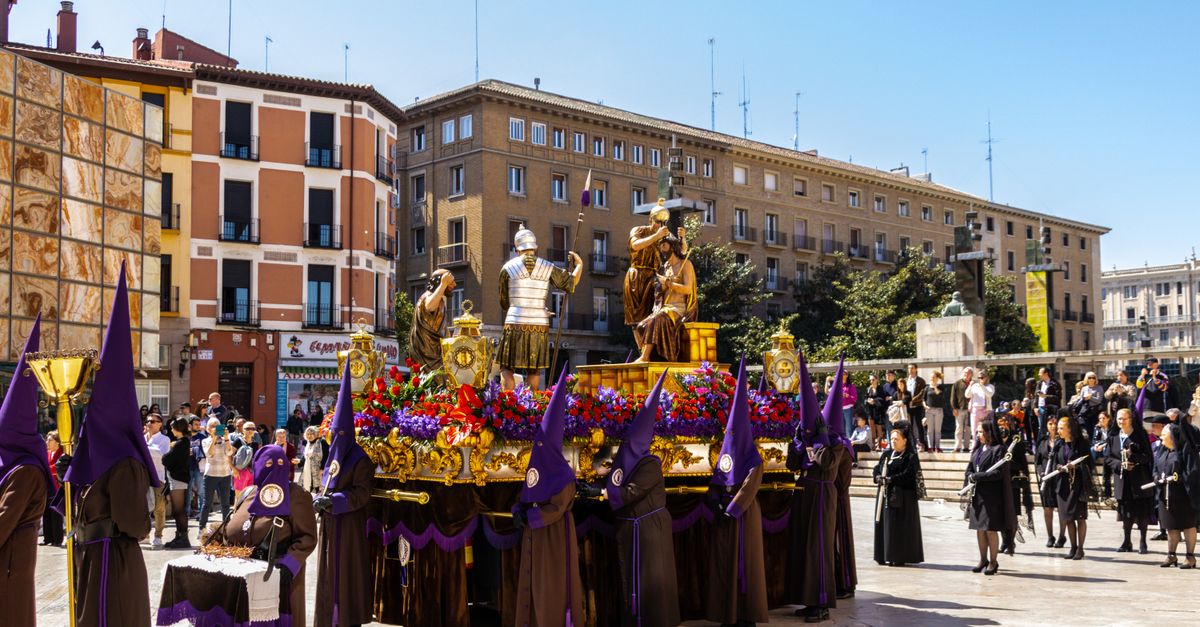
- One thing you can’t miss: Experiencing a "paso" (float) being carried through narrow streets, accompanied by centuries-old music and fervent devotion.
The enduring spirit of Holy Week: why it matters in 2026
Semana Santa in Spain is more than just a historical event; it’s a pulsating heart of Spanish culture that continues to beat with profound significance. In 2026, this ancient tradition offers a unique lens through which to understand Spain’s rich heritage, a testament to resilience and devotion that has spanned centuries. For travelers, it presents an unparalleled bucket-list opportunity to witness a living, breathing art form, a dramatic spectacle of faith and artistry that is as deeply personal as it is universally moving. The sheer scale, the intricate craftsmanship of the floats (pasos), and the palpable emotion of the participants create an atmosphere that is simply unforgettable.

Festival quick facts
Dates for Semana Santa 2026: The main events run from Palm Sunday, March 29, 2026, to Easter Sunday, April 5, 2026. Specific procession schedules vary by city and brotherhood (cofradía).
Official Site: While there isn’t one single official national site, most cities and regions have dedicated tourism portals that publish detailed Semana Santa programs. For example, look for the official tourism websites of Seville, Málaga, or Salamanca.
Price Range: Attending processions is generally free. However, some churches or viewing platforms may charge a small fee. Accommodation and dining prices can fluctuate significantly during this peak period, ranging from €70-€300+ per night for hotels, and €20-€60+ per person per day for food, depending on your choices.
Immersing yourself in the 2026 festival experience
Semana Santa offers a distinct rhythm between day and night, each holding its own magic. Daylight processions often feature brighter colours and a more structured, almost processional march. As dusk settles, the atmosphere transforms. Candles flicker, casting long shadows, and the music becomes more somber, more intensely emotional. The air thickens with anticipation and reverence. The iconic silence that falls as a ‘saeta’ (a short, improvised flamenco song of lament) is sung is a moment that chills the soul, a raw expression of grief and devotion that transcends language.
How to experience it like a local
To truly capture the essence of Semana Santa, stray from the main thoroughfares. Seek out the narrow, winding streets of older barrios; this is where the processions often feel most intimate, the music echoing off ancient stone walls, and the Nazarenos passing inches from your face. Find a local bar away from the central plazas and savor traditional tapas – olives, jamón, gambas al ajillo – while listening to the distant hum of the pasos. Engage with locals; they are often eager to share their passion and point you towards less crowded, equally poignant viewing spots. Don’t be afraid to simply stand still, close your eyes, and absorb the cacophony of sounds: the rhythmic beat of drums, the solemn chanting, the hushed murmurs of the crowd, and the distinct shuffling of thousands of sandaled feet.
A 72-hour festival itinerary for devotion and discovery
Day 1: Arrival & Seville’s Soul (Friday/Saturday prior to Palm Sunday)
Arrive in Seville and check into your accommodation. In the afternoon, explore the Santa Cruz quarter. As evening approaches, find a spot near the Cathedral to witness your first procession. The sheer scale and emotion of Seville’s Holy Week are overwhelming.
Day 2: Málaga’s Majesty & Coastal Charms (Palm Sunday)
Travel to Málaga (approx. 1.5-hour train). Witness the iconic procession of the ‘Legión’ if it aligns with your visit, a unique military presence. Wander along the seafront as processions move towards the coast. Enjoy fresh seafood for dinner.
Day 3: Granada’s Grandeur & Alhambra Whispers (Easter Monday/Tuesday)
Journey to Granada. While perhaps less famous for its Holy Week than Seville or Málaga, Granada offers a deeply atmospheric experience, with processions often winding through the Albaicín’s narrow streets. Dedicate part of your day to the Alhambra before seeking out a local procession in the evening.
Where to stay during the festival
Booking accommodation well in advance is crucial for Semana Santa. Prices surge, and availability plummets. Consider locations central to the main procession routes for maximum immersion, or slightly outskirt areas for potentially better value and a quieter retreat.
| Hotel Name | Location | Price Range (per night, estimate for 2026) |
|---|---|---|
| Hotel Alfonso XIII, Seville | Luxury, near Alcázar and Cathedral | €400+ |
| AC Hotel Málaga Palacio | Central Málaga, rooftop views | €200-€350 |
| Hotel Alhambra Palace, Granada | Historic, close to Alhambra | €250-€400 |
| Petit Palace Plaza Málaga | Mid-range, excellent city center access | €150-€250 |
Common festival mistakes (from experience)
I learned the hard way that assuming you can just “show up” and find a prime viewing spot is a rookie error. You need to stake out your position hours in advance, especially for the more iconic processions. Another mistake? Not wearing comfortable shoes. You’ll be doing a LOT of walking and standing. Also, I underestimated how overwhelming the sensory experience can be. The crowds, the incense, the music – it’s intense. Pacing yourself and finding quieter moments to regroup is key. Finally, don’t just focus on the grand parades; some of the most moving experiences happen in smaller churches or as a procession passes through a residential street.
Budget breakdown: estimated costs for Semana Santa 2026
| Category | Estimated Cost (per person, per day) | Notes |
|---|---|---|
| Accommodation (Mid-range hotel) | €150 – €250 | Prices surge significantly during Holy Week. Book early. |
| Food & Drink (Tapas, casual meals) | €40 – €70 | Includes snacks, drinks, and modest restaurant meals. |
| Local Transportation (Trains, buses, taxis) | €15 – €30 | Inter-city travel will be higher. |
| Entrance Fees (Museums, specific viewpoints) | €10 – €20 | Many processions are free to watch. |
| Miscellaneous (Souvenirs, incidentals) | €20 – €40 | Flexibility for personal purchases. |
| Total Estimated Daily Budget | €235 – €410 | This is a guideline; luxury or budget travel will alter these figures. |
Etiquette, sustainability & respect
Semana Santa is a deeply spiritual occasion. Dress modestly when attending processions or visiting churches – avoid shorts, bare shoulders, and revealing clothing. Be mindful of your volume; enthusiastic chatter can be disruptive. When taking photographs, always ask permission before closely photographing participants, especially those in costume or carrying religious imagery. Many processions involve penitents carrying heavy floats for hours; maintain a respectful distance and avoid blocking their path. To travel more sustainably, consider using Spain’s excellent public transport network between cities and walking within them. Minimize waste by carrying a reusable water bottle and avoiding single-use plastics. Remember that you are a guest in a profound cultural and religious observance.
Frequently Asked Questions about Semana Santa 2026
What is Semana Santa and when is it in 2026?
Semana Santa, or Holy Week, is Spain’s most significant religious festival, commemorating the Passion of Christ through elaborate processions. In 2026, it falls between Palm Sunday, March 29th, and Easter Sunday, April 5th.
Which cities have the most impressive Holy Week processions?
Seville is world-renowned for its dramatic and deeply emotional processions, particularly during “La Madrugá.” Other highly recommended cities include Málaga, Granada, and Salamanca, each offering a unique cultural flavor to the Holy Week experience.
Is Semana Santa free to attend?
Yes, the processions themselves are generally free to watch from public streets. However, some areas might offer paid seating for a better view, and you will need to budget for accommodation, food, and local transportation.
What should I wear to Semana Santa events?
Modesty is key. Wear respectful clothing, covering shoulders and knees. Comfortable walking shoes are essential, as you’ll be on your feet for extended periods. Avoid overly casual or revealing attire.
How can I get around between cities during Semana Santa?
Spain’s high-speed rail network (Renfe) is an efficient way to travel between major cities. Book train tickets well in advance, as they sell out quickly during this busy period. Buses are also a viable option for shorter distances.
| Feature | Typical Attendance Period | Atmosphere | Crowd Level |
|---|---|---|---|
| Semana Santa | Palm Sunday to Easter Sunday | Solemn, devout, artistic, deeply emotional | Extremely High |
| Easter Monday (Fiesta de San Vicente Mártir in Valencia) | Monday after Easter | Celebratory, often local festivities | Moderate to High |
| Spring Shoulder Season (Late April/May) | April 6 – May 31 | Pleasant, generally festive, ideal for sightseeing | Moderate |
As the last notes of the solemn music fade and the crowds disperse, what memory of Spain’s Semana Santa 2026 will resonate most deeply with you?

Sandra is experienced travel guide expert with a passion for exploration and cultural immersion.