
Welcome to your ultimate Siena Tuscany Guide, a deep dive into a city that feels like stepping back in time. Siena, nestled in the heart of Tuscany, Italy, is a UNESCO World Heritage site renowned for its medieval cityscape, vibrant history, and the legendary Palio horse race. This guide is crafted to be your single, indispensable source for planning an unforgettable visit in 2026, ensuring you experience the true essence of this Tuscan jewel.
TL;DR:
Best time to visit: Spring (April-May) and Autumn (September-October) offer pleasant weather and fewer crowds. For the Palio, plan for early July or mid-August.
Top 2026 highlight: Experiencing the Palio horse race in Piazza del Campo, or exploring the city’s rich art and architectural heritage during a less crowded season.
Identity Card (Contextual):
City: Siena, Tuscany, Italy
Weather: Mediterranean climate; hot summers, mild winters. Spring and autumn are ideal.
Gear: Comfortable walking shoes are essential. Layers are recommended for fluctuating temperatures, especially in shoulder seasons. Sun protection (hat, sunscreen) is advised.
Sensory vibe: Medieval charm, rich history, the lively buzz of Piazza del Campo, the scent of Tuscan cuisine, the echo of footsteps on cobblestones, the vibrant colors of contrade banners.
2026 Logistics & Essentials
Navigating Siena in 2026 is straightforward, but a little preparation goes a long way. For most visitors from outside the EU, Italy is part of the Schengen Area. While specific visa requirements can change, it’s prudent to check for updates regarding ETIAS (European Travel Information and Authorisation System) and EES (Entry/Exit System) well in advance of your travel dates. These systems are designed to enhance border security and may require pre-authorization for visa-exempt travelers.
The currency in Siena, as throughout Italy, is the Euro (€). Credit and debit cards are widely accepted in hotels, restaurants, and shops. However, it’s always wise to carry some cash for smaller purchases, local markets, or smaller trattorias that might prefer it. ATMs (sportelli automatici) are readily available throughout the city for cash withdrawals.
Siena is generally a very safe city. Petty crime like pickpocketing can occur in crowded tourist areas, so staying aware of your surroundings, especially in Piazza del Campo and around major attractions, is recommended. Violent crime is rare. The local emergency number is 112, which connects you to police, ambulance, and fire services.
A realistic daily budget for a mid-range traveler in Siena can range from €100 to €180 per person, excluding accommodation. This covers meals, local transport, entrance fees to attractions, and some souvenirs. Budget travelers might aim for €60-€90, while luxury travelers could spend €250+.
| Category | Budget Traveler (€) | Mid-Range Traveler (€) | Luxury Traveler (€) |
|---|---|---|---|
| Food & Drink | 25-40 | 40-70 | 80+ |
| Attractions & Activities | 15-25 | 25-40 | 50+ |
| Local Transport/Misc. | 5-10 | 10-20 | 20+ |
| Total Estimated Daily Cost | 45-75 | 75-130 | 150+ |
Destinations & Landmarks
Siena’s heart beats in its magnificent Piazza del Campo, an shell-shaped medieval square that is one of Europe’s greatest public spaces. This is where the famous Palio horse race takes place twice a year, transforming the piazza into a swirling spectacle of color, sound, and passionate energy. Simply sitting at a cafe here, soaking in the atmosphere, and admiring the surrounding architecture is an experience in itself.
Dominating the skyline is the Duomo di Siena, the Cathedral of Santa Maria Assunta. Its stunning facade, a masterpiece of Italian Romanesque-Gothic architecture, is just the beginning. Inside, you’ll find a breathtaking array of art, including intricate mosaic floors, sculptures by Michelangelo and Bernini, and works by Pisano. Don’t miss the Piccolomini Library, a vibrant space adorned with stunning frescoes. The adjacent Baptistery and the Museo dell’Opera del Duomo, which houses the original facade sculptures and offers panoramic views from the unfinished facade (the Facciatone), are also essential visits.

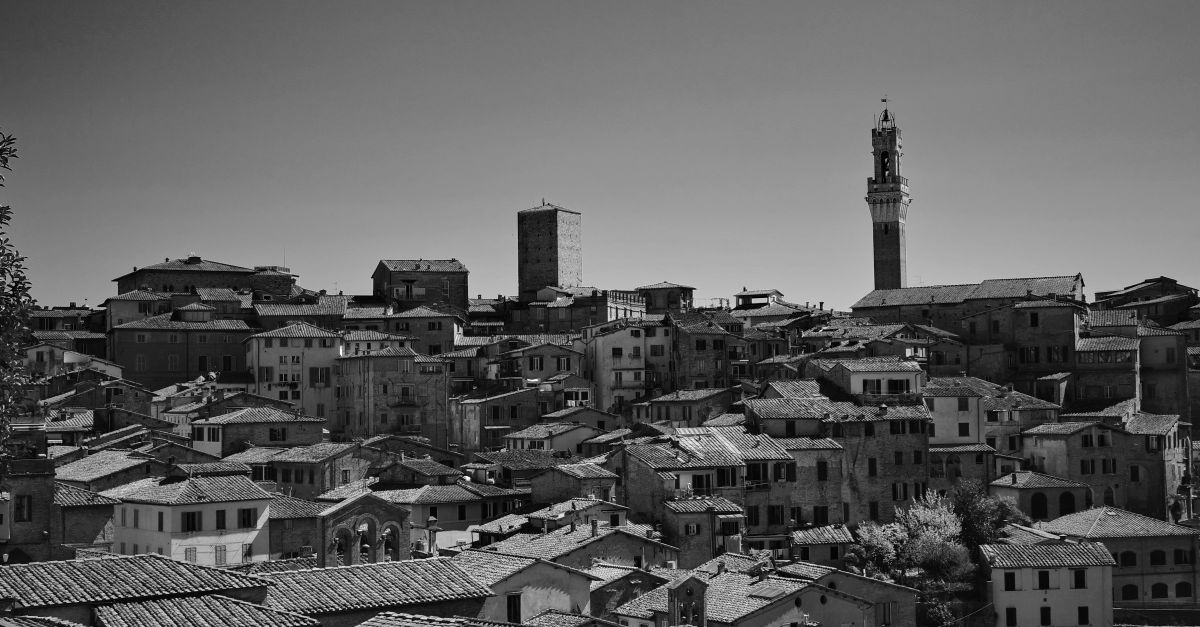
The Torre del Mangia, Siena’s slender, towering bell tower, offers unparalleled views of the city and the Tuscan countryside. Climbing its 400+ steps is a rewarding challenge, with the vista unfolding with each level. The climb is a journey through history, offering a unique perspective on Siena’s intricate layout and its surrounding hills.
Wander through the narrow, winding streets to discover the city’s nine historic contrade (neighborhoods), each with its own museum, emblem, and fiercely loyal inhabitants. Visiting a contrada museum offers a glimpse into the deep-rooted traditions and rivalries that fuel the Palio. The Palazzo Pubblico, Siena’s town hall, is a striking example of civic Gothic architecture and houses the city museum, containing masterpieces like Ambrogio Lorenzetti’s Allegory of Good and Bad Government.
For a taste of local life away from the main tourist thoroughfares, explore the districts like San Lorenzo or Fontebranda. These areas provide a more authentic feel of daily Sienese life, with local artisan shops and neighborhood trattorias offering a more intimate dining experience.
Seasonal & Cultural Calendar (2026)
Siena’s cultural calendar is punctuated by vibrant events, with the Palio horse race being the undisputed highlight. The race is held on July 2nd (Palio di Provenzano) and August 16th (Palio dell’Assunta). The preceding days are filled with ancient traditions, parades, and escalating excitement. If you plan to attend, book accommodation and tickets months, if not a year, in advance, as demand is immense.
Beyond the Palio, spring (April-May) and autumn (September-October) are the most pleasant times to visit Siena. The weather is typically mild and sunny, perfect for exploring the city on foot. The landscape surrounding Siena is at its most beautiful during these seasons, with rolling hills adorned with wildflowers in spring and turning golden in autumn.
Summer (June-August) can be quite hot, especially in July and August, with temperatures often exceeding 30°C (86°F). While lively, it’s also the peak tourist season, meaning larger crowds and higher prices. Conversely, winter (November-February) is cooler and can be damp, but offers a quieter, more intimate experience of Siena, with fewer tourists and a chance to enjoy the city’s cozy atmosphere, perhaps by a warm fireplace in a trattoria.
| Season | Months | Weather | Crowds | Key Events/Activities |
|---|---|---|---|---|
| Spring | April-May | Mild, pleasant, sunny days | Moderate | Wildflowers, outdoor dining, less intense sightseeing |
| Summer | June-August | Hot, sunny, occasional heatwaves | High (Peak Season) | Palio (July 2nd, Aug 16th), outdoor concerts, bustling piazzas |
| Autumn | September-October | Mild, crisp, beautiful foliage | Moderate | Harvest festivals, truffle season, wine tasting tours |
| Winter | November-February | Cool, damp, occasional frost | Low | Christmas markets, cozy trattorias, serene sightseeing |
Local Culture & Dining
Sienese cuisine is deeply rooted in tradition, emphasizing fresh, seasonal ingredients and hearty flavors. A must-try dish is pici, a thick, hand-rolled pasta similar to spaghetti, often served with a rich ragù (meat sauce), aglione (a local garlic), or cacio e pepe (cheese and pepper). Another local specialty is cinghiale (wild boar), prepared in various stews and sauces.
Don’t leave Siena without sampling panforte, a dense, chewy fruitcake made with honey, nuts, and spices, a delicacy with origins dating back centuries. Ricciarelli, almond biscuits dusted with powdered sugar, are another sweet treat that perfectly complements a post-meal espresso. Pair your meals with local Tuscan wines, such as Chianti Classico or Brunello di Montalcino, readily available in every trattoria.
The sensory experience of Siena is as captivating as its sights. The air often carries the comforting aroma of baking bread and roasting meats, mingled with the subtle perfume of cypress trees. In the evenings, the sounds of lively conversation spill from trattorias, and the chime of church bells marks the passage of time. The vibrant hues of the contrade banners fluttering in the breeze add to the city’s unique visual tapestry.
When dining, embrace the local pace. Meals are meant to be savored. While many restaurants cater to tourists, seeking out smaller, family-run establishments (trattorias or osterias) will offer a more authentic experience and a chance to practice your Italian. A simple “Buongiorno” or “Buonasera” when entering and “Grazie” and “Arrivederci” when leaving are always appreciated.
Survival & Insider Tips
While Siena is generally safe, be aware of potential scams, though they are less prevalent than in larger cities. The most common involves overly friendly strangers approaching you, offering unsolicited help or “gifts” like bracelets, which they then demand payment for. A polite but firm “No, grazie” usually suffices.
Navigating Siena is best done on foot. The historic center is largely pedestrianized, and its compact nature makes walking the ideal way to discover its hidden corners. Wear comfortable shoes, as the cobblestone streets can be uneven. For longer distances or day trips, local buses are efficient and affordable.
A common mistake for first-time visitors is trying to see too much too quickly. Siena’s charm lies in its atmosphere and the serendipity of discovery. Allow yourself time to simply wander, get lost in its alleys, and pause to enjoy the views. Rushing through its treasures diminishes the experience.

Embrace the local culture by understanding the significance of the contrade. Each neighborhood has its own identity and pride, which is most evident during the Palio. Visiting a contrada museum, if open to the public, is a fascinating insight into this deep-seated tradition. Also, be aware that many shops and smaller eateries close for a few hours in the afternoon for a siesta, typically between 1 pm and 4 pm.
For a truly immersive experience, consider a cooking class focused on Tuscan cuisine or a guided tour that delves into the history of the Palio and the contrade. These activities offer deeper connections to the city’s cultural fabric beyond the typical tourist trail.
Budget and Costs
Siena offers a range of options to suit different budgets. Accommodation prices fluctuate significantly based on the season and proximity to major attractions. Expect to pay anywhere from €80-€150 per night for a comfortable mid-range hotel outside peak season, and potentially €150-€300+ during the Palio or peak summer months. Budget-friendly hostels and B&Bs can be found for €50-€100 per night.
Dining can also be adapted to your budget. While a multi-course meal at a fine dining restaurant could cost €50-€80 per person, you can enjoy delicious and authentic meals at trattorias for €20-€35 per person. Picnics with local produce from markets or simple pizza slices offer even more economical options.
Entrance fees to major attractions like the Duomo complex, Torre del Mangia, and Palazzo Pubblico typically range from €10-€20 each, or you can purchase combination tickets for savings. Factor in around €30-€50 per day for these activities, depending on your interests.
Currency and Payment Methods
The official currency is the Euro (€). Credit cards (Visa, Mastercard, American Express) are widely accepted in hotels, restaurants, shops, and larger attractions. Most establishments will display stickers indicating the cards they accept. However, it’s advisable to carry some cash for smaller purchases, local markets, public restrooms, or smaller family-run establishments that may prefer cash transactions. ATMs are plentiful throughout Siena and are the easiest way to withdraw Euros if needed. Inform your bank of your travel dates to avoid any issues with your cards being blocked.
Visa and Entry Requirements
Italy is a member of the Schengen Area. Citizens of many countries, including the USA, Canada, Australia, and the UK, can enter the Schengen Area for tourism or business for up to 90 days in any 180-day period without a visa. However, it is crucial to stay updated on any changes regarding travel authorizations. For 2026, travellers from visa-exempt countries will likely need to obtain an ETIAS (European Travel Information and Authorisation System) authorization before their trip. ETIAS is an electronic travel authorization and not a visa. Always check the latest official requirements from the Italian embassy or consulate in your country well in advance of your travel dates.
Hidden Gems
Venture beyond the Piazza del Campo to discover the smaller, equally charming squares like Piazza di San Martino or Piazza del Duomo. These offer a more peaceful ambiance and a chance to admire the architectural details without the crowds.
The Orto Botanico dell’Università di Siena, a botanical garden established in 1588, provides a tranquil escape. It’s a lovely place to wander among diverse plant species and enjoy a moment of serenity away from the bustling city.
Seek out the Fonte Gaia on Piazza del Campo, a monumental fountain dating back to the 14th century. While the original is in the museum, the replica is a beautiful centerpiece, surrounded by benches perfect for people-watching and absorbing the medieval atmosphere.
Explore the local markets, such as the Mercato di Sant’Antonio. Here you can find fresh produce, local cheeses, cured meats, and regional specialties. It’s a fantastic place to experience local life and pick up edible souvenirs.
Comparison Table (Seasons or Attendance Periods)
| Period | Weather | Crowds | Vibe | Cost | Key Activities |
|---|---|---|---|---|---|
| Spring (April-May) | Pleasant, Mild | Moderate | Relaxed, Blooming | Moderate | Sightseeing, outdoor dining, exploring countryside |
| Summer (June-Aug) | Hot, Sunny | High (Peak Season) | Lively, Festive | High | Palio, outdoor events, Piazza life |
| Autumn (Sep-Oct) | Crisp, Cool | Moderate | Harvest, Rich | Moderate | Wine tasting, truffle hunting, city exploration |
| Winter (Nov-Feb) | Cool, Damp | Low | Quiet, Cozy | Low to Moderate | Museums, trattorias, Christmas markets |
FAQ Section
What is the best way to get to Siena?
The closest major airport is Florence Airport (FLR). From Florence, you can take a direct bus service to Siena, which is frequent and convenient. Alternatively, you can take a train from Florence to Siena, though this often involves a change at Empoli.
Is Siena walkable?
Yes, Siena’s historic center is very compact and best explored on foot. Be prepared for cobblestone streets and some inclines. Comfortable walking shoes are essential.
When is the Palio horse race?
The Palio is held twice a year: on July 2nd (Palio di Provenzano) and August 16th (Palio dell’Assunta). Tickets and accommodation should be booked many months in advance for these dates.
What are the must-try foods in Siena?
Key culinary highlights include pici pasta, cinghiale (wild boar), panforte (fruitcake), and ricciarelli (almond biscuits). Local Tuscan wines are also a must.
Do I need to book tickets for attractions in advance?
While not always mandatory, booking tickets online in advance for major attractions like the Duomo complex or Torre del Mangia is highly recommended, especially during peak season, to avoid long queues.
Strong CTA
Are you ready to immerse yourself in the timeless allure of Siena and experience the magic of Tuscany firsthand?
Dos and Don’ts: 5 tips for dealing with locals
- Do: Greet shopkeepers and restaurant staff with a polite “Buongiorno” or “Buonasera” upon entering.
- Don’t: Speak loudly or be overly boisterous in quiet churches or residential areas.
- Do: Try to learn a few basic Italian phrases; it’s always appreciated.
- Don’t: Rush your meals; embrace the Italian way of enjoying food and conversation.
- Do: Show respect for local traditions, especially during any festivals or events.
Essential Tools
- Comfortable walking shoes
- A reusable water bottle
- A portable charger for your devices
- A small Italian phrasebook or translation app
- Sun protection (hat, sunglasses, sunscreen)
Infographics
[Placeholder for future infographic: Siena Map with key attractions and walking routes]
[Placeholder for future infographic: Tuscany Wine Regions and Pairings]
Quick Map
[Placeholder for future interactive map of Siena with points of interest]
Mini Trip Guide
3-Day Siena Itinerary
Day 1: Medieval Heartbeat
Morning: Explore Piazza del Campo and the Palazzo Pubblico. Climb Torre del Mangia for panoramic views.
Afternoon: Immerse yourself in the Duomo complex (Cathedral, Piccolomini Library, Baptistery, Museo dell’Opera).
Evening: Enjoy a traditional Sienese dinner in the San Lorenzo district.
Day 2: Contrade & Culture
Morning: Visit a Contrada museum (check opening times) or wander through lesser-known contrade.
Afternoon: Stroll along the historic city walls and enjoy views of the Tuscan countryside. Explore the Orto Botanico.
Evening: Aperitivo in a local bar, followed by a casual pizza dinner.
Day 3: Tuscan Flavors & Farewell
Morning: Visit the Mercato di Sant’Antonio for local produce and delicacies. Consider a short Tuscan cooking class.
Afternoon: Last-minute souvenir shopping or revisit a favorite spot. Enjoy a final panforte tasting.
Evening: Depart from Siena.
Travel Budget Analysis
A mid-range traveler can expect to spend approximately €150-€200 per day in Siena, covering accommodation, meals, attraction tickets, and local transport. This can be reduced to around €90-€120 by opting for B&Bs or hostels, eating at more casual eateries, and prioritizing free activities. Conversely, a luxury experience, including fine dining and premium accommodations, could easily exceed €300 per day. The Palio period will see a significant spike in costs for accommodation and potentially event tickets.