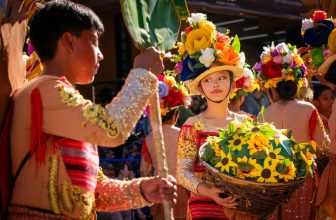

The air in Surin, Thailand, hums with anticipation. As the dry season begins its gentle embrace, the land prepares for a spectacle unlike any other: the Surin Elephant Round-up. This isn’t just an event; it’s a vibrant tapestry woven from centuries of human-elephant partnership, a testament to cultural heritage, and a powerful display of the majestic creatures that roam this ancient land. In 2026, this grand heritage event promises to be an unforgettable immersion into Thai tradition and the enduring bond between people and elephants.

Surin Elephant Round-up 2026: Quick Guide
Best time to visit: Mid-November (exact dates typically announced closer to the event).
Top 2026 highlight: Witnessing the awe-inspiring ‘Battle of the Pink Elephants’ reenactment and experiencing the traditional ‘Baan Chong Som’ alms-giving ceremony.
Identity Card:
- Theme: Celebrating the historical and cultural significance of elephants in Surin and Thailand.
- Dates: Usually the third weekend of November. (Exact 2026 dates TBC).
- Weather: Pleasant, cooler temperatures, with low humidity (perfect for exploring).
- One thing you can’t miss: The grandeur of the elephants adorned in ceremonial attire, parading through the town.
A Spectacle of Strength and Tradition: Why this Festival Matters in 2026
For generations, the Surin Elephant Round-up has been the beating heart of northeastern Thailand’s identity. It’s a living museum, a vibrant celebration that transcends mere tourism. The festival’s roots are deeply entwined with the history of Surin as a center for elephant domestication and trade. In 2026, attending this event offers a profound connection to a time-honored legacy, a chance to witness the living embodiment of Thailand’s rich cultural tapestry. It’s more than just a spectacle; it’s an educational journey, a bucket-list experience that deepens your understanding of the delicate balance between human life and the natural world.

Festival Quick Facts: Your Essential Surin Elephant Round-up 2026 Dossier
Mark your calendars and prepare for an unforgettable journey to Surin. This ancient celebration unfolds with predictable grace, though exact dates are confirmed closer to the event. Typically, the festivities center around the third weekend of November.
- Dates: Expected to be around November 20-22, 2026 (official dates to be confirmed).
- Full Address: Tha Tum District, Surin Province, Thailand (the main events are held at the Surin Elephant Stadium and surrounding areas).
- Price Range: Entry to the main stadium events is usually very affordable, often ranging from 300-500 THB for foreigners. Local food and souvenir purchases will vary.
- Official Site: Information is often disseminated through provincial tourism websites and local news outlets. A dedicated official website for the 2026 event may become available closer to the date.
The 2026 Festival Experience: From Dawn Rituals to Evening Spectacle
The Surin Elephant Round-up is a full-sensory experience, a symphony of sights, sounds, and smells that immerses you in Thai culture. The days are alive with activity, while the evenings transform the landscape into a magical canvas under the stars.
Mornings often begin with the serene ‘Baan Chong Som’ ceremony, where villagers offer alms to monks, a deeply spiritual start to the day. As the sun climbs higher, the town of Surin awakens to the magnificent sight of elephants beginning their preparations. Expect a vibrant parade of these gentle giants, adorned in elaborate, handcrafted costumes, showcasing their historical roles in ceremonies and work. The air fills with the rhythmic beat of traditional drums and the cheers of onlookers.
As dusk descends, the atmosphere shifts. The Surin Elephant Stadium becomes the focal point for the grand performances. Witness the reenactment of historical battles, a powerful display of coordinated might and courage. The elephants, guided by their mahouts, engage in mock combat, a thrilling spectacle that has captivated audiences for decades. Beyond the main arena, the festival grounds thrum with life. Street vendors offer an array of delicious Thai delicacies, from spicy som tum to sweet mango sticky rice, their aromas mingling with the faint, earthy scent of the elephants. Local artisans display their crafts, providing a glimpse into the region’s rich artistic heritage. Evenings are a time for community, for sharing stories, and for marveling at the sheer presence of these magnificent animals under the warm glow of festival lights.
How to Experience It Like a Local: Uncovering Surin’s Hidden Charms
To truly capture the spirit of the Surin Elephant Round-up, venturing beyond the main stadium offers a more authentic and intimate experience. Think like a seasoned traveler, and you’ll uncover the festival’s soul.
Hidden viewing spots: While the stadium offers a grand view, consider finding vantage points along the parade routes in the town itself. A slightly elevated position on a balcony or even a well-chosen spot on the side streets can provide a more personal encounter with the passing elephants and a closer look at their incredible regalia. Engaging with locals might reveal quiet corners away from the main crowds.
Street food adventures: Forget the tourist traps; dive headfirst into the bustling local food stalls. Seek out the vendors with the longest queues – a universal sign of deliciousness. Sample Isaan specialties like gai yang (grilled chicken) with sticky rice, laab (minced meat salad), and the iconic som tum (papaya salad). Don’t be afraid to try new things; it’s part of the adventure.
Local secrets: Arrive a day or two early to explore Surin town before the main crowds descend. Visit the local markets to witness daily life. If possible, engage with your guesthouse owners or local guides; they often have invaluable insights into lesser-known temples, handicraft workshops, or smaller, community-based elephant interactions that offer a more nuanced understanding of the region’s relationship with these animals. Learning a few basic Thai phrases can also open doors to warmer interactions and more genuine experiences.

Your 72-Hour Surin Elephant Round-up 2026 Itinerary: A Curated Plan
Maximize your immersion with this expertly crafted 3-day plan, designed to give you a comprehensive and unforgettable Surin Elephant Round-up experience.
Day 1: Arrival and Cultural Immersion
Morning: Arrive in Surin and check into your accommodation. Settle in and take a leisurely stroll through Surin town. Visit the local market to soak in the atmosphere and perhaps pick up some local snacks.
Afternoon: Explore the Surin National Museum to gain historical context about the region and its elephant heritage. This sets the stage for the grand events to come.
Evening: Enjoy a traditional Isaan dinner at a local restaurant. Seek out a place known for its authentic flavors. Consider attending any pre-festival cultural performances if available.
Day 2: The Grand Spectacle Unfolds
Morning: Position yourself along the main parade route early. Experience the vibrant procession of elephants and their mahouts, a visual feast of color and tradition. Immerse yourself in the street festivities, sampling local delicacies.
Afternoon: Head to the Surin Elephant Stadium for the main events. Witness the breathtaking historical reenactments and the impressive displays of the elephants’ strength and intelligence. Arrive early to secure good seats.
Evening: As the stadium events wind down, explore the night market that often springs up around the festival grounds. Enjoy the lively atmosphere and perhaps find some unique souvenirs. Consider a rooftop bar for a different perspective of the town.
Day 3: Reflection and Departure
Morning: If the ‘Baan Chong Som’ ceremony is part of the weekend’s events, consider attending this spiritual offering for a deeply moving experience. Alternatively, visit a local temple for a moment of quiet reflection.
Late Morning: Enjoy a final taste of Surin’s cuisine. Perhaps revisit a favorite dish or try something new before heading to your next destination.
Afternoon: Depart from Surin, carrying with you the vivid memories of Thailand’s grand heritage event.
Where to Stay during the Festival: Surin Accommodation Guide
Booking your accommodation in advance is crucial, as Surin sees a surge in visitors during the Elephant Round-up. Here are a few options to suit different budgets:
| Hotel Name | Location | Price Range (Approx. per night) |
|---|---|---|
| Royal Surin Resort | City Center, close to shopping and dining | $80 – $150 |
| Baan Thai Boutique Hotel | Quiet street, traditional Thai architecture | $50 – $90 |
| Surin Grand Hotel | Near transport hubs, functional amenities | $40 – $70 |
| Local Guesthouses/Homestays | Various locations, often offering a more personal touch | $20 – $50 |
Common Festival Mistakes (From Experience): Navigating the Round-up Wisely
Having navigated countless festivals, I’ve seen a few common pitfalls that can detract from the magic. Here’s what to avoid to ensure your Surin Elephant Round-up experience is smooth and memorable.
Underestimating the heat and crowds: Even in November, Thailand can be warm. Don’t fall into the trap of thinking it’s cool enough to skip the sunscreen and hydration. The crowds can be immense, especially during the main parade and stadium events. Rushing can lead to frustration and missed opportunities.
Not booking in advance: This is especially true for accommodation and, if you plan to use them, for guided tours. Last-minute decisions often mean inflated prices or no availability at all. The best spots and experiences are snatched up quickly.
Ignoring local customs: While it’s a festive occasion, remember you are in Thailand. Dressing respectfully, particularly when visiting temples or during cultural ceremonies, is important. Be mindful of your volume and behavior in public spaces. And always ask before taking close-up photos of people.
Focusing solely on the main events: The real gems of this festival are often found in the smaller interactions – the street food, the local crafts, the conversations with residents. Don’t just tick off the main stadium show; allow yourself to wander and discover the authentic heart of Surin.
Budget Breakdown: Estimating Your Surin Elephant Round-up Costs
Planning your finances allows for a more relaxed experience. Here’s a breakdown of potential costs for the Surin Elephant Round-up 2026, keeping in mind that these are estimates and can vary.
| Category | Estimated Cost (USD) | Notes |
|---|---|---|
| Flights | $500 – $1200+ | Varies greatly by origin and booking time. |
| Accommodation | $100 – $450 | For 3 nights, based on hotel choice (see above). |
| Festival Tickets | $10 – $20 | Entry to main stadium events (per person). |
| Food & Drink | $60 – $150 | Daily allowance for street food and local restaurants. |
| Local Transport | $15 – $30 | Tuk-tuks, songthaews within Surin. |
| Souvenirs & Extras | $50 – $100+ | Optional, depending on your shopping habits. |
| Total Estimated Budget (Excluding Flights) | $235 – $750+ | For a 3-day festival experience. |
Etiquette, Sustainability & Respect: Honoring Surin’s Heritage
The Surin Elephant Round-up is a cultural event that deserves our utmost respect. Practicing mindful tourism ensures that this tradition continues to thrive for generations to come.
Cultural Sensitivity: Thailand has a deeply ingrained culture of respect. Dress modestly when not at the main festival events, especially when visiting temples or interacting with local communities. Always remove your shoes before entering a home or temple. Avoid touching people’s heads, as it is considered the highest part of the body. When addressing monks, always use polite language.
Elephant Welfare: While the festival showcases elephants, it’s crucial to be aware of their welfare. Observe how the animals are treated by their mahouts. Avoid supporting any activities that appear to exploit or mistreat the elephants. Ethical tourism providers are increasingly important; research and choose options that prioritize animal well-being.
Sustainability Practices: Minimize your environmental impact. Carry a reusable water bottle and refill it whenever possible. Refuse single-use plastics. Dispose of all waste responsibly and consider supporting local vendors who use eco-friendly packaging. Leave no trace behind, ensuring the natural beauty of Surin remains pristine.
| Period | Typical Weather | Crowd Level | Key Attractions |
|---|---|---|---|
| Mid-November (Festival Time) | Pleasant, cooler temperatures, low humidity. | High | Main parade, stadium performances, cultural ceremonies. |
| December – January (Peak Dry Season) | Cool, dry, sunny days. | Moderate to High (post-festival tourist influx). | Elephant sanctuaries, exploring Surin at a more relaxed pace. |
| February – April (Hot Season) | Hot and humid, temperatures can exceed 35°C. | Low | Fewer crowds, but activities may be limited due to heat. |
FAQ: Your Surin Elephant Round-up Questions Answered
Q1: What is the best way to get to Surin for the festival?
A: Surin is accessible by train from Bangkok, which is a scenic and popular option. You can also fly into nearby airports like Buriram or Nakhon Ratchasima and take a bus or taxi to Surin. Driving is also feasible if you’re already in Thailand.
Q2: Is the Surin Elephant Round-up safe for families?
A: Yes, the festival is generally safe and very family-friendly. However, like any large event, it’s wise to keep a close eye on children, especially in crowded areas.
Q3: Can I interact directly with the elephants?
A: Direct interaction during the main festival events is limited and controlled for safety and tradition. However, there are ethical elephant sanctuaries and conservation centers near Surin where you can learn more about elephant care and have respectful encounters outside of the festival period.
Q4: What currency is used in Surin?
A: The currency used in Surin, Thailand, is the Thai Baht (THB). ATMs are widely available, and credit cards are accepted in larger hotels and establishments, though cash is preferred for markets and smaller vendors.
Q5: Are there any specific cultural practices I should be aware of regarding the elephants?
A: The festival honors the long-standing relationship between humans and elephants. Mahouts (elephant handlers) have a deep connection with their animals. It’s important to observe their interactions with respect and understand that the performances are a display of this partnership, not forced labor. Avoid making loud noises or sudden movements that might startle the elephants.
Ready to be captivated by Thailand’s grand heritage event? Start planning your unforgettable journey to the Surin Elephant Round-up 2026 today and immerse yourself in a tradition that echoes through time!

Sandra is experienced travel guide expert with a passion for exploration and cultural immersion.