
Florence Italy Tourism: Your Ultimate 2026 Master Guide
Florence, Italy, the cradle of the Renaissance, beckons travelers with its unparalleled artistic heritage, architectural marvels, and vibrant Tuscan charm. As a premier destination for Florence Italy Tourism, the city offers an immersive journey through history, culture, and exquisite culinary experiences. Prepare to be captivated by masterpieces of art, stroll across ancient bridges, and savor the authentic flavors of Italy in this unforgettable city.

TL;DR: Your Florence 2026 Snapshot
Best time to visit: Spring (April-May) and Autumn (September-October) for pleasant weather and fewer crowds.
Top 2026 highlight: The continuous rediscovery of Renaissance masterpieces and the vibrant local artisan scene.
Florence, Italy: Identity Card
City: Florence
Country: Italy
Weather: Mediterranean climate with hot summers, mild winters, and pleasant spring/autumn. Expect temperatures ranging from 10°C (50°F) in winter to 30°C (86°F) in summer.
Gear: Comfortable walking shoes are essential. Light layers for spring/autumn, warmer clothing for winter, and sun protection for summer. A small backpack for daily essentials is recommended.
Sensory vibe: A symphony of Renaissance art, the aroma of freshly brewed espresso and baking pastries, the melodic murmur of Italian conversation, and the touch of ancient stone beneath your fingertips.
2026 logistics & essentials
Navigating Florence in 2026 is straightforward for most visitors. The European Union is implementing the upcoming ETIAS (European Travel Information and Authorisation System) and the EES (Entry/Exit System), which will streamline border controls for non-EU citizens. Keep an eye on official government websites for the most up-to-date information regarding these systems as their full implementation dates approach.
The official currency is the Euro (€). Credit and debit cards are widely accepted in hotels, restaurants, and larger shops, but carrying some cash for smaller trattorias, markets, and gelato stands is advisable. ATMs (Bancomat) are readily available throughout the city.
Florence is generally a very safe city for tourists. However, like any major tourist destination, petty theft can occur, particularly in crowded areas like Piazza del Duomo or around the Ponte Vecchio. Be aware of your surroundings, keep valuables secure, and avoid displaying large amounts of cash.
| Category | Budget (€) | Mid-Range (€) | Luxury (€) |
|---|---|---|---|
| Accommodation | 70-120 | 150-250 | 300+ |
| Food & Drink | 40-60 | 70-100 | 120+ |
| Attractions & Activities | 30-50 | 60-90 | 100+ |
| Local Transport & Misc. | 15-25 | 30-45 | 50+ |
| Total Estimated Daily | 155-255 | 310-485 | 620+ |
Destinations & Landmarks
Florence is a living museum, with artistic and historical treasures around every corner. Prioritizing your visits is key to experiencing the essence of this magnificent city.
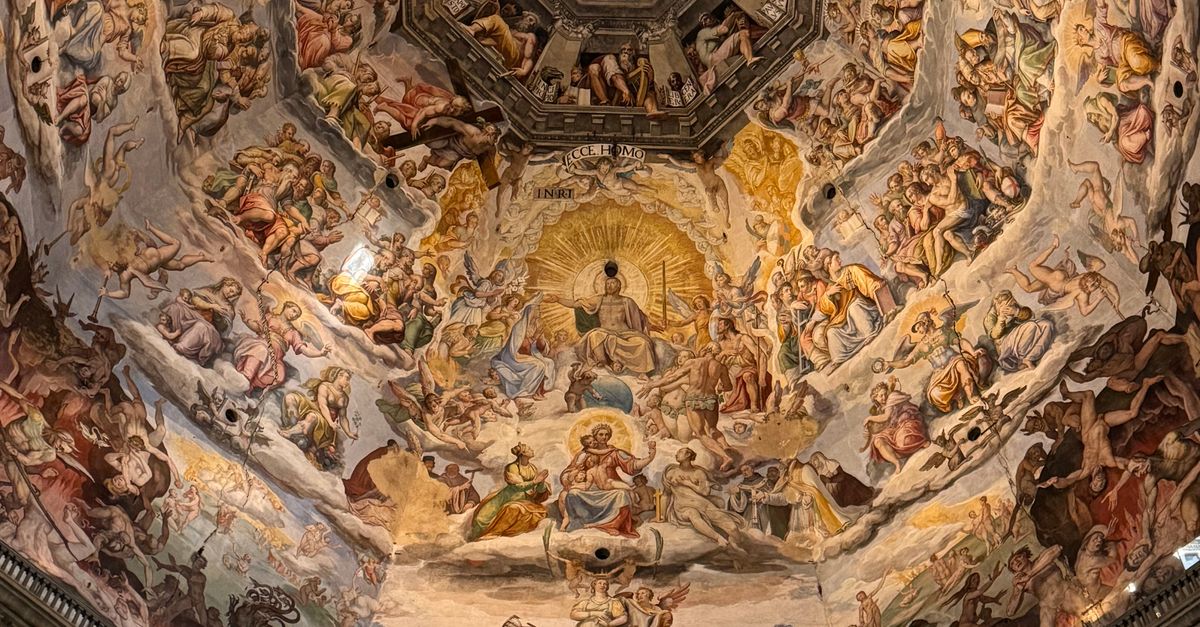
1. Duomo Complex (Cathedral of Santa Maria del Fiore, Giotto’s Campanile, Baptistery): Dominating the skyline, Brunelleschi’s dome is an architectural marvel. Climb to the top for breathtaking panoramic views. Giotto’s Campanile offers another stunning perspective, and the Baptistery’s bronze doors, including Ghiberti’s “Gates of Paradise,” are masterpieces in their own right.
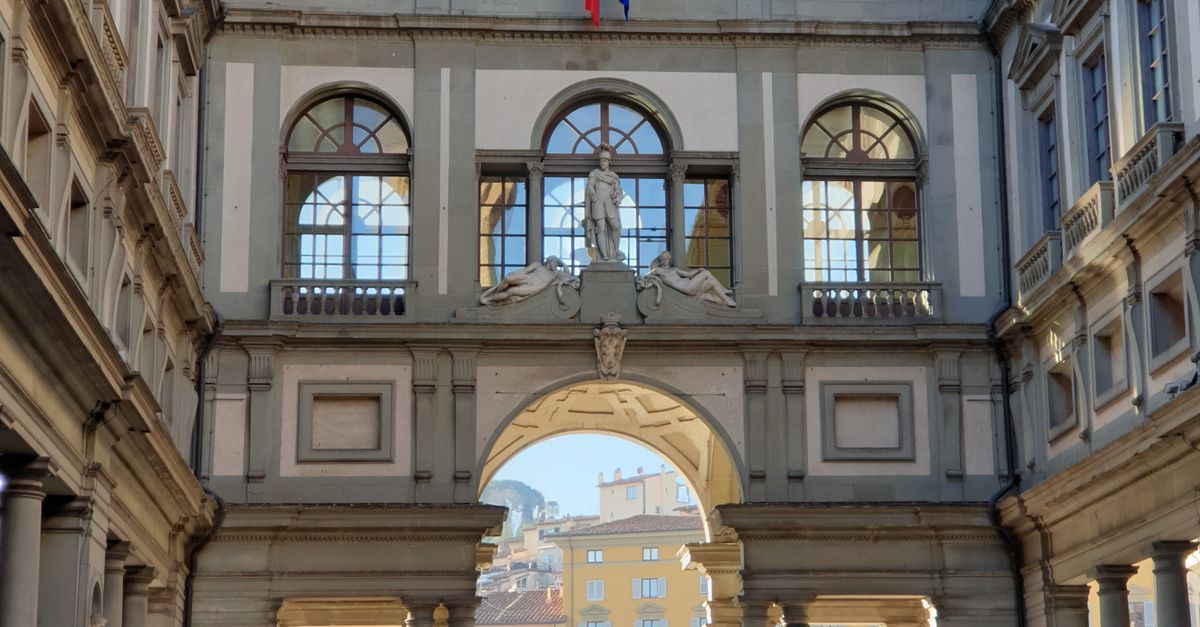
2. Uffizi Gallery: Home to an unparalleled collection of Renaissance art, the Uffizi houses iconic works by Botticelli, Leonardo da Vinci, Michelangelo, and Raphael. Booking tickets well in advance is essential to avoid long queues.
3. Galleria dell’Accademia: Primarily famous for Michelangelo’s David, this gallery also features a significant collection of Florentine paintings from the 13th to 16th centuries. Seeing David in person is a profound experience, showcasing the artist’s mastery of anatomy and emotion.
4. Ponte Vecchio: The only bridge in Florence to survive World War II, this medieval stone arch bridge is unique for its shops built along its edges, historically occupied by butchers, and now by jewelers and souvenir sellers. It offers romantic views of the Arno River, especially at sunset.
5. Palazzo Pitti & Boboli Gardens: Once the residence of the powerful Medici family, Palazzo Pitti now houses several important museums, including the Palatine Gallery and the Gallery of Modern Art. The expansive Boboli Gardens behind the palace are a magnificent example of Italian garden design, featuring sculptures, fountains, and grottoes.
Seasonal & cultural calendar (2026)
Florence truly shines throughout the year, each season offering a distinct ambiance and unique events.
Spring (April-May): This is arguably the best time to visit Florence. The weather is mild and pleasant, perfect for exploring the city on foot. Gardens are in full bloom, and the crowds are manageable before the peak summer season. Major religious holidays like Easter may fall in this period, leading to potential closures but also opportunities to witness local traditions.
Summer (June-August): Florence experiences hot temperatures and significant crowds during these months. It’s ideal for enjoying evening strolls, outdoor concerts, and aperitivo culture. Be prepared for heat and book accommodations and attractions well in advance.
Autumn (September-October): Similar to spring, autumn offers a delightful climate for sightseeing. The fall colors add a beautiful backdrop to the city’s already stunning scenery. This season is also perfect for wine tasting in the surrounding Tuscan countryside.
Winter (November-March): While cooler, Florence in winter has its own charm. Decorations for Christmas and New Year create a festive atmosphere. Sightseeing is more relaxed with fewer tourists, and prices for flights and accommodation can be lower. The city’s museums remain warm and inviting escapes from the cold.
Major Events:
- Scoppio del Carro (Explosion of the Cart): Easter Sunday. A spectacular medieval tradition where a dove-shaped rocket ignites fireworks in front of the Duomo.
- Maggio Musicale Fiorentino: May-June. A prestigious international music festival featuring opera, concerts, and ballet.
- Calcio Storico Fiorentino: June. A brutal, historical football match played in Piazza Santa Croce, with teams representing different city districts.
- Festa di San Giovanni (St. John the Baptist’s Day): June 24. Florence’s patron saint’s day, celebrated with parades, concerts, and a spectacular fireworks display over the Arno River.
Local culture & dining
The heart of Florence beats in its bustling markets and cozy trattorias, where the true essence of Tuscan life is savored. The air is often perfumed with the rich aroma of roasting coffee, the sweet scent of pastries from local bakeries, and the savory promise of simmering ragu.
Must-try dishes:
- Bistecca alla Fiorentina: A thick-cut, charcoal-grilled T-bone steak, typically from Chianina beef, seasoned simply with salt and pepper. It’s a Florentine icon, best enjoyed rare.
- Lampredotto: A traditional street food, this is the fourth stomach of a cow, slow-cooked and served in a bread roll, often with green sauce or spicy chili sauce. A true taste of local life.
- Ribollita: A hearty vegetable and bread soup, thickened by boiling and traditionally eaten the day after it’s made, hence the name meaning “reboiled.”
- Pappa al Pomodoro: A thick, Tuscan bread and tomato soup, seasoned with garlic, basil, and olive oil.
- Gelato: Indulge in artisanal gelato from one of the many excellent gelaterias. Look for natural flavors and creamy textures.
Etiquette: Italians are generally warm and hospitable. When dining, it’s customary to wait to be seated. Tipping is not obligatory, but rounding up the bill or leaving a small amount (5-10%) for excellent service is appreciated. At aperitivo, drinks often come with complimentary snacks. Learning a few basic Italian phrases like “Buongiorno” (Good morning), “Grazie” (Thank you), and “Prego” (You’re welcome) will be well-received.
The sounds of Florence are a captivating blend: the gentle lapping of the Arno River, the distant chime of church bells, the lively chatter from outdoor cafes, and the rhythmic clang of artisans at work in their workshops.
Survival & insider tips
To truly immerse yourself in Florence and avoid common pitfalls, embrace these insider tips.
Beware of tourist traps: Restaurants in extremely high-traffic tourist areas, especially those with menus in five languages and pushy staff, may offer less authentic and more overpriced experiences. Wander a few blocks away from major attractions for better value and quality.
Explore Oltrarno: This neighborhood, located on the “other side” of the Arno River, is the heart of Florentine craftsmanship. Here you’ll find artisan workshops producing leather goods, ceramics, jewelry, and more. It offers a more authentic glimpse into the city’s traditional trades.
Mistakes to avoid: Ordering a cappuccino after breakfast is generally frowned upon by locals; it’s considered a morning drink. Don’t be afraid to get lost – some of the most beautiful discoveries are made on unintended detours down narrow alleyways.
Stay hydrated: Especially during warmer months, take advantage of Florence’s public drinking fountains (fontanelle) to refill your water bottle. The water is clean and refreshing.
Learn basic Italian phrases: While many people in tourist areas speak English, making an effort to speak Italian shows respect and can lead to more genuine interactions.

Budget and costs
Florence offers a range of experiences to suit various budgets. While it’s a world-renowned art capital, mindful planning can make it accessible. Accommodation prices fluctuate significantly based on season and proximity to major attractions. Eating at local markets or enjoying pizza and trattoria meals can keep food costs down, while fine dining will naturally be more expensive.
Many of Florence’s greatest treasures are its public spaces – the piazzas, the Arno riverfront, and the charming streets. Simply walking and soaking in the atmosphere is a free and invaluable experience. Prioritize which paid attractions are most important to you to manage entry fees effectively. Consider purchasing a FirenzeCard if you plan to visit many museums and galleries; it offers access to most municipal and state museums for 72 hours.
Currency and payment methods
The currency in Florence is the Euro (€). Credit cards (Visa, Mastercard, American Express) are widely accepted in most hotels, restaurants, shops, and museums. It’s always a good idea to inform your bank of your travel dates to avoid any card blocking.
For smaller purchases, like souvenirs at local markets, street food, or small cafes, carrying some cash is recommended. ATMs (sportelli Bancomat) are plentiful throughout the city, often found attached to banks. Exchange offices are also available, but they may offer less favorable rates than ATMs.
Visa and entry requirements
For citizens of the European Union, EFTA countries, and many other nations (including the USA, Canada, Australia, and the UK), entry into Italy for tourism purposes typically does not require a visa for stays up to 90 days within a 180-day period.
However, it is crucial to stay updated on new regulations. As of 2026, visitors from countries currently requiring a visa may need to apply for an ETIAS (European Travel Information and Authorisation System) authorization before their travel. This is an electronic travel permit and not a visa. Additionally, the EES (Entry/Exit System) will be implemented, requiring fingerprints and facial scans for non-EU citizens upon entry and exit. Always check the official websites of the Italian Ministry of Foreign Affairs or your local Italian embassy for the most current and definitive information regarding entry requirements.
Hidden Gems
Beyond the iconic landmarks, Florence holds secrets waiting to be discovered.
1. Bardini Garden: Offering stunning views of the city that rival even those from Piazzale Michelangelo, this lesser-known garden is a tranquil escape. Its dramatic wisteria-covered tunnel in spring is breathtaking.
2. Officina Profumo-Farmaceutica di Santa Maria Novella: Established in 1221, this is one of the world’s oldest pharmacies. Even if you don’t buy anything, exploring its opulent rooms and learning about its history is a unique experience.
3. San Miniato al Monte: Perched on a hill above Piazzale Michelangelo, this Romanesque basilica offers incredible views and a serene atmosphere, often with Gregorian chants sung by resident monks.
4. Mercato di Sant’Ambrogio: While Mercato Centrale is famous, Sant’Ambrogio offers a more local market experience. It’s a great place to sample authentic Florentine food and observe daily life.
5. Ospedale degli Innocenti: The first Renaissance building in Florence, this former orphanage now houses a museum showcasing art and artifacts related to its history. Its elegant architecture by Brunelleschi is remarkable.
Comparison Table: Best Times to Visit Florence
| Season | Pros | Cons | Ideal For |
|---|---|---|---|
| Spring (April-May) | Pleasant temperatures, blooming gardens, moderate crowds. | Potential for rain showers, prices start to rise. | Sightseeing, outdoor dining, photography. |
| Summer (June-August) | Long daylight hours, vibrant atmosphere, outdoor events. | Hot temperatures, peak tourist season, higher prices. | Evening strolls, aperitivo culture, experiencing the city’s energy. |
| Autumn (September-October) | Mild weather, beautiful fall foliage, harvest season. | Crowds can still be significant, especially in September. | Wine tasting, comfortable sightseeing, food festivals. |
| Winter (November-March) | Fewer crowds, lower prices, festive holiday decorations. | Cold weather, shorter daylight hours, some attractions may have reduced hours. | Museum hopping, enjoying cozy cafes, experiencing Christmas markets. |
Frequently Asked Questions
What is the best way to get around Florence?
Florence is a highly walkable city, and exploring on foot is the best way to discover its charm. For longer distances or tired feet, local buses are efficient, and taxis are readily available. Cycling is also an option, though navigating the narrow streets can be challenging.
Do I need to book museum tickets in advance?
Yes, it is highly recommended to book tickets for major attractions like the Uffizi Gallery and Galleria dell’Accademia well in advance, especially during peak season, to avoid disappointment and long queues.
What is the best time of day to visit popular attractions?
To avoid the largest crowds, try visiting popular attractions early in the morning right when they open, or later in the afternoon closer to closing time. Weekdays are generally less crowded than weekends.
Is it safe to drink tap water in Florence?
Yes, tap water in Florence is safe to drink. You can also find public drinking fountains (fontanelle) throughout the city to refill your water bottle.
What are some good day trips from Florence?
Nearby Tuscan gems like Siena, San Gimignano, Pisa, and the Chianti wine region are perfect for day trips, offering diverse experiences from medieval cities to rolling vineyards.
Dos and Don’ts: Interacting with Locals
- Do greet shopkeepers and restaurant staff with a “Buongiorno” or “Buonasera.”
- Don’t assume everyone speaks fluent English; attempt a few Italian words.
- Do dress respectfully when visiting churches, covering shoulders and knees.
- Don’t rush through meals; savor the experience and the company.
- Do show appreciation for local crafts and traditions.
Essential Tools
- Comfortable walking shoes
- Reusable water bottle
- Portable power bank for devices
- Basic Italian phrasebook or translation app
- Sunscreen, hat, and sunglasses (especially spring/summer)
- Light scarf or shawl for visiting churches
Visualizing Your Florence Trip
Imagine a vibrant infographic showcasing key statistics: average daily temperatures by month, busiest tourist months, average cost of a gelato, and the percentage of the city’s budget allocated to art preservation. This would offer a quick visual guide to planning your trip.
Interactive Florence Map
An embedded interactive map highlighting major attractions, hidden gems, recommended eateries, and public transport routes would be an invaluable tool for navigation.
Sample 3-Day Florence Itinerary
Day 1: Renaissance Masterpieces – Duomo climb, Uffizi Gallery, Ponte Vecchio stroll. Evening: Aperitivo in Oltrarno.
Day 2: Art & Academia – Accademia Gallery, Palazzo Pitti & Boboli Gardens. Evening: Bistecca alla Fiorentina dinner.
Day 3: Local Flavors & Views – Mercato di Sant’Ambrogio, Bardini Garden, San Miniato al Monte sunset views.
Florence Budget Breakdown
Detailed analysis comparing costs for budget, mid-range, and luxury travel styles, including breakdowns for accommodation, food, transport, and activities, with tips for saving money.
As you plan your 2026 adventure, what aspect of Florence’s rich tapestry are you most eager to explore first?