
Embark on an unforgettable journey through Surat Thani, Thailand, a province that whispers tales of ancient temples, vibrant markets, and islands that define paradise. As your seasoned guide, I’ve meticulously crafted this master resource to ensure your 2026 adventure is seamless, enriching, and utterly captivating. Surat Thani, a gateway to the Gulf of Thailand’s most breathtaking islands, offers a unique blend of cultural immersion and natural splendor, promising an experience that resonates long after you depart.
| Category | Details |
|---|---|
| Best time to visit | November to April for dry weather and calm seas, ideal for island hopping. |
| Top 2026 highlight | Experiencing the world-renowned full moon parties on Koh Phangan, amidst growing sustainability efforts. |
| Identity Card (Contextual) |
City/Region: Surat Thani Province, Southern Thailand Weather: Tropical monsoon climate; average temperature 28-30°C (82-86°F) year-round, with distinct wet and dry seasons. Gear: Lightweight, breathable clothing, swimwear, reef-safe sunscreen, insect repellent, comfortable walking shoes, waterproof bag. Sensory vibe: Aromatic street food, the gentle lapping of turquoise waves, the vibrant chatter of local markets, the serene rustle of palm leaves. |
2026 logistics & essentials
Navigating Surat Thani in 2026 is smoother than ever, with streamlined entry requirements and a growing focus on traveler convenience. While Thailand has largely eased its post-pandemic travel restrictions, staying informed about any updates is prudent. For many nationalities, a visa exemption allows for stays of up to 30 days. Always check official government sources for the most current regulations.
The Thai Baht (THB) remains the official currency. ATMs are widely available in towns and tourist hubs, and credit cards are accepted in larger establishments, hotels, and restaurants. However, carrying some cash is essential for local markets, smaller eateries, and street vendors.
Safety in Surat Thani is generally high, with petty theft being the most common concern in crowded areas. It’s advisable to be aware of your surroundings, secure your valuables, and avoid displaying excessive wealth. Respect local customs and laws to ensure a trouble-free visit. A reasonable daily budget, excluding flights and high-end accommodations, can range from $50 to $100 USD per person, covering meals, local transport, and basic activities.
| Category | Estimated Daily Budget (USD) |
|---|---|
| Accommodation (Mid-range) | 25 – 50 |
| Food (Local eateries & some restaurants) | 15 – 30 |
| Local Transport (Tuk-tuks, songthaews) | 5 – 10 |
| Activities & Entrance Fees | 10 – 20 |
Destinations & landmarks
Surat Thani’s allure lies in its diverse offerings, from ancient spiritual sites to islands that redefine tropical dreams. Prepare to be captivated by these must-see locations.
Khao Sok National Park: A prehistoric rainforest boasting ancient trees, dramatic limestone karsts, and the stunning Cheow Lan Lake. This park is an ecological wonderland, offering opportunities for jungle trekking, wildlife spotting, and staying in unique floating bungalows on the emerald-green lake. The sheer scale of the karsts rising from the mist-shrouded water is an unforgettable sight.
Koh Samui: While technically a separate island province, its accessibility and popularity make it a crucial part of the Surat Thani travel experience. Known for its palm-fringed beaches, vibrant nightlife in Chaweng, and tranquil retreats in Bophut, Koh Samui caters to every kind of traveler. Explore the Big Buddha temple (Wat Phra Yai) or find serenity at the Fisherman’s Village.
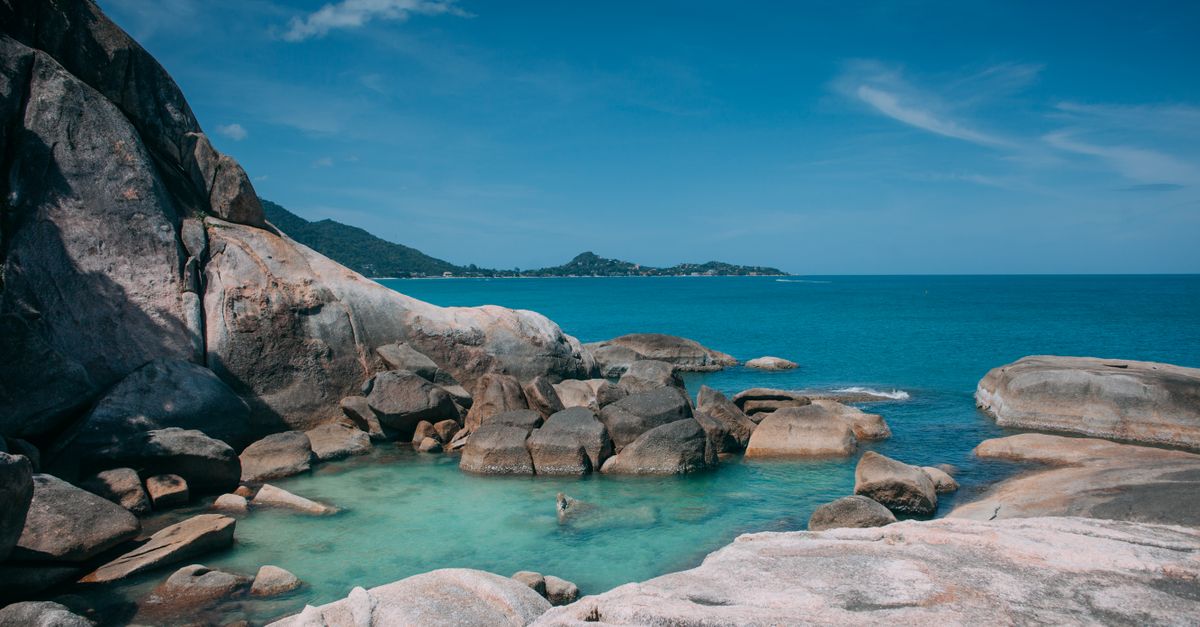
Koh Phangan: Famous globally for its Full Moon Parties, Koh Phangan offers much more than just revelry. Discover secluded coves like Bottle Beach, practice yoga in the spiritual hub of Sri Thanu, or trek to stunning viewpoints like Phaeng Noi. The island pulses with a bohemian energy, blending lively beach parties with a deep connection to nature and wellness.
Wat Phra Borommathat Chaiya: This ancient temple, dating back to the Srivijaya Empire, is one of Southern Thailand’s most significant historical sites. The distinctive stupa, shaped like a bell, is an architectural marvel. Visiting here offers a profound glimpse into the region’s rich Buddhist heritage and ancient past, transporting you back centuries.
Surat Thani City: The provincial capital itself provides a more authentic glimpse into local Thai life. Explore the bustling morning market, sample regional delicacies, and visit the City Pillar Shrine. It’s a practical hub for transport and a chance to experience the everyday rhythms of Southern Thailand away from the tourist crowds.
![[Alt2]](https://images.pexels.com/photos/33853025/pexels-photo-33853025.jpeg?auto=compress&cs=tinysrgb&fit=crop&h=627&w=1200?auto=compress&cs=tinysrgb&fit=crop&h=627&w=1200 "Surat Thani 2026: Gateway to Koh Samui, Phangan & Tao 6")
Seasonal & cultural calendar (2026)
Surat Thani’s climate is tropical, with high temperatures and humidity year-round. Understanding the seasonal patterns will help you plan the perfect trip. The peak tourist season aligns with the dry, cooler months, making it the ideal time for beach activities and island hopping.
November to April (Dry Season): This period is considered the best time to visit Surat Thani. The weather is predominantly sunny with lower humidity and minimal rainfall. Sea conditions are calm, perfect for ferry travel and water sports. This is also when many international visitors flock to the islands, contributing to a lively atmosphere and a wider range of organized tours and activities.
May to October (Wet Season): While this is the rainy season, showers are often short-lived, typically occurring in the afternoon or evening. The landscape becomes incredibly lush and vibrant. Prices for accommodation and flights may be lower, offering a more budget-friendly experience. Some smaller islands or less developed areas might have limited ferry services due to rougher seas.
Key Events in 2026:
- Loy Krathong (November): Celebrated on the full moon of the 12th Thai lunar month. Locals and tourists float krathongs (decorated baskets) on rivers and the sea, releasing worries and honoring the water goddess. The air is filled with the scent of incense and candles.
- Chinese New Year (Late January/Early February): Celebrated with enthusiasm, particularly in areas with a significant Chinese-Thai population. Expect vibrant decorations, delicious food, and lively street celebrations.
- Songkran (Thai New Year, April): A nationwide water festival marking the Thai New Year. While famous for its water fights, it’s also a time for family and paying respects to elders. The spirit of joyous splashing pervades the air.
- Full Moon Parties (Koh Phangan, Monthly): These legendary parties on Haad Rin beach are held on the night of the full moon, drawing thousands of revelers. While the core event is centered on music and dancing, there’s a growing emphasis on responsible tourism and minimizing environmental impact.
Local culture & dining
The heart of Surat Thani beats in its vibrant culture and tantalizing cuisine. Immerse yourself in the local way of life, and let your taste buds embark on an adventure.
Dishes to Savor: Surat Thani’s culinary landscape is a delightful fusion of Thai flavors, with a strong emphasis on fresh seafood. Don’t miss Gaeng Som Pla, a sour and spicy fish curry, often featuring local fish like mackerel. Khao Yam Pak Tai, a southern Thai salad with a complex mix of herbs, vegetables, and toasted coconut, is a refreshing and aromatic experience. For a quick bite, try Moo Hong, a slow-braised pork belly dish, rich and savory. Seafood lovers must indulge in freshly grilled prawns, squid, and fish, often seasoned simply to highlight their natural flavors.
Etiquette and Customs: Thais are known for their politeness and respect. The wai, a gesture of placing your palms together in a prayer-like manner, is the customary greeting. Always remove your shoes before entering someone’s home or a temple. While eating, it’s customary to use a spoon and fork; the fork is used to push food onto the spoon, which is then used to eat. Avoid touching people on the head, as it’s considered the most sacred part of the body. Patience and a smile go a long way in every interaction.
Sensory Immersion: The air in Surat Thani is a fragrant tapestry. In the morning markets, the pungent aroma of fermented shrimp paste mingles with the sweetness of ripe mangoes and the earthy scent of fresh herbs. As you wander, the sizzle and spice of street food cooking fills the air. In the evenings, the gentle sound of cicadas hums, punctuated by the distant calls of vendors and the ever-present murmur of the sea. The vibrant colors of fresh produce, intricate temple architecture, and the azure of the ocean create a visual feast.
Survival & insider tips
To truly unlock the magic of Surat Thani, arm yourself with knowledge that goes beyond the guidebooks. Avoiding common pitfalls and embracing local wisdom will elevate your journey.
Beware of Scams: While Surat Thani is generally safe, be wary of common tourist scams, such as inflated taxi fares, overpriced gem or tailor shops, and “too good to be true” tour deals. Always agree on a price before services are rendered, and book tours through reputable agencies or your accommodation.
Navigating Neighborhoods: In Koh Samui, Chaweng is bustling and energetic, while Bophut offers a more laid-back, charming atmosphere. Koh Phangan’s Haad Rin is the party hub, but explore the quieter northern and western coasts for serene beaches and wellness retreats. In Surat Thani city, the area around the train station and the main market is central for local life.
Common Mistakes to Avoid: Don’t underestimate the power of the sun; always use high SPF sunscreen and stay hydrated. Dress modestly when visiting temples – cover your shoulders and knees. Trying to see too much in too little time can lead to burnout; embrace a slower pace and soak in the atmosphere. Lastly, don’t be afraid to try local food from street stalls; it’s often the most delicious and authentic experience.

Budget and costs
Surat Thani offers a spectrum of pricing, from backpacker-friendly bungalows to luxurious island resorts. Planning your budget effectively ensures a rewarding experience without financial stress. The cost of travel here is generally lower than in many Western destinations, allowing for a more extended and immersive stay.
Accommodation: Budget travelers can find hostels and basic guesthouses for $10-20 per night. Mid-range hotels and bungalows typically range from $30-70 per night. For those seeking luxury, beachfront villas and resorts can cost $100+ per night, especially on popular islands like Koh Samui.
Food: Eating like a local is incredibly affordable. Street food and local eateries offer delicious meals for $2-5. Mid-range restaurants might charge $8-15 for a dish, while fine dining or resort restaurants could be $20-40 or more.
Transportation: Getting around the mainland and between islands involves ferries, buses, and local transport like songthaews (shared taxis) and tuk-tuks. Ferry tickets to popular islands usually cost $5-15. Short taxi rides on the islands can range from $3-10, depending on the distance.
Activities: Entrance fees for national parks are typically modest, around $5-10. Organized tours, such as boat trips to Ang Thong Marine Park or diving excursions, can range from $40-100+ depending on the duration and inclusions.
Currency and payment methods
The official currency of Thailand is the Thai Baht (THB). It’s advisable to arrive with some cash, but you’ll find plenty of opportunities to exchange money or withdraw from ATMs.
ATMs: Widely available in cities, towns, and major tourist areas on the islands. Most international cards are accepted, but check with your bank for foreign transaction fees. It’s common to have a small fee charged by the local ATM provider on top of your bank’s fees.
Credit Cards: Accepted in most hotels, larger restaurants, department stores, and tour operators. Smaller shops, local markets, and street vendors primarily operate on cash.
Cash: Essential for everyday purchases like street food, local transport, market shopping, and tipping. It’s useful to carry smaller denominations for convenience.
Money Exchange: Numerous exchange booths are available at airports and in tourist hotspots. Exchange rates are generally competitive, but it’s wise to compare a few options.
Visa and entry requirements
Thailand maintains a traveler-friendly visa policy. For many nationalities, entry is straightforward, allowing for an enjoyable and hassle-free visit.
Visa Exemption: Citizens of many countries are granted a visa exemption for stays of up to 30 days upon arrival by air. This exemption can often be extended for an additional 30 days at an immigration office for a fee.
Passport Validity: Your passport must be valid for at least six months beyond your intended stay in Thailand.
Proof of Onward Travel: While not always strictly enforced, immigration officers may request proof of onward travel (e.g., a flight ticket out of Thailand) to ensure you do not intend to overstay your visa-free period.
ETIAS/EES: As of the current information, Thailand does not require ETIAS or EES for entry. Travelers should always verify the latest requirements with the Royal Thai Embassy or Consulate in their home country before departure.
Visa on Arrival: For citizens of countries not covered by the visa exemption, a Visa on Arrival may be available. This typically requires specific documentation and a fee. It is recommended to apply for a visa in advance if this applies to you.
Hidden gems
Beyond the famous beaches and parties, Surat Thani guards secrets waiting to be discovered by the intrepid traveler.
Khlong Sok River: While Khao Sok National Park is renowned for its lake, exploring the river by bamboo raft offers a more intimate connection with the jungle. Glide past towering trees, spot hornbills, and listen to the symphony of the rainforest. It’s a tranquil experience far removed from the crowds.
Namtok Wiang Sa: A beautiful waterfall located about an hour from Surat Thani city. It’s less visited by international tourists, offering a peaceful escape and a chance to swim in natural pools surrounded by verdant scenery.
Local Fishing Villages: Venture to smaller coastal communities away from the main tourist hubs. Witness traditional fishing practices, enjoy incredibly fresh seafood at local prices, and experience genuine Thai hospitality. These villages offer a window into a simpler, more traditional way of life.
Chiao Lan Lake Sunrise/Sunset: While visiting the lake is a must, make an effort to witness it at dawn or dusk. The mist rising from the water, the ethereal light catching the karsts, and the profound silence create a magical, almost spiritual atmosphere. Staying overnight in a floating bungalow is highly recommended for this.
Comparison table (seasons or attendance periods)
| Season | Months | Weather | Crowds | Activities | Pros | Cons |
|---|---|---|---|---|---|---|
| Peak Season | November – April | Dry, sunny, lower humidity | High | Island hopping, diving, snorkeling, beach activities | Best weather, calm seas, vibrant atmosphere | Higher prices, more crowded beaches |
| Green Season (Wet Season) | May – October | Hot & humid, afternoon/evening showers | Low to Medium | Jungle trekking, exploring waterfalls, cultural sites | Lower prices, lush landscapes, fewer crowds | Potential for rough seas, some activities may be limited |
Frequently asked questions
What is the best way to travel between islands in Surat Thani?
Ferries are the most common and reliable method for island hopping. Services connect Surat Thani mainland (from Donsak Pier) to Koh Samui, Koh Phangan, and Koh Tao. Prices vary depending on the ferry company and speed, typically ranging from $5 to $15.
Is it safe to drink tap water in Surat Thani?
No, it is not recommended to drink tap water in Thailand. Always consume bottled water, which is widely available and inexpensive. Many accommodations also provide filtered water dispensers.
What should I pack for a trip to Surat Thani in 2026?
Pack lightweight, breathable clothing, swimwear, a hat, sunglasses, reef-safe sunscreen, insect repellent, a reusable water bottle, comfortable walking shoes or sandals, and a waterproof bag for electronics. Modest clothing is also advisable for temple visits.
Are there any specific cultural etiquette I should be aware of?
Yes, always show respect for the monarchy and Buddhist religion. Remove your shoes before entering homes and temples. Avoid touching people’s heads and pointing with your feet. The ‘wai’ is the traditional greeting. A smile and politeness go a long way.
What are the best street food experiences in Surat Thani?
Explore local markets for an authentic taste. Look for stalls selling Pad Thai, Som Tum (papaya salad), grilled meats (moo ping), fresh fruit smoothies, and local curries. Don’t be afraid to try dishes that look popular with locals; this is often a sign of quality and authenticity.
Dos and don’ts: 5 tips for dealing with locals
- Do smile often and be polite. A friendly demeanor is highly valued.
- Do learn a few basic Thai phrases like “Sawasdee ka/krap” (hello) and “Khop khun ka/krap” (thank you).
- Do dress modestly when visiting temples or rural areas.
- Don’t raise your voice or become confrontational, especially when disputes arise. Patience is key.
- Don’t disrespect images of the King or Buddha. These are deeply revered.
Essential tools
For an optimal Surat Thani experience in 2026, consider these essentials:
- Offline Maps: Download maps of Surat Thani and the islands via Google Maps or Maps.me for navigation without data.
- Translation App: A good translation app can bridge language barriers in local interactions.
- Power Bank: Essential for keeping your devices charged on long ferry rides or during day trips.
- Universal Travel Adapter: Ensure your electronics can be charged. Thailand uses Type A, B, C, and F sockets.
- Small Backpack: Perfect for day trips to carry water, sunscreen, snacks, and your camera.
Ready to dive into the magic of Surat Thani? What aspect of this southern Thai paradise are you most excited to explore first?