
Seville Tourism beckons with a promise of sun-drenched plazas, the intoxicating scent of orange blossoms, and the passionate rhythm of flamenco. This Andalusian capital, a city where history whispers from every cobblestone and vibrant culture pulsates through its veins, offers an unforgettable journey for every traveler. From ancient Moorish palaces to the lively tapas bars that spill onto narrow streets, Seville is a sensory feast.

TL;DR / Quick Answer Box
Best time to visit: Spring (March-May) and Autumn (September-October) offer pleasant temperatures and fewer crowds.
Top 2026 highlight: The vibrant Holy Week (Semana Santa) processions and the joyful Feria de Abril are unparalleled cultural experiences.
Identity Card (Contextual):
City: Seville, Spain
Weather: Hot and dry summers (June-August), mild and wet winters (December-February), with pleasant spring and autumn.
Gear: Comfortable walking shoes are essential. Light clothing for warmer months, a light jacket for evenings and cooler seasons. Sunscreen, a hat, and sunglasses are a must, especially in summer.
Sensory vibe: A captivating blend of Moorish elegance, Andalusian passion, and the sweet perfume of orange blossoms. Expect the sounds of flamenco guitar, the clinking of tapas plates, and the murmur of animated conversations.
Seville in 2026: Logistics & Essentials
Navigating Seville in 2026 is streamlined, but a little preparation ensures a smooth experience. For many international visitors, entry requirements are straightforward. Spain, as part of the Schengen Area, generally requires visitors from certain countries to have a valid passport and, depending on the duration of stay and nationality, potentially a Schengen visa. The upcoming ETIAS (European Travel Information and Authorisation System) and EES (Entry/Exit System) will introduce an electronic authorisation for visa-exempt travelers, so it’s wise to check the latest official requirements for your specific nationality closer to your travel date.
The currency in Seville, and throughout Spain, is the Euro (€). While credit and debit cards are widely accepted in most establishments, carrying some cash for smaller purchases or in more traditional markets is advisable. ATMs are readily available, but it’s good practice to inform your bank of your travel dates to avoid any card holds.
Safety in Seville is generally high, with common sense precautions being the most effective strategy. Be aware of your surroundings, especially in crowded tourist areas, to guard against petty theft. Stick to well-lit and populated areas at night. The daily budget can vary significantly based on your travel style, but for a comfortable mid-range trip, budgeting around €100-€150 per person per day, excluding accommodation, is a reasonable starting point. This covers meals, local transport, attraction entry fees, and some discretionary spending.
| Category | Budget (Low) | Budget (Mid) | Budget (High) |
|---|---|---|---|
| Food & Drink | €30-€50 | €60-€80 | €100+ |
| Attractions & Activities | €20-€30 | €40-€60 | €70+ |
| Local Transport | €5-€10 | €10-€20 | €20+ |
| Miscellaneous (souvenirs, etc.) | €10-€20 | €20-€40 | €50+ |
| Total Estimated Daily | €65-€110 | €130-€200 | €240+ |
Unveiling Seville’s Iconic Destinations & Landmarks
Seville’s historical tapestry is woven with threads of Moorish splendor, Gothic grandeur, and Renaissance artistry. The crown jewel is undoubtedly the Real Alcázar of Seville. This UNESCO World Heritage site is a breathtaking royal palace complex, showcasing a stunning fusion of Mudejar, Gothic, Renaissance, and Baroque architectural styles. Wander through its intricate courtyards, lush gardens filled with fragrant orange trees and fountains, and imagine centuries of royal life unfolding within its walls. The sheer artistry in the tilework and stucco is mesmerizing.
Adjacent to the Alcázar stands the magnificent Seville Cathedral, the largest Gothic cathedral in the world and another UNESCO World Heritage site. It is built on the former site of a great mosque, and its iconic bell tower, La Giralda, was once the mosque’s minaret. Climbing La Giralda offers panoramic views of the city that are simply unparalleled. Inside, the cathedral is vast and awe-inspiring, housing the tomb of Christopher Columbus.
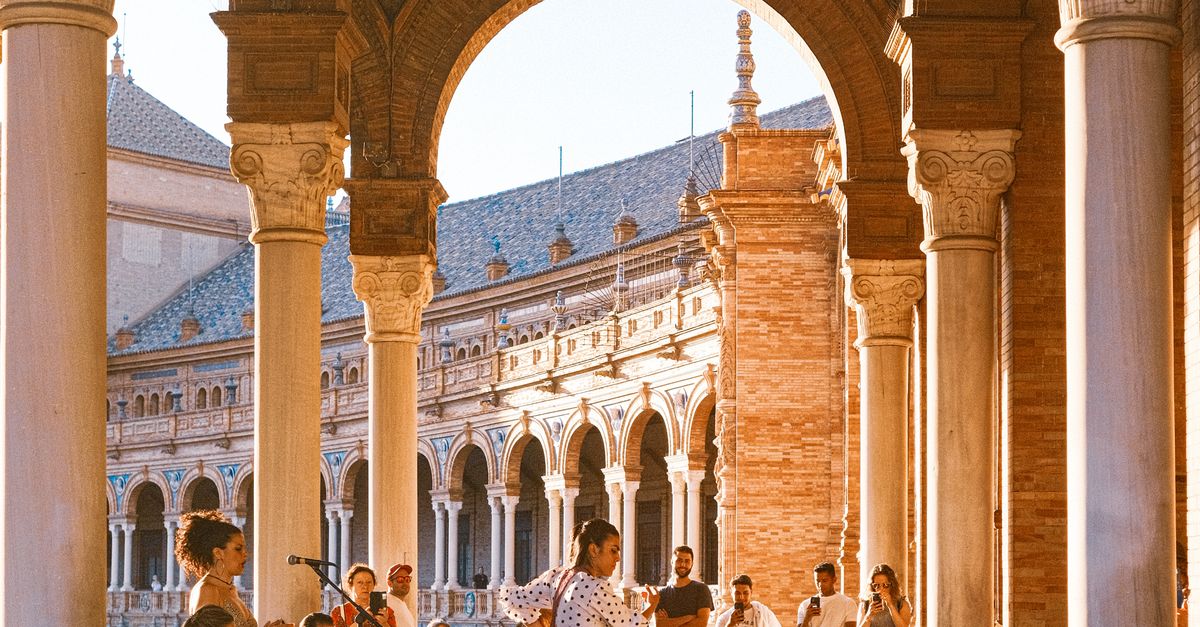
For a more modern, yet equally captivating experience, Plaza de España is an absolute must-see. Built for the Ibero-American Exposition of 1929, this semi-circular plaza is a marvel of romanticist architecture, featuring a canal that can be navigated by rowboat, ornate bridges, and beautiful tiled alcoves representing each province of Spain. It’s a place that instantly ignites the imagination and provides endless photo opportunities.
The historic Jewish Quarter, Barrio Santa Cruz, is a labyrinth of narrow, winding streets, whitewashed houses adorned with colorful flowers, and hidden courtyards. Getting lost here is part of the charm; each turn reveals a picturesque scene, a quaint tapas bar, or a charming plaza where locals gather. The scent of jasmine often hangs in the air, adding to the romantic atmosphere.
Another gem is the Metropol Parasol, affectionately known as “Las Setas” (The Mushrooms) due to its distinctive shape. This contemporary wooden structure offers a unique perspective on the city from its elevated walkways, providing modern architecture alongside ancient Roman ruins that can be viewed beneath it. It’s a striking contrast to Seville’s historical heart, showcasing the city’s ability to embrace the new while honoring the old.
Seville’s Seasonal & Cultural Calendar (2026)
Seville’s year is punctuated by vibrant festivals and events that showcase its rich cultural heritage. The prime time to visit for pleasant weather and lively atmosphere is either spring (March-May) or autumn (September-October). During these months, the temperatures are warm but not scorching, perfect for exploring the city on foot.
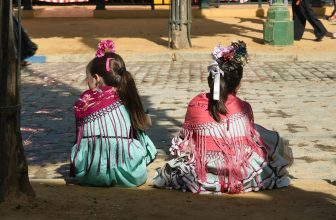
Spring is particularly spectacular due to two of Seville’s most iconic celebrations. Semana Santa (Holy Week), held in the week leading up to Easter, is a deeply religious and emotionally charged event. Elaborate processions featuring richly decorated pasos (floats) are carried through the streets by nazarenos (penitents) in distinctive costumes. The air is thick with incense, the somber sounds of hymns, and the collective emotion of thousands. Following Holy Week is the Feria de Abril (April Fair), a week-long explosion of color, music, and dancing. The fairgrounds, or *real*, are transformed into a temporary village of casetas (tents) where Sevillanos dress in traditional flamenco attire, dance sevillanas, and enjoy tapas and sherry late into the night. It’s an unforgettable spectacle of Andalusian joy and hospitality.
Summer (June-August) in Seville is characterized by intense heat. While visiting during this time is possible, early mornings and late evenings become the primary times for exploration. The city still buzzes with life, but the heat can be a significant factor, making siestas a necessity. However, summer also brings outdoor flamenco performances and a more relaxed pace.
Autumn (September-October) offers a delightful return to comfortable temperatures, making it an ideal time to revisit the major landmarks and enjoy al fresco dining. The golden light of autumn casts a beautiful glow over the city, and the crowds begin to thin after the summer rush. The harvest season for olives and grapes often brings local gastronomic events.
Winter (November-February) is mild, with occasional rain. While not as bustling with festivals as spring, it offers a more serene experience of Seville. The city is beautifully decorated for Christmas, and the cooler temperatures are perfect for enjoying hearty Spanish cuisine and exploring museums without the summer heat. It’s an excellent time to experience local life at a more relaxed pace.
Immersing in Local Culture & Dining
The heart of Seville’s culture beats in its vibrant social life and its world-renowned culinary scene. The city is synonymous with tapas, and experiencing them is not just about eating; it’s a social ritual. Imagine stepping into a lively bar where locals stand shoulder-to-shoulder, sharing small plates and engaging in animated conversation. The air is a symphony of clinking glasses, the sizzle of frying calamari, and boisterous laughter.
Sevillian cuisine is rooted in fresh, local ingredients. Must-try dishes include Gazpacho or Salmorejo, refreshing cold tomato soups perfect for warmer days. Espinacas con Garbanzos (spinach with chickpeas) is a flavorful vegetarian classic, often seasoned with cumin and paprika. For seafood lovers, Gambas al Ajillo (garlic shrimp) is a ubiquitous and delicious choice, served sizzling hot. Don’t miss trying Solomillo al Whisky (pork tenderloin in whisky sauce) or the simple yet satisfying Jamón Ibérico, the exquisite cured ham that is a Spanish delicacy.
The local etiquette is relaxed and friendly. Spaniards are generally warm and welcoming. When dining, it’s common to enjoy a leisurely meal, and rushing is not the norm. Learning a few basic Spanish phrases like “Hola” (Hello), “Gracias” (Thank you), and “Por favor” (Please) will be greatly appreciated. When entering a tapas bar, especially a busy one, you might need to politely signal to the bartender that you’re ready to order. Tipping is not obligatory in the same way as in some other countries; a small amount left for exceptional service is appreciated but not expected.
The sensory experience of Seville extends beyond taste. The distinctive scent of orange blossoms, particularly in spring, is unforgettable, mingling with the aroma of roasted meats and fresh bread from bakeries. The sounds of flamenco music, whether live in a tablao or drifting from an open window, are ever-present, evoking passion and emotion. The visual feast of colorful ceramics, intricate tilework, and the vibrant hues of flamenco dresses adds another layer to the immersive cultural experience.
Seville Survival & Insider Tips
To truly enjoy Seville like a local and avoid common pitfalls, a few insider tips can make all the difference. While Seville is generally safe, be mindful of pickpockets, particularly in very crowded tourist areas like near the Cathedral, Plaza de España, and on crowded buses. Keep your belongings secure and be aware of your surroundings; distraction techniques are sometimes employed by thieves.
When exploring neighborhoods, embrace the charm of getting lost. Barrio Santa Cruz is best discovered on foot with no fixed plan. For a more local feel, venture into neighborhoods like Triana, known for its ceramics and traditional flamenco heritage, or La Macarena, which offers a glimpse into a more residential and authentic Seville. Avoid the very tourist-trap restaurants directly adjacent to major attractions, which often offer lower quality food at higher prices. Instead, wander a few streets away to find more authentic and affordable tapas bars.
A common mistake is trying to see too much in too little time, especially during the hotter months. Embrace the Andalusian pace of life. Schedule your sightseeing for the cooler parts of the day and plan for a leisurely siesta during the hottest midday hours. Remember that many smaller shops may close for a few hours in the afternoon.

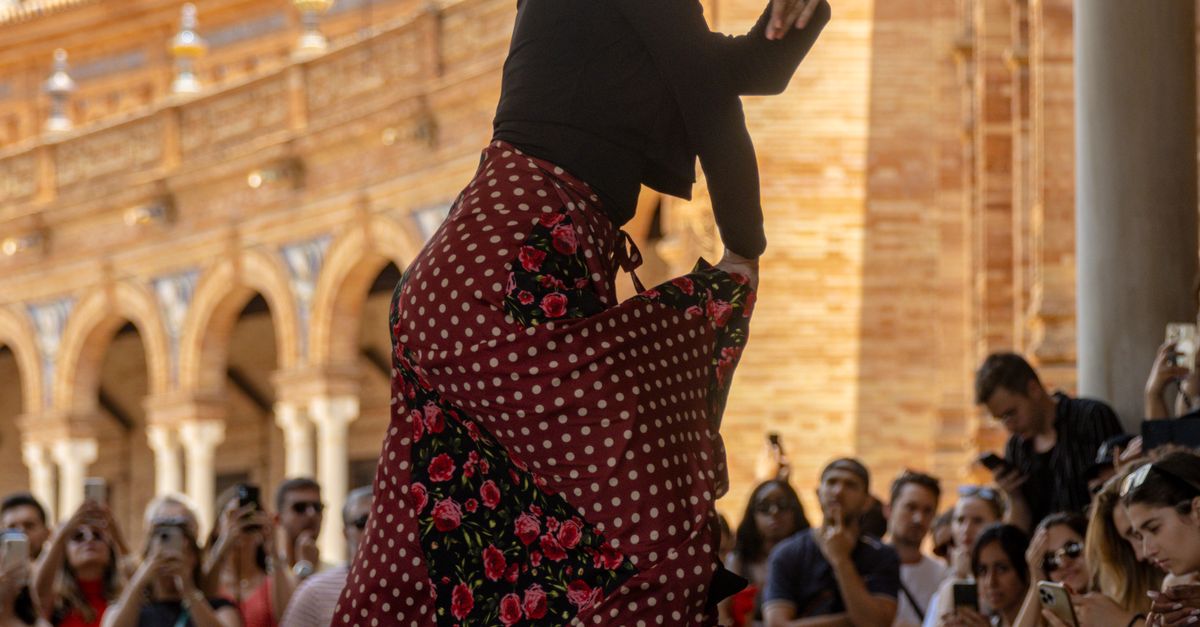
For an authentic flamenco experience, look beyond the most heavily advertised shows. Seek out tablaos recommended by locals or smaller venues where the performance feels more intimate and raw. Consider booking tickets in advance for major attractions like the Alcázar and Cathedral to save time queuing, especially during peak season.
Budget and Costs in Seville
Seville offers a range of experiences to suit different budgets. The city is generally more affordable than Madrid or Barcelona, making it an attractive destination for budget-conscious travelers. Accommodation prices can vary significantly, from budget-friendly hostels and guesthouses to boutique hotels and luxury establishments. Booking in advance, especially if traveling during peak festival times like Semana Santa or Feria de Abril, is crucial.
Food is one area where you can easily manage your budget. Embracing the tapas culture is key. You can enjoy a satisfying meal by hopping between several tapas bars, ordering a few small dishes at each. This is often more economical than a sit-down meal at a formal restaurant. Look for bars packed with locals; they usually offer the best value and authentic flavors.
Entrance fees for major attractions like the Alcázar and Cathedral are reasonable, but these costs can add up if you plan to visit many paid sites. Consider purchasing a Seville tourist card if you intend to visit multiple museums and attractions and use public transport extensively, as it can offer savings.
Currency and Payment Methods
The official currency in Seville, as in all of Spain, is the Euro (€). Euros can be obtained from ATMs (cajeros automáticos) across the city. Most ATMs are connected to international networks, but it’s advisable to check with your bank about any fees associated with international withdrawals. Banks typically offer the most favorable exchange rates.
Credit and debit cards are widely accepted in hotels, restaurants, shops, and larger attractions. Visa and Mastercard are the most common. However, it is always a good idea to carry some cash for smaller purchases, such as at local markets, small cafes, or for tipping street performers. Some smaller establishments might prefer cash transactions, particularly in less touristy areas. Always ensure you have enough cash for immediate needs.
Visa and Entry Requirements
Spain is a member of the Schengen Area. Visitors from many countries, including the United States, Canada, Australia, and New Zealand, can enter Spain visa-free for tourism purposes for stays of up to 90 days within a 180-day period. However, it is essential to check the latest regulations, as these can change.
For nationalities requiring a visa, the Schengen visa is generally applicable. This visa allows travel within the Schengen Area. Applications should typically be made through the Spanish embassy or consulate in your country of residence well in advance of your travel date.
As mentioned, the upcoming implementation of the ETIAS (European Travel Information and Authorisation System) for visa-exempt travelers will require an online authorization before travel. It is crucial to stay informed about these new requirements as they are rolled out to ensure a smooth entry into Spain and the Schengen Area.
Hidden Gems of Seville
Beyond the iconic landmarks, Seville holds many delightful hidden gems waiting to be discovered. Casa de Pilatos is a stunning Andalusian palace that predates the Alcázar and offers a more intimate experience. It features an exquisite blend of Mudejar, Gothic, and Renaissance styles, with beautiful patios and gardens that are a joy to explore without the overwhelming crowds.
For a taste of local life and authentic ceramics, cross the Guadalquivir River to the Triana neighborhood. Wander its lively market, Mercado de Triana, sample local produce, and visit the traditional ceramic workshops that have been a hallmark of the area for centuries. The **Museo del Baile Flamenco** (Flamenco Dance Museum) offers a deep dive into the history and soul of this passionate art form, often with excellent live performances.
Seek out the smaller, less-touristed plazas scattered throughout the city, such as Plaza de los Venerables in Barrio Santa Cruz, a tranquil square often overlooked by those rushing to major sights. These are places where you can sit with a coffee or a glass of wine and truly soak in the local atmosphere. For a unique perspective on Seville’s history, visit the Antiquarium beneath the Metropol Parasol to see well-preserved Roman and Moorish ruins.
| Season | Pros | Cons | Average Temperature (°C) | Crowds |
|---|---|---|---|---|
| Spring (Mar-May) | Pleasant weather, orange blossoms, Semana Santa, Feria de Abril | Crowded during festivals, can be unpredictable weather early spring | 15-25°C | High during festivals, moderate otherwise |
| Summer (Jun-Aug) | Long days, lively evenings, fewer international tourists | Extreme heat, many locals on holiday, siesta closures | 25-40°C+ | Moderate |
| Autumn (Sep-Oct) | Comfortable temperatures, beautiful light, fewer crowds than spring | Shorter days towards late autumn | 18-28°C | Moderate |
| Winter (Nov-Feb) | Mild temperatures, festive atmosphere, fewer crowds, lower prices | Higher chance of rain, cooler evenings | 10-18°C | Low |
Frequently Asked Questions about Seville
When is the absolute best time to visit Seville for pleasant weather and fewer crowds?
The shoulder seasons, particularly late March to May and September to October, offer the most balanced experience with comfortable temperatures and a manageable number of tourists. Early spring sees the city in bloom, while autumn provides warm days perfect for exploring.
Is Seville an expensive city to visit?
Compared to other major European capitals, Seville is relatively affordable. You can enjoy delicious tapas for a few euros each, and accommodation options cater to a range of budgets. Planning your meals and looking for deals can significantly reduce costs.
How important is it to speak Spanish in Seville?
While many people in tourist areas will speak some English, knowing basic Spanish phrases will greatly enhance your experience and show respect for the local culture. “Hola,” “Gracias,” “Por favor,” and “Una cerveza, por favor” (A beer, please) are very useful.
What is the best way to get around Seville?
Seville’s historic center is very walkable. For longer distances, the city has an efficient bus system and a metro line. Cycling is also a popular and enjoyable way to see the city, with numerous bike rental options available.
Are there any specific scams I should be aware of in Seville?
Be cautious of common tourist scams like the “rose scam” (someone offering you a rose and then demanding payment) or pickpocketing in crowded areas. Always keep your valuables secure and be wary of overly friendly strangers offering unsolicited help.
Call to Action: Are you ready to experience the passion and beauty of Seville for yourself? Start planning your unforgettable Andalusian adventure today!
Dos and Don’ts:
- Do embrace the tapas culture by trying a variety of small dishes at different bars.
- Do learn a few basic Spanish phrases; it goes a long way with locals.
- Do wear comfortable shoes, as you’ll be doing a lot of walking on cobblestone streets.
- Don’t try to squeeze too many attractions into one day, especially during the heat of summer.
- Don’t be afraid to venture into less touristy neighborhoods to discover authentic local life.
Essential Tools for Your Trip:
- Comfortable walking shoes
- Lightweight, breathable clothing (especially for summer)
- Sunscreen, hat, and sunglasses
- A portable power bank for your devices
- A reusable water bottle
- A Spanish phrasebook or translation app
Mini Trip Guide: A Taste of Seville in 3 Days
- Day 1: Royal Grandeur. Morning: Explore the Real Alcázar. Afternoon: Climb La Giralda and visit Seville Cathedral. Evening: Wander through Barrio Santa Cruz and enjoy tapas.
- Day 2: Artistic Flair. Morning: Immerse yourself in the beauty of Plaza de España and Parque de María Luisa. Afternoon: Visit the Triana neighborhood, explore its market and ceramic shops. Evening: Experience an authentic flamenco show.
- Day 3: Modern Meets History. Morning: Discover the Metropol Parasol and the Antiquarium. Afternoon: Visit Casa de Pilatos or the Museum of Fine Arts. Evening: Enjoy a final Sevillian dinner by the Guadalquivir River.