
Toulouse Travel promises an unforgettable journey into the heart of France’s Occitanie region. Known as “La Ville Rose” for its distinctive terracotta-hued buildings, Toulouse offers a captivating blend of history, culture, and vibrant modern life. From its Roman roots to its status as a European aerospace hub, this southern French gem invites exploration with open arms.

TL;DR: Best time to visit Toulouse is Spring (April-June) or Fall (September-October) for pleasant weather and fewer crowds. A top 2026 highlight will be the ongoing cultural events celebrating Toulouse’s rich heritage.
Toulouse Identity Card:
City: Toulouse
Country: France
Weather: Mild oceanic climate with warm summers and cool winters. Expect sunshine year-round, but pack layers.
Gear: Comfortable walking shoes are essential, a light rain jacket, and a reusable water bottle.
Sensory Vibe: A lively hum of conversation in French, the aroma of freshly baked croissants mixed with hints of cassoulet, the sight of rose-red architecture against a cerulean sky, and the gentle lapping of the Garonne River.
2026 logistics & essentials
Navigating Toulouse in 2026 is straightforward, thanks to efficient infrastructure and evolving entry requirements. As France is part of the Schengen Area, travelers from many countries will benefit from the upcoming European Travel Information and Authorisation System (ETIAS) and the Entry/Exit System (EES), designed to streamline border crossings for non-EU citizens. It’s wise to check the latest official requirements well in advance of your trip.
The currency in Toulouse, as throughout France, is the Euro (€). Credit and debit cards are widely accepted in shops, restaurants, and hotels, but it’s always a good idea to carry some cash for smaller purchases or local markets. ATMs are readily available. Safety in Toulouse is generally high, with petty crime being the most common concern, particularly in crowded tourist areas. Standard precautions, such as being aware of your surroundings and securing your belongings, are recommended.
A reasonable daily budget for a solo traveler in Toulouse can range from €80 to €150, depending on accommodation choices and dining preferences. This typically covers accommodation, meals, local transport, and entry fees for attractions. Families or couples may find their per-person cost slightly lower. The city is well-served by public transport, including a metro system, trams, and buses, making it easy to get around without a car.
| Category | Estimated Daily Cost (EUR) |
|---|---|
| Budget Traveler (Hostel, street food) | €70 – €100 |
| Mid-Range Traveler (3* hotel, restaurant meals) | €100 – €170 |
| Comfort Traveler (4* hotel, fine dining) | €170+ |
| Attractions/Activities | €20 – €40 |
Destinations & landmarks
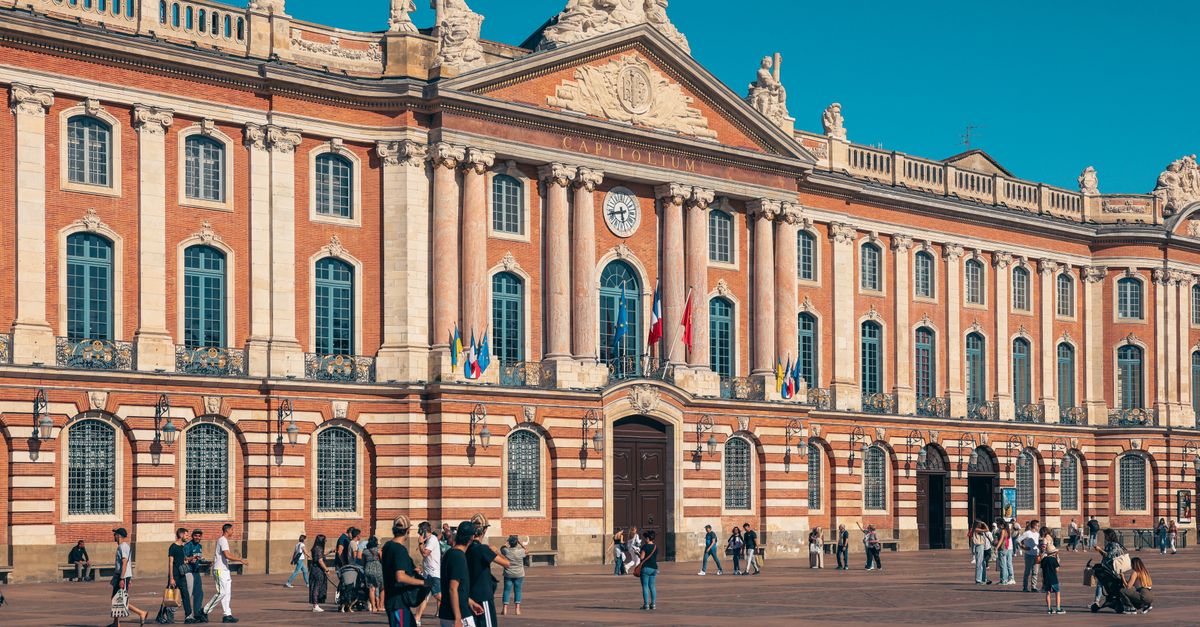
Toulouse is steeped in history and architectural beauty, offering a wealth of must-see destinations. The heart of the city is the magnificent Place du Capitole, a grand square dominated by the Capitole de Toulouse, the city’s town hall and opera house. Its imposing Neoclassical facade is a testament to the city’s civic pride.
No visit is complete without exploring the Basilica of Saint-Sernin, a UNESCO World Heritage site and one of the largest Romanesque churches in Europe. Its impressive architecture and spiritual significance draw visitors from around the globe. The Cité de l’Espace, a space exploration theme park, offers a unique glimpse into the world of rockets, satellites, and astronauts, making it a hit for all ages.
For a taste of the city’s vibrant student life and bohemian atmosphere, wander through the historic Carmes district. Here, you’ll find charming narrow streets, lively bistros, and local boutiques. The Jacobins Convent, with its striking palm-tree-like vaulted ceiling, is another architectural marvel that showcases Gothic artistry at its finest. Don’t miss a stroll along the banks of the Garonne River, where you can admire the Pont Neuf, the oldest bridge in Toulouse, and enjoy picturesque views of the city’s pink-hued buildings.
Seasonal & cultural calendar (2026)
Toulouse truly comes alive throughout the year, with each season offering a distinct charm. Spring (April to June) is a particularly delightful time to visit. The weather is mild, the city parks are in bloom, and outdoor cafes begin to buzz with activity. This period often sees local festivals and open-air markets spring to life.
Summer (July to August) brings warm, sunny days perfect for enjoying the city’s many outdoor terraces and riverside activities. While it can be busier with tourists, the longer daylight hours allow for extended exploration. Be aware that some smaller businesses might close for a few weeks in August. Autumn (September to October) offers a crisp, refreshing atmosphere. The fall colors add a beautiful dimension to the cityscape, and it’s an excellent time for cultural events and wine festivals in the surrounding region.
Winter (November to March) is quieter, with cooler temperatures and a cozy ambiance. The Christmas markets are a magical sight, and museums offer a warm refuge. Toulouse’s cultural calendar is always full. While specific dates for 2026 events are still to be announced, expect a continuation of vibrant celebrations like the Printemps de Septembre, a multidisciplinary arts festival, and various music and film events that punctuate the year. The Grand Prix de Pau is a highlight for motorsport enthusiasts in the nearby region.
Local culture & dining
The culture of Toulouse is deeply rooted in its Southern French heritage, characterized by a warm, convivial spirit and a passion for good food and conversation. You’ll notice a lively, relaxed pace of life, especially in the evenings when locals gather at cafes and restaurants. The Occitan language, though less commonly spoken today, has left its mark on local traditions and dialect.
When it comes to dining, Toulouse is a gastronomic delight. The undisputed culinary star is cassoulet, a rich, slow-cooked stew of white beans, duck confit, sausage, and pork. It’s a hearty dish that perfectly embodies the region’s culinary traditions. Other local specialties include saucisse de Toulouse (a distinctively flavored pork sausage) and foie gras. Don’t miss sampling the local cheeses and accompanying them with a glass of Gaillac or Cahors wine from the nearby vineyards.
The aromas wafting from bakeries – the sweet scent of pain au chocolat and croissants – are irresistible. As you explore the markets, like the Marché Victor Hugo, your senses will be further awakened by the vibrant colors of fresh produce, the pungent smell of ripe cheeses, and the bustling sounds of vendors and shoppers. Dining etiquette is generally relaxed, but showing appreciation for the food and taking the time to savor your meal is always valued. Learning a few basic French phrases like “Bonjour,” “Merci,” and “S’il vous plaît” will be greatly appreciated by locals.


Survival & insider tips
To make the most of your Toulouse adventure, a few insider tips can go a long way. While generally a safe city, be mindful of pickpockets in crowded tourist spots like Place du Capitole or on public transport. Keep your valuables secure and be aware of your surroundings. A common scam involves someone dropping something and then asking for your help, often as a distraction for an accomplice.
When it comes to neighborhoods, the historic city center is ideal for first-time visitors, offering easy access to major attractions. For a more local feel, explore the Carmes district, known for its market and independent shops. If you’re interested in the aerospace side of Toulouse, the Cité de l’Espace is a must-visit, but it’s located slightly outside the immediate city center, so plan your transport accordingly.
A common mistake for visitors is not pre-booking popular attractions, especially during peak season, which can lead to disappointment or long queues. Also, while many Parisians might seem hurried, Toulousains are generally more laid-back, so embrace the slower pace. Don’t be afraid to venture slightly off the main tourist paths to discover hidden courtyards and charming local eateries. Enjoying a leisurely coffee or aperitif at a sidewalk cafe is a quintessential Toulouse experience.
Budget and costs
Toulouse offers a range of options to suit various budgets. For budget-conscious travelers, hostels and budget hotels provide affordable accommodation, typically ranging from €30-€70 per night. Eating at local bakeries for breakfast, grabbing a sandwich or quiche for lunch, and seeking out smaller, less touristy bistros for dinner can significantly reduce food costs, with meals averaging €10-€20.
Mid-range travelers can expect to spend €100-€170 per night for comfortable 3-star hotels. Dining in brasseries and mid-range restaurants will likely cost €25-€40 per person for a full meal. For those seeking luxury, 4-star and 5-star hotels are plentiful, with prices starting around €170 and upwards, and fine dining experiences can easily exceed €50 per person.
Attraction entry fees vary. While many churches and squares are free to explore, major sites like the Cité de l’Espace have admission fees typically between €15-€25. Consider purchasing a Toulouse museum pass if you plan to visit several paid attractions. Transportation costs are relatively low, with single metro tickets costing around €1.70 and day passes offering good value for frequent travel.
Currency and payment methods
The official currency in Toulouse, France, is the Euro (€). The Euro is used across all 20 member states of the European Union that form the Eurozone. ATMs, known as “distributeurs automatiques de billets” (DABs), are widely available throughout the city and are the most convenient way to withdraw cash if needed. Most major credit and debit cards, such as Visa, Mastercard, and American Express, are accepted in most establishments, including hotels, restaurants, shops, and supermarkets.
When using your card, you might be asked whether you wish to pay in Euros or your home currency. It is almost always more advantageous to choose to pay in Euros, as the exchange rate offered by the merchant’s bank is often less favorable than your own bank’s rate. For smaller purchases, such as at local markets or small cafes, having some cash on hand is advisable, as some vendors may not accept cards or may have a minimum transaction amount.
Contactless payment is becoming increasingly common. If your card supports contactless technology, you can simply tap your card or mobile device at the payment terminal. For security, always be aware of your surroundings when withdrawing cash from ATMs and never share your PIN with anyone.
Visa and entry requirements
As Toulouse is located in France, it falls under the Schengen Area’s visa policy. Travelers entering France from countries that are part of the Schengen Agreement can travel freely between member states without border checks. For citizens of countries that require a Schengen visa, one must be obtained from the French embassy or consulate in their country of residence before travel.
In 2025, the European Union will implement the European Travel Information and Authorisation System (ETIAS) for visa-exempt travelers. This will be an online authorization system, not a visa, for citizens of over 60 countries who currently do not need a visa to enter the Schengen Area for short stays. Visitors will need to apply for ETIAS authorization online before their trip.
Additionally, the Entry/Exit System (EES) is set to be launched, which will automate the recording of entry and exit of non-EU nationals. Travelers will have their passports scanned, and their data recorded in a central system. It is crucial for all international visitors to check the latest official government websites for France and the European Union for the most up-to-date visa and entry requirements applicable to their nationality before planning their trip to Toulouse.
Hidden gems
Beyond the well-trodden paths, Toulouse harbors delightful hidden gems waiting to be discovered. The Musée des Augustins, housed in a former convent, is a treasure trove of fine arts, featuring Romanesque sculptures and Gothic paintings in a serene setting. It offers a more intimate art experience compared to larger institutions.
For a tranquil escape, the Jardin Japonais offers a peaceful retreat with its meticulously maintained Japanese garden, complete with a pagoda, a tea house, and a carp pond. It’s a perfect spot for quiet contemplation amidst the city’s buzz. The Canal du Midi, a UNESCO World Heritage site, offers picturesque walking and cycling paths away from the city center, revealing a slower, more bucolic side of the region.
Explore the lesser-known areas like the Saint-Cyprien district, known for its artistic community, independent galleries, and lively market on the Quai de la Daurade. Discovering small, family-run restaurants tucked away in side streets can lead to some of the most authentic and delicious culinary experiences. Don’t hesitate to wander and get a little lost; Toulouse rewards the curious explorer.
| Season | Pros | Cons | Ideal For |
|---|---|---|---|
| Spring (Apr-Jun) | Mild weather, blooming flowers, fewer crowds than summer, many outdoor events. | Can still experience occasional rain showers. | Sightseeing, cultural exploration, enjoying parks. |
| Summer (Jul-Aug) | Warmest weather, long daylight hours, vibrant atmosphere. | Peak tourist season, higher prices, can be hot, some businesses may close in August. | Outdoor activities, festivals, river cruises. |
| Autumn (Sep-Oct) | Pleasant temperatures, beautiful fall foliage, harvest festivals, moderate crowds. | Days get shorter, potential for cooler weather later in the season. | Culinary tours, wine tasting, city walking. |
| Winter (Nov-Mar) | Cozy atmosphere, Christmas markets, lower prices, fewer tourists. | Cold weather, shorter daylight hours, some outdoor attractions may be limited. | Museum hopping, enjoying cafes, experiencing holiday spirit. |
What is the best time of year to visit Toulouse for good weather?
The best time for good weather in Toulouse is typically during the spring (April to June) and autumn (September to October). These shoulder seasons offer mild temperatures, pleasant sunshine, and fewer crowds compared to the peak summer months.
What are the must-try local dishes in Toulouse?
The most famous local dish is cassoulet, a hearty white bean stew. You should also try the local specialty sausage, saucisse de Toulouse, and consider sampling foie gras, regional cheeses, and wines from nearby appellations like Gaillac.
Is Toulouse an expensive city to visit?
Toulouse is generally considered moderately priced compared to Paris. While luxury options are available, budget and mid-range travelers can find affordable accommodation, dining, and transportation, making it accessible for various budgets.
What are the main transportation options within Toulouse?
Toulouse has an efficient public transportation network, including a metro system, trams, and buses. The city center is very walkable, and cycling is also a popular option with dedicated lanes and bike rental services.
Do I need to speak French to visit Toulouse?
While many people in tourist areas speak some English, knowing basic French phrases like “Bonjour,” “Merci,” and “S’il vous plaît” will greatly enhance your experience and is appreciated by locals. It shows respect for their culture.
Dos and Don’ts: 5 tips for dealing with locals
Interacting with locals in Toulouse can enrich your travel experience immensely. Embracing a few simple customs will ensure smoother and more pleasant encounters.
- Do greet shopkeepers and restaurant staff with a friendly “Bonjour” or “Bonsoir” upon entering and a “Merci, au revoir” when leaving. This is a fundamental courtesy in French culture.
- Don’t be overly loud or boisterous in public spaces, especially in quieter neighborhoods or religious sites. Parisians can be perceived as hurried, but Toulousains often appreciate a more relaxed demeanor.
- Do take the time to learn a few basic French phrases. Even a small effort demonstrates respect and a willingness to engage with the local language.
- Don’t expect everyone to speak fluent English. While common in tourist hubs, venturing off the beaten path means encountering more people who speak only French. Be patient and use gestures if needed.
- Do savor the dining experience. French meals are often seen as an event. Take your time, enjoy the conversation, and appreciate the food, rather than rushing through your meal.
Essential tools
For a smooth trip to Toulouse, consider packing these essential tools: a reliable pair of comfortable walking shoes is paramount for exploring the cobblestone streets and extensive landmarks. A compact, lightweight rain jacket or umbrella is advisable, as occasional showers can occur year-round. A portable power bank will keep your electronic devices charged for navigation and photos. A reusable water bottle is eco-friendly and cost-effective, especially during warmer months. Finally, a good travel guide or a downloaded offline map app on your smartphone will be invaluable for navigation and discovering points of interest.
Quick map
Toulouse’s compact city center is easily navigable on foot. Key areas of interest cluster around the Place du Capitole, the Garonne River, and the historic Jacobins Convent. The metro system provides efficient connections to farther reaches, such as the Cité de l’Espace. Major landmarks like the Basilica of Saint-Sernin are within walking distance of each other in the central districts. The Carmes and Saint-Cyprien neighborhoods offer distinct cultural flavors just a short walk or tram ride away.
Mini trip guide
Day 1: Historic Heart. Start at Place du Capitole, explore the Capitole building, then wander to the Basilica of Saint-Sernin. Enjoy lunch in the Old Town. Afternoon visit to the Jacobins Convent. Evening stroll along the Garonne River.
Day 2: Culture & Space. Morning visit to the Musée des Augustins or another museum. Afternoon trip to the Cité de l’Espace for a fun, educational experience. Dinner in the Carmes district.
Day 3: Local Life & Relaxation. Explore the Marché Victor Hugo for local produce and snacks. Enjoy a leisurely walk or bike ride along the Canal du Midi or relax in the Jardin Japonais. Depart.
Travel budget analysis
A realistic travel budget for Toulouse depends heavily on your travel style. For a 3-day trip:
- Budget Traveler: Expect to spend around €210 – €300 per person, focusing on hostels, affordable eats, and free attractions.
- Mid-Range Traveler: A budget of €300 – €510 per person would cover comfortable 3-star accommodation, restaurant meals, and paid attractions.
- Comfort Traveler: Allow €510+ per person for 4-star hotels, fine dining, and premium experiences.
Remember to factor in flights or train travel to Toulouse, as well as any visa or travel insurance costs.