
Bilbao Guggenheim: Your Ultimate 2026 Master Guide
Prepare to be captivated by the architectural marvel that is the Guggenheim Museum Bilbao. This iconic structure, a testament to modern design, has transformed the city into a global cultural destination. This guide will equip you with everything you need to navigate your visit in 2026, from planning your logistics to immersing yourself in the vibrant spirit of Bilbao.

TL;DR:
- Best time to visit: Spring (April-May) and Autumn (September-October) for pleasant weather and fewer crowds.
- Top 2026 highlight: The ongoing evolution of its groundbreaking exhibitions and the surrounding urban regeneration.
- Identity Card:
- City: Bilbao, Spain
- Weather: Temperate oceanic climate; mild, wet winters and warm, dry summers. Expect rain year-round, but spring and autumn offer the most comfortable temperatures.
- Gear: Comfortable walking shoes are essential. A waterproof jacket or umbrella is highly recommended for any season.
- Sensory vibe: A captivating blend of industrial heritage and avant-garde design, with the scent of the nearby sea and the buzz of a revitalized city.
Exploring Bilbao: Beyond the Guggenheim
While the Guggenheim Museum Bilbao is undoubtedly the star, the city itself offers a rich tapestry of experiences. Once an industrial powerhouse, Bilbao has undergone a remarkable transformation, embracing art, culture, and gastronomy. Its revitalized riverside, charming old town, and burgeoning culinary scene make it a destination that truly engages all the senses.
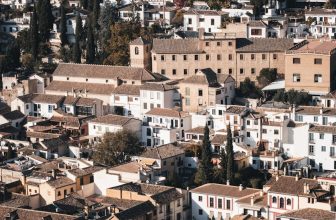
Wandering through the cobbled streets of the Casco Viejo (Old Town) reveals centuries of history, from ancient churches to lively pintxos bars. The air here often carries the savory aromas of grilled seafood and the murmur of animated conversations. The contrast between this historic heart and the gleaming modernity of the Guggenheim is what makes Bilbao so compelling.
The Nervión River, once a symbol of heavy industry, now flows serenely, reflecting the shimmering titanium curves of the museum and the elegant arches of bridges like the Zubizuri. This transformation is palpable, offering visitors a unique perspective on urban renewal and cultural renaissance.
2026 Logistics & Essentials
Planning your trip to Bilbao in 2026 involves a few key considerations to ensure a smooth and enjoyable experience.
Visas and Entry Requirements
For citizens of the European Union, Spain is part of the Schengen Area, meaning no visa is typically required for short stays. For travelers from other countries, it’s essential to check the latest visa regulations for Spain. As of 2026, it is anticipated that ETIAS (European Travel Information and Authorisation System) will be in effect for visa-exempt non-EU citizens. Be sure to visit the official Spanish government or EU immigration websites for the most up-to-date information well in advance of your travel dates.
Currency and Payment Methods
The official currency in Bilbao, and throughout Spain, is the Euro (€). Credit and debit cards are widely accepted in most hotels, restaurants, and shops. However, it is always a good idea to carry some cash for smaller establishments, local markets, or spontaneous purchases. ATMs are readily available throughout the city for cash withdrawals.
Safety and Daily Budget
Bilbao is generally a safe city with a low crime rate. Standard precautions against pickpocketing in crowded tourist areas or on public transport are advisable. The local police are visible and helpful.
| Category | Estimated Daily Cost (per person) |
|---|---|
| Budget Traveler | €70 – €100 |
| Mid-Range Traveler | €120 – €180 |
| Luxury Traveler | €250+ |
These figures are estimates and can vary based on accommodation choices, dining preferences, and the number of paid attractions visited.
Destinations & Landmarks
While the Guggenheim Museum is the undeniable centerpiece, Bilbao offers a wealth of other fascinating sites that deserve a spot on your itinerary.
Guggenheim Museum Bilbao
Designed by Frank Gehry, the Guggenheim Museum Bilbao is a masterpiece of contemporary architecture. Its swirling titanium, glass, and limestone facade is a breathtaking sight. Inside, you’ll find an impressive collection of modern and contemporary art, with rotating exhibitions that consistently draw global attention. Allow ample time to explore its diverse galleries and marvel at the building itself.

Casco Viejo (Old Town)
Step back in time as you wander through the narrow, labyrinthine streets of Bilbao’s historic heart. The Casco Viejo is a vibrant area brimming with traditional pintxos bars, artisan shops, and historical landmarks like the Santiago Cathedral and the Arriaga Theatre. The atmosphere is alive with the sounds of local chatter and the clinking of glasses.
La Ribera Market
Adjacent to the Casco Viejo, La Ribera Market is one of Europe’s largest covered markets. It’s a feast for the senses, filled with stalls selling fresh produce, seafood, meats, cheeses, and local delicacies. Upstairs, you’ll find a lively food hall offering a wide array of pintxos and drinks – a perfect spot to sample local flavors.
Doña Casilda Iturrizar Park
Escape the urban bustle in this beautiful, expansive park. Featuring manicured gardens, tranquil ponds, and a variety of trees, it’s an ideal place for a leisurely stroll or a relaxing picnic. You might even spot some of its resident peacocks strutting proudly.
Zubizuri Bridge
Designed by Santiago Calatrava, the Zubizuri Bridge is a striking pedestrian bridge that spans the Nervión River. Its elegant white arch and glass-paved walkway make it a popular spot for photographs, especially at sunset when its lights illuminate the water.
Seasonal & Cultural Calendar (2026)
Bilbao’s cultural calendar offers distinct experiences throughout the year, influenced by its maritime climate and Basque traditions.
Spring (April – May)
Highlight: Pleasant temperatures, blooming gardens, and a general sense of renewal. It’s an ideal time for outdoor exploration before the summer heat. The city awakens with outdoor cafes and a gentle buzz.
Events: While major festivals are less common, local celebrations and smaller cultural events often take place.
Weather: Mild, with average temperatures ranging from 10-20°C (50-68°F). Expect occasional rain showers.
Summer (June – August)
Highlight: Warmest weather and lively atmosphere. Bilbao hosts several festivals and events during these months, drawing larger crowds.
Events: Aste Nagusia (Big Week), Bilbao’s main festival, typically held in August, is a spectacular celebration with concerts, fireworks, and traditional Basque activities.
Weather: Warm and generally dry, with temperatures between 20-28°C (68-82°F). Humidity can be noticeable.
Autumn (September – October)
Highlight: Often considered the best time to visit. The crowds thin out, the weather remains agreeable, and the autumn foliage adds a beautiful hue to the parks and surrounding hills.
Events: The city continues to host cultural events and exhibitions, offering a more relaxed pace.
Weather: Mild and often sunny, with temperatures from 15-25°C (59-77°F). Rainfall increases towards the end of October.
Winter (November – March)
Highlight: Fewer tourists, lower prices, and a cozy atmosphere, especially around the holiday season. It’s a good time to focus on museums and indoor dining experiences.
Events: Christmas markets and New Year’s celebrations add a festive spirit. The Guggenheim often hosts significant winter exhibitions.
Weather: Cool and damp, with temperatures averaging 5-15°C (41-59°F). Rain is frequent.
Local Culture & Dining
Bilbao’s soul is deeply connected to its Basque identity, a culture rich in tradition, community, and an unparalleled love for food.
The Pintxos Experience
To truly understand Bilbao, you must dive into its pintxos culture. These are not mere tapas; they are miniature works of art, often served on a small slice of bread and held together with a toothpick. From fresh seafood creations to intricate meat dishes and innovative vegetarian options, the variety is astounding. Each bar has its own specialties, encouraging a bar-hopping adventure known as a ‘txikiteo’.
Must-Try Dishes
Beyond pintxos, be sure to sample Bacalao al Pil-Pil (cod cooked in olive oil with garlic and chili), Marmitako (a hearty tuna and potato stew, especially popular in autumn), and Txangurro a la Donostiarra (baked spider crab). For dessert, Goxua, a layered cream and sponge cake, is a delightful treat.
Sensory Immersion
The soundscape of Bilbao is a melodic blend of the gentle lapping of the Nervión, the lively chatter spilling from pintxos bars, and the occasional clang of a tram bell. The air, especially near the coast, carries a subtle salty tang, mingling with the rich aromas of grilled meats, baked bread, and the distinctive scent of aged cider. Visually, the city is a dynamic interplay of the weathered stone of the old town and the shimmering, futuristic forms of its modern architecture.
Etiquette
Basques are known for their directness and pride in their heritage. Showing respect for local customs is appreciated. When ordering pintxos, it’s common to stand at the bar and point to what you’d like. Tipping is not as ingrained as in some other countries; a small tip for exceptional service is sufficient. Learning a few basic Basque or Spanish phrases will always be met with warmth.
Survival & Insider Tips
Navigate Bilbao like a local with these insider tips, designed to enhance your experience and help you avoid common pitfalls.
Avoid Tourist Traps
While popular, some restaurants in the immediate vicinity of major attractions can be overpriced and offer lower quality. Venture a few blocks away into the Casco Viejo or the Ensanche district for more authentic and reasonably priced culinary experiences.
Embrace Public Transport
Bilbao boasts an efficient and clean public transportation system, including trams, buses, and a metro. Purchase a rechargeable Barik card for easy travel and cost savings across different modes of transport.
Neighborhoods to Explore
Beyond the Casco Viejo and the Guggenheim area, consider exploring the Ensanche district for its elegant architecture and upscale shopping, or the Deusto neighborhood for a more local feel.


Mistakes to Avoid
Don’t underestimate the amount of walking involved. Bilbao is a city best explored on foot, so comfortable shoes are non-negotiable. Also, don’t be afraid to venture off the main tourist paths; some of the city’s greatest charms lie in its hidden squares and local bars.
Hidden Gems
Seek out the Begoña Basilica for stunning views and impressive architecture, or take a trip up the Artxanda Funicular for panoramic vistas of the city and its transformation. For a unique cultural experience, visit the Basque Museum (Euskal Museoa) to delve deeper into the region’s history and traditions.
Budget and Costs Analysis
Bilbao offers a range of experiences to suit different budgets, from economical to luxurious.
Accommodation
Hostels and budget guesthouses can be found for €30-€70 per night. Mid-range hotels typically range from €80-€150, while luxury options can exceed €200 per night. Booking in advance, especially during peak season, is highly recommended.
Dining
A full meal at a mid-range restaurant might cost €25-€40 per person. Pintxos, when enjoyed at several bars, can add up, but a selection of 3-4 pintxos with a drink can cost around €10-€15. Budget-friendly options include market stalls and simpler local eateries.
Attractions
Admission to the Guggenheim Museum Bilbao is around €15-€18. Many other attractions, such as parks and walking tours of the old town, are free or low-cost. Consider purchasing a Bilbao Vizcaya Card for discounts on attractions and public transport if you plan to visit multiple sites.
Transportation
Public transport is affordable. A single tram ticket might cost around €1.50. Daily passes or the rechargeable Barik card offer better value for frequent travel.
Essential Tools for Your Trip
Equipping yourself with the right tools can significantly enhance your Bilbao adventure.
- Comfortable Walking Shoes: Essential for exploring the city’s varied terrain.
- Waterproof Jacket/Umbrella: The Basque Country is known for its unpredictable weather, even in summer.
- Portable Power Bank: To keep your devices charged for navigation and capturing memories.
- Phrasebook/Translation App: While many locals speak English, knowing some Spanish or Basque phrases is always helpful.
- Reusable Water Bottle: Stay hydrated and reduce plastic waste. Tap water in Bilbao is safe to drink.
- Small Backpack: For carrying essentials, souvenirs, and your daily purchases.
The Art of Basque Interaction: Dos and Don’ts
Engaging with the local culture enriches any travel experience. Here are some tips for interacting with the people of Bilbao.
- DO: Learn a few basic phrases in Spanish or Basque (Euskara). “Kaixo” (hello) and “Eskerrik asko” (thank you) in Basque, or “Hola” and “Gracias” in Spanish, go a long way.
- DO: Be patient when ordering pintxos. It’s a social ritual; engage with the bar staff and enjoy the process.
- DON’T: Interrupt conversations. Basques value their dialogue and can be quite passionate when discussing topics they care about.
- DON’T: Be overly loud or disruptive, especially in residential areas or smaller bars.
- DO: Show genuine interest in Basque culture and history. Ask questions respectfully, and you’ll often find locals eager to share their heritage.
Frequently Asked Questions
What is the best way to get from Bilbao Airport to the city center?
The most convenient options are the Bizkaibus A3247 shuttle, which runs frequently and directly to the city center, or a taxi. The tram is also an option but requires a change.
Is it worth visiting the Guggenheim Museum if I’m not an art expert?
Absolutely. The museum’s architecture is a masterpiece in itself, and its exhibitions often showcase visually stunning and thought-provoking works that appeal to a broad audience, regardless of art expertise.
What are the busiest times to visit Bilbao?
The peak tourist season is during the summer months (July-August), especially during Aste Nagusia. Spring and autumn offer a good balance of pleasant weather and fewer crowds.
Can I drink the tap water in Bilbao?
Yes, tap water in Bilbao is safe to drink. It is of high quality and regularly tested.
What is the best way to experience the local food scene?
The best way is to explore the pintxos bars, especially in the Casco Viejo. Try a variety of them, and don’t be afraid to ask locals for recommendations.
Ready to Discover Bilbao?
Are you prepared to immerse yourself in the architectural wonders, rich culture, and vibrant culinary scene of Bilbao in 2026?