
Best time to visit: Spring (April-May) and Autumn (September-October) offer pleasant weather and fewer crowds for exploring the Alhambra Palace.
Top 2026 highlight: Witness the intricate Nasrid Palaces in their full glory, bathed in the soft light of early morning or late afternoon.
Identity Card (Contextual):
- City: Granada, Andalusia
- Weather: Mediterranean climate; warm, dry summers and mild winters. Spring and autumn are ideal.
- Gear: Comfortable walking shoes are essential. A light jacket for cooler evenings, sun protection (hat, sunscreen) for daytime exploration.
- Sensory vibe: A tapestry of Islamic architecture, Moorish gardens, echoing fountains, and breathtaking views over Granada.
Alhambra Palace: Your Essential 2026 Master Guide to Granada’s Crown Jewel
The Alhambra Palace, a breathtaking testament to Moorish architecture and artistry, stands as Granada’s most iconic landmark. Perched atop al-Sabika hill, overlooking the city and the snow-capped Sierra Nevada mountains, this UNESCO World Heritage site whispers tales of sultans, poets, and centuries of rich history. From its intricately carved stucco walls and vibrant tiled mosaics to the serene beauty of its Generalife gardens, the Alhambra offers an immersive journey into a bygone era. Exploring its palaces, courtyards, and fortifications is not merely sightseeing; it’s an experience that engages all the senses, leaving an indelible mark on every visitor. Prepare to be captivated by the sheer scale and exquisite detail of this Andalusian masterpiece.

2026 Logistics & Essentials for Your Alhambra Visit
Planning your pilgrimage to the Alhambra in 2026 requires a strategic approach to ensure a seamless and enriching experience. Understanding the logistical nuances will allow you to focus on the sheer wonder of the site.
Visas and Entry Requirements
For travelers from many countries outside the EU, Spain, as part of the Schengen Area, may require a Schengen visa. However, with the upcoming implementation of ETIAS (European Travel Information and Authorisation System) and EES (Entry/Exit System) for visa-exempt travelers, it is crucial to verify the latest entry requirements well in advance of your trip. These systems aim to streamline border control, but staying updated on their specific implications for your nationality is paramount. Always consult the official Spanish government or EU immigration websites for the most current and accurate information regarding visa policies and entry procedures for 2026.
Currency and Payment Methods
Spain’s official currency is the Euro (€). While credit and debit cards are widely accepted in hotels, restaurants, and shops, carrying some cash is advisable for smaller purchases, local markets, or in more remote areas. ATMs are readily available throughout Granada. It’s a good practice to inform your bank about your travel dates to avoid any issues with card usage abroad. For budgeting, understanding the typical costs for attractions, dining, and transport will be beneficial.
Safety and Daily Budget
Granada is generally a safe city, but like any tourist destination, petty theft can occur, particularly in crowded areas. It’s wise to be aware of your surroundings and keep valuables secure. Pickpocketing can be a concern in busy tourist spots and on public transport. Always be vigilant and trust your instincts. The daily budget for visiting the Alhambra and exploring Granada can vary significantly based on your travel style. Here’s a general estimate for 2026:
| Category | Estimated Daily Cost (per person) |
|---|---|
| Accommodation (Mid-range hotel) | €80 – €150 |
| Alhambra Ticket (General Admission) | €14 – €20 (book in advance!) |
| Food (Mix of dining out and casual bites) | €40 – €70 |
| Local Transport/Taxis | €10 – €25 |
| Miscellaneous (Souvenirs, snacks) | €20 – €40 |
| Total Estimated Daily Budget | €164 – €305 |
These figures are estimates and can be adjusted based on personal preferences and travel choices.
Must-See Destinations & Landmarks within the Alhambra Complex
The Alhambra is not a single building but a sprawling complex encompassing palaces, fortresses, and gardens. Each section offers a unique glimpse into its multifaceted history and architectural brilliance.
The Nasrid Palaces
The undisputed heart of the Alhambra, the Nasrid Palaces, are an absolute marvel of Islamic art and architecture. These were the royal residences of the Nasrid rulers, and their design is intended to evoke paradise on Earth. You’ll wander through the Court of the Myrtles, with its tranquil reflecting pool mirroring the Comares Tower, and then enter the breathtaking Court of the Lions, famous for its central fountain supported by twelve marble lions. The intricate stucco work, geometric tile patterns (azulejos), and delicate muqarnas (stalactite vaulting) are simply astounding. Booking tickets well in advance is essential, as access to the Nasrid Palaces is time-slotted to preserve their delicate beauty.
The Alcazaba
This is the oldest part of the Alhambra, a formidable military fortress that once protected the palatine city. Walking through the Alcazaba offers a dramatic contrast to the refined elegance of the Nasrid Palaces. Climb the Watch Towers, such as the Torre de la Vela (Tower of the Watch), for panoramic vistas of Granada, the Albaicín district, and the surrounding countryside. The sheer scale of the ramparts and the strategic positioning highlight the defensive prowess of the Nasrid dynasty.
The Generalife
Meaning “Architect’s Garden” in Arabic, the Generalife was the summer palace and country estate of the Nasrid rulers. It is a sanctuary of peace and beauty, renowned for its stunning water features and lush gardens. The Patio de la Acequia (Court of the Water Channel) is its most famous courtyard, with long reflecting pools flanked by fountains and manicured hedges. The scent of roses and jasmine fills the air, and the gentle sound of trickling water creates a serene atmosphere. The gardens cascade down the hillside, offering different perspectives and tranquil nooks.
The Palace of Charles V
A striking contrast to the Moorish architecture, this Renaissance palace was commissioned by Emperor Charles V. Its imposing square exterior and grand circular courtyard, designed by Pedro Machuca, stand as a symbol of Christian rule after the Reconquista. While architecturally significant and housing the Alhambra Museum and the Museum of Fine Arts, it offers a different historical layer to the complex, representing a significant shift in Granada’s cultural and political landscape.
The Partal Gardens and Palace
The Partal is one of the earliest remaining palatial areas of the Alhambra, featuring a beautiful portico overlooking a large rectangular pond. The surrounding gardens are exquisite, offering a more intimate and less crowded experience than other parts of the complex. It’s a perfect spot for quiet contemplation and appreciating the harmonious blend of architecture and nature that defines the Alhambra.

Seasonal & Cultural Calendar for 2026
The Alhambra’s allure changes with the seasons, each offering a unique ambiance. Planning your visit around specific months can enhance your appreciation of its beauty and the surrounding city.
Best Months to Visit
Spring (April – May): This is arguably the most magical time to visit. The gardens of the Generalife are in full bloom, the weather is pleasantly warm and sunny, and the crowds are manageable before the peak summer season. Expect temperatures around 18-24°C (64-75°F).
Autumn (September – October): Similar to spring, autumn offers a delightful climate with mild temperatures (17-23°C / 63-73°F) and beautiful light for photography. The autumn colors begin to appear in the gardens, adding another layer of charm. The crowds are also significantly reduced after the summer holidays.
Summer (June – August): While warm and sunny (often exceeding 30°C / 86°F), summer brings the largest crowds. Visits in the early morning or late afternoon can mitigate the heat and the busiest periods. The long daylight hours allow for extended exploration.
Winter (November – March): Winter offers a more serene experience with fewer tourists. Temperatures are cooler, ranging from 5-15°C (41-59°F). While the gardens may not be in full bloom, the crisp air and dramatic skies can offer a different kind of beauty. It’s also the most budget-friendly time to visit.
Major Events in Granada (2026)
While not directly within the Alhambra, surrounding events can enrich your visit to Granada:
- Semana Santa (Holy Week): Typically in March or April, this is a deeply spiritual and visually stunning event with elaborate processions throughout the city.
- Festival Internacional de Música y Danza de Granada (Granada Music and Dance Festival): Usually held in June and July, this festival features world-class performances in various historical venues, including sometimes within the Alhambra complex itself.
- Corpus Christi: Celebrated in late May or early June, this is another major religious festival with parades, traditional dancing, and lively street celebrations.
Local Culture & Dining: A Sensory Journey
Granada’s culture is a vibrant blend of its Moorish, Jewish, and Christian heritage. This rich history is reflected in its distinctive cuisine, music, and daily rhythms.
Tapas Culture
Granada is famous for its free tapas culture. When you order a drink at many bars, you’ll receive a small, complimentary dish of food. This is an integral part of the social fabric, encouraging people to move from bar to bar, sampling different flavors and engaging in conversation. Embrace the experience and let the tapas guide you through the evening.
Must-Try Dishes
Beyond tapas, indulge in:
- Habas con jamón: Broad beans with cured ham, a simple yet delicious classic.
- Tortilla del Sacromonte: A local omelet often made with offal (brain and testicles), a daring but traditional dish for the adventurous.
- Piononos: Small, sweet sponge cakes rolled up and topped with cream, a delightful local pastry from the nearby town of Santa Fe, but widely available and loved in Granada.
- Remojón Granadino: A refreshing salad typically made with cod, oranges, onions, olives, and hard-boiled eggs.
Sensory Atmosphere
The sounds of Granada are a symphony of life: the distant strumming of a flamenco guitar, the cheerful chatter spilling from tapas bars, the murmur of fountains in hidden courtyards, and the call to prayer echoing from minarets in the Albaicín. The air carries the scent of orange blossoms in spring, roasted almonds from street vendors, and the subtle aroma of spices from Moorish-influenced kitchens. Visually, the city is a feast of whitewashed walls, vibrant bougainvillea, and the dazzling white of the Alhambra against the deep blue sky.
Etiquette and Local Customs
Spaniards are generally warm and hospitable. Greetings often involve a handshake, and among friends or family, two kisses on the cheek (starting with the right). Mealtimes are later than in many other cultures; lunch is typically between 2-4 PM and dinner from 9-11 PM. When invited to someone’s home, it’s customary to bring a small gift, such as a bottle of wine or pastries. Tipping is not obligatory but appreciated for good service, usually around 5-10% in restaurants.
Survival & Insider Tips for an Unforgettable Visit
Navigating the Alhambra and Granada like a seasoned traveler requires a few insider insights to avoid common pitfalls and uncover its hidden treasures.
Avoiding Scams and Tourist Traps
Be wary of street vendors who are overly persistent or offer unsolicited “help.” While most are harmless, a firm “no, gracias” is usually sufficient. Be cautious of common pickpocketing tactics in crowded areas. Keep your belongings secure and avoid flashing expensive items. When taking taxis, ensure the meter is running or agree on a price beforehand for longer journeys.
Exploring Key Neighborhoods
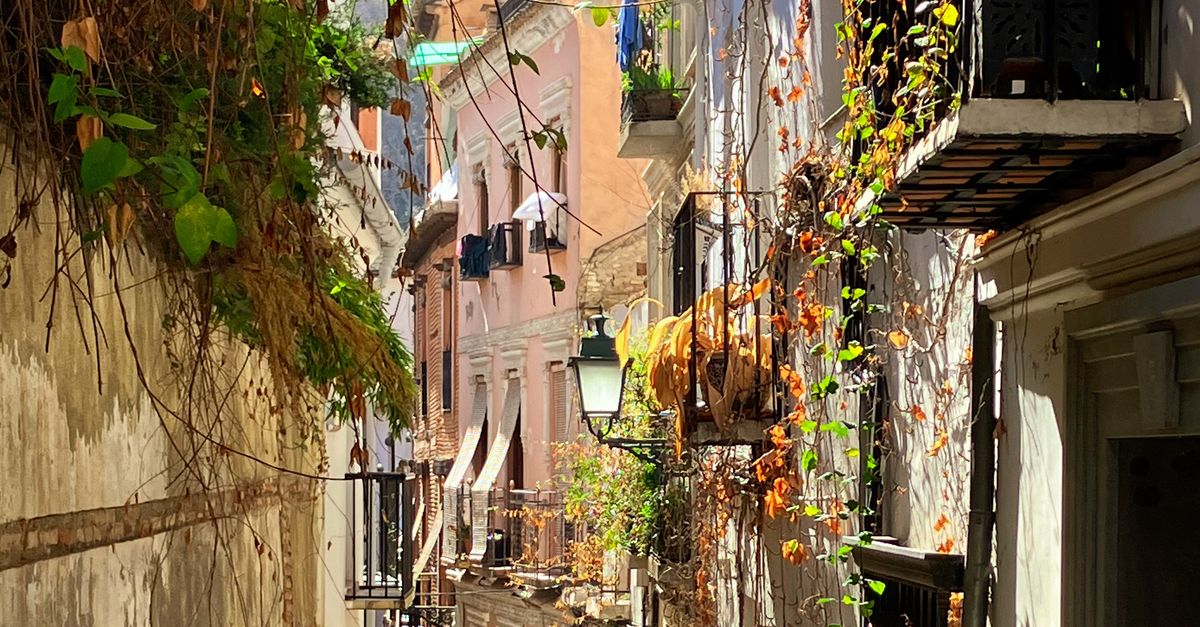
Albaicín: This historic Moorish quarter, a UNESCO World Heritage site, is a labyrinth of narrow, winding streets with stunning views of the Alhambra. Get lost in its charm, but be prepared for uphill climbs. The Mirador de San Nicolás offers iconic sunset views.
Sacromonte: Famous for its cave dwellings and flamenco heritage, Sacromonte offers a more bohemian and authentic experience. Visit one of the cave flamenco shows for a memorable evening.
Realejo: Once the Jewish quarter, Realejo is now a lively area with tapas bars, artisan shops, and a more local feel.
Common Tourist Mistakes to Avoid
- Not booking Alhambra tickets in advance: This is the most crucial mistake. Tickets, especially for the Nasrid Palaces, sell out weeks or even months ahead.
- Underestimating the walking involved: The Alhambra is vast, and Granada is hilly. Wear comfortable shoes and pace yourself.
- Trying to see it all in one day: While possible, it can be exhausting. Consider splitting your visit or focusing on key areas if time is limited.
- Eating at restaurants directly facing major attractions: These are often overpriced and of lower quality. Venture a few streets away for more authentic and affordable dining.
- Ignoring the smaller details: The beauty of the Alhambra lies in its intricate details – the tile work, the stucco carvings, the water channels. Take time to look closely.
Budget and Costs: A Financial Overview
Granada offers a range of experiences that can accommodate different budgets. By understanding the typical costs associated with visiting the Alhambra and enjoying the city, you can plan your finances effectively.
Ticket Prices and Booking
The general admission ticket for the Alhambra typically costs around €14-€20 per adult, with variations for specific tours or packages. It is absolutely essential to purchase your tickets online in advance from the official Alhambra website to avoid disappointment. Last-minute tickets are extremely rare, and queues for on-the-day sales are often lengthy and unsuccessful. Children and certain other groups may be eligible for discounts.
Dining Costs
Granada’s renowned tapas scene offers an economical way to dine. A few drinks with accompanying tapas can often substitute for a full meal. For more formal dining, expect to pay between €15-€30 for a main course in a mid-range restaurant. Set lunch menus (menú del día) are excellent value, often costing between €10-€15 and including a starter, main, dessert, and drink.
Transportation Costs
Getting to the Alhambra from the city center can be done by walking (a pleasant but uphill trek), taking a local bus (al-bustür), or a taxi. Bus tickets are inexpensive, typically around €1.50. Taxi fares will vary depending on distance and time of day but are a convenient option for reaching the entrance efficiently.
Hidden Gems and Off-the-Beaten-Path Experiences
Beyond the main attractions, Granada holds many delightful surprises for those willing to explore a little deeper.
- Carmen de los Mártires: Tucked away near the Alhambra, these gardens offer a peaceful escape with stunning views and a unique history.
- The Bañuelo: One of the best-preserved Arab baths in Spain, located in the Albaicín, offering a glimpse into daily Moorish life.
- Calle Elvira: This street, running from Plaza Nueva into the Albaicín, is lined with tea houses (teterías) offering a taste of Moroccan culture and a relaxing atmosphere.
- The Labyrinth of the Albaicín: Spend hours simply wandering the maze-like streets, discovering hidden plazas, ancient doorways, and unexpected vistas.
Comparison Table: Best Times to Visit the Alhambra
| Season | Pros | Cons | Average Temperature | Crowd Level |
|---|---|---|---|---|
| Spring (Apr-May) | Beautiful gardens, pleasant weather, moderate crowds. | Can be unpredictable weather; booking essential. | 18-24°C (64-75°F) | Moderate |
| Summer (Jun-Aug) | Long daylight hours, vibrant atmosphere. | Very hot, largest crowds, highest prices. | 30°C+ (86°F+) | High |
| Autumn (Sep-Oct) | Mild weather, beautiful light, fewer crowds. | Shorter days than summer; booking essential. | 17-23°C (63-73°F) | Moderate |
| Winter (Nov-Mar) | Fewest crowds, peaceful atmosphere, lower prices. | Cooler weather, gardens less vibrant, shorter days. | 5-15°C (41-59°F) | Low |
Frequently Asked Questions (FAQ)
What is the best time of day to visit the Alhambra?
The best times to visit the Alhambra for pleasant weather and fewer crowds are early morning (right after opening) or late afternoon. This also provides the most beautiful light for photography, especially for the Nasrid Palaces.
How long does it take to visit the Alhambra?
To fully appreciate the Alhambra complex, including the Nasrid Palaces, Alcazaba, and Generalife, you should allocate at least 3 to 4 hours. Some visitors prefer to spend an entire day to explore more leisurely and absorb the atmosphere.
Can I bring food and drinks into the Alhambra?
You can bring water and small snacks, but large picnics or meals are generally not permitted inside the ticketed areas of the Alhambra. There are cafes and restaurants within the complex where you can purchase refreshments.
Is the Alhambra accessible for people with mobility issues?
The Alhambra has implemented accessibility measures, but due to its historic nature and terrain, some areas can be challenging. There are accessible routes and specific entrances for visitors with reduced mobility. It’s advisable to check the official Alhambra website for detailed accessibility information and to contact them in advance if you have specific needs.
What is the difference between General Admission and Nasrid Palaces tickets?
General Admission tickets grant access to the entire Alhambra complex, including the Alcazaba, Generalife, Palace of Charles V, and surrounding areas. However, access to the highly sensitive Nasrid Palaces is time-slotted and requires a specific entry time on your ticket. Ensure your ticket includes access to the Nasrid Palaces if this is a priority.